

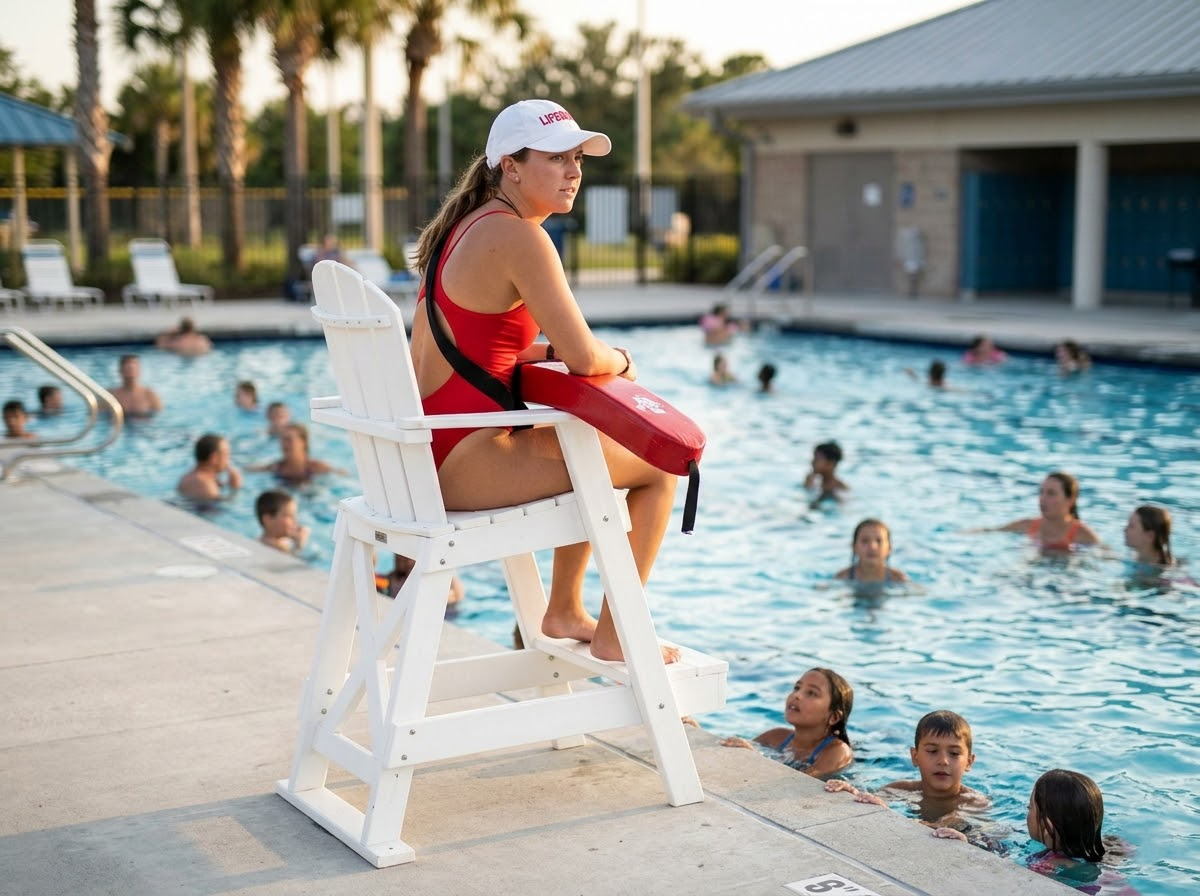
When wondering what is a lifeguard, many people picture dramatic water rescues from television shows. However, the reality of the job looks very different.
While rescues do happen, a good day for these professionals is actually a very quiet day. Their main goal is preventing accidents before they start.
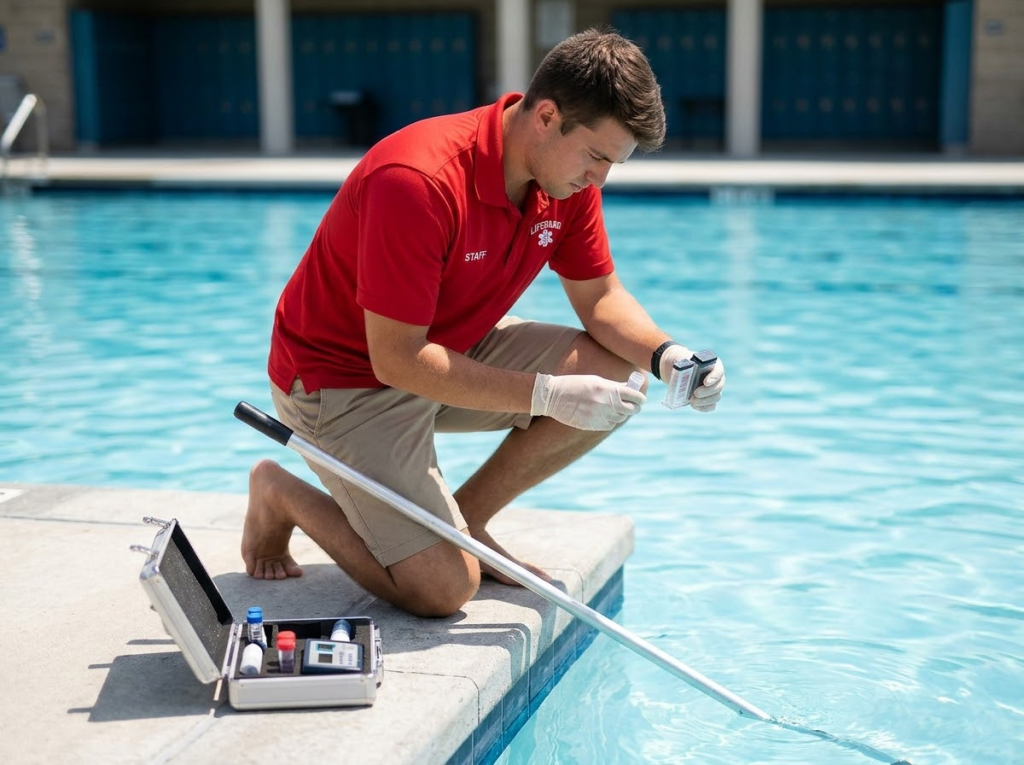
Here is a detailed look at what they do during a normal shift:
To keep swimmers safe, these professionals must develop a specific set of physical abilities. The standards in Singapore are very high and require dedicated practice. It takes much more than just knowing how to float comfortably.
Here are the main physical and mental skills required for the job:
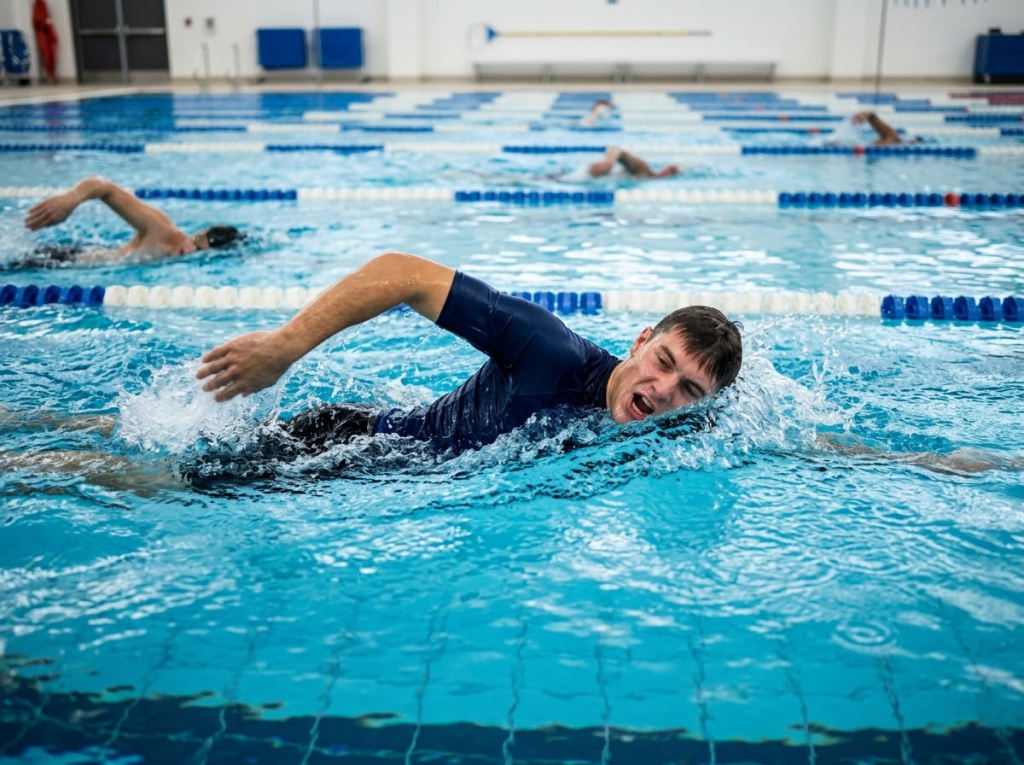
A professional rescuer must be a very fast and confident swimmer. Before they even start their advanced training, candidates usually need to prove their fitness level. The benchmark often involves swimming 400 meters continuously in under 12 minutes using recognized strokes like the front crawl or breaststroke.
They need the stamina to tread water for at least two minutes without holding onto the side of the pool. Furthermore, they must be able to perform a surface dive to the bottom of a deep pool to retrieve a heavy object from a depth of 1.5 to 1.8 meters. They use equipment like rescue tubes to help them float, but they still need raw physical strength to pull heavy individuals out of the water.
Staring at moving water for hours is very tiring for the eyes and the brain. The glare from the sun makes this even harder. However, they must stay completely awake and alert during their entire shift. A great worker spots a small problem, like a dropped pair of goggles on the floor, before someone steps on them and gets hurt. They learn how to fight off boredom and stay engaged with their surroundings.
This skill is vital when an emergency happens. They talk to people all day long. They give clear instructions to children and explain safety rules to adults who might be upset. They must also be able to communicate clearly with paramedics, giving them exact details about a patient’s breathing and heart rate.
When an accident happens, crowds often panic. The person in the tall chair must command authority and respect. They take charge of the situation immediately. A strong leader directs the rescue effort smoothly and keeps everyone around the pool calm.
They talk to people all day long. They give clear instructions to children and explain safety rules to adults. When an accident happens, crowds often panic. The person in the tall chair must command authority and respect. They take charge of the situation immediately. A strong leader directs the rescue effort smoothly and keeps everyone around the pool calm.
You cannot just show up at a swimming complex and ask for this job. The training standards set by the local authorities are strict to ensure maximum public safety.
If you are asking what is a lifeguard required to learn, here is a breakdown of the certification process:
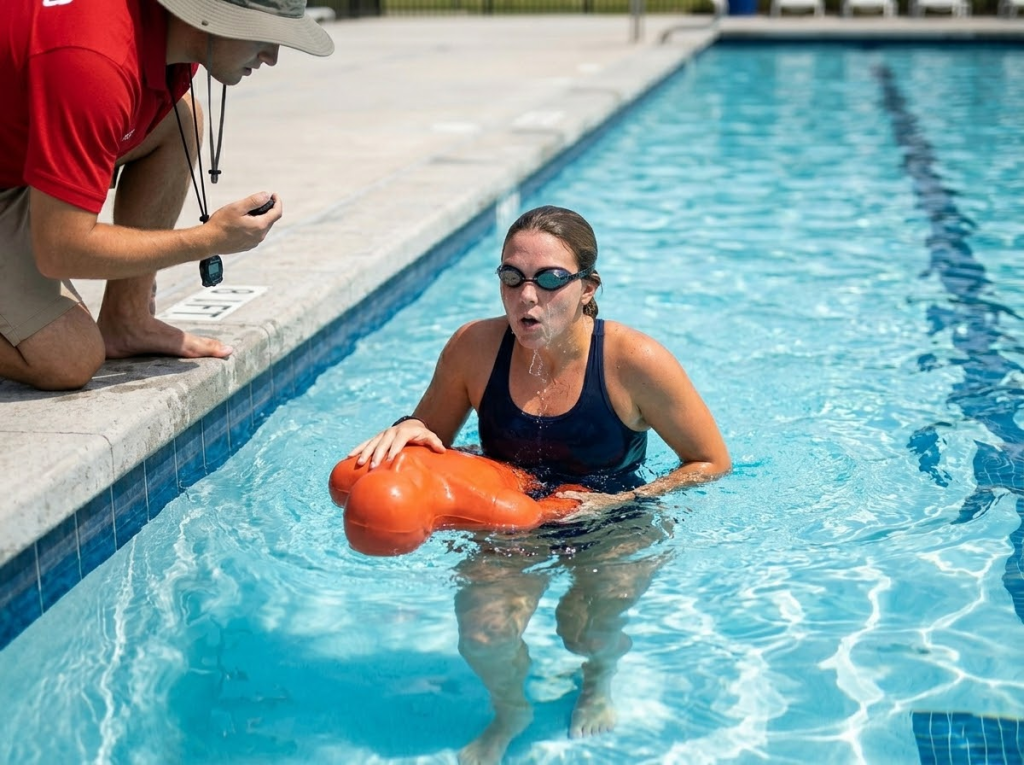
Training usually begins with basic water safety awards. The Singapore Life Saving Society provides the main framework for these courses. You must pass these early levels before moving forward.
The Bronze Medallion is the standard working qualification required to work in Singapore. This rigorous course covers advanced rescue techniques.
Every professional rescuer must hold a valid medical certification. These medical skills allow them to keep a patient alive while waiting for paramedics to arrive. Certifications like these usually require renewal every two years to keep skills fresh and updated.
These workers find jobs in a wide variety of environments across Singapore. Each location brings its own unique challenges and requires different levels of awareness.
Facilities managed by ActiveSG are very busy during school holidays and weekends. Workers here must manage large crowds and watch out for hundreds of young children at the same time. They enforce specific rules regarding proper swimwear and the safe use of flotation devices.
Many residential buildings have their own pools. The environment is usually quieter, but the safety standards remain exactly the same. Workers here often build friendly relationships with the regular residents and handle minor administrative tasks for the management office.
Exciting locations like Adventure Cove feature wave pools, lazy rivers, and fast water slides. Staff members must constantly monitor the landing zones to make sure people exit the water safely. They also control the flow of traffic at the top of the slides to prevent collisions.
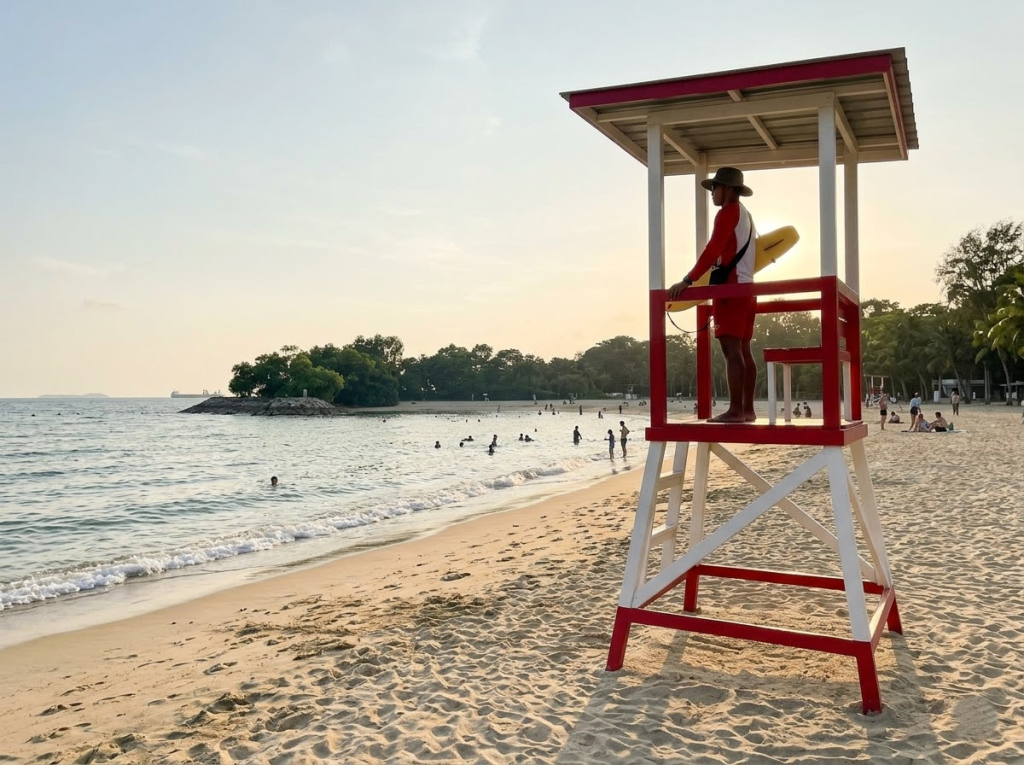
Joining the beach patrol at East Coast Park or Sentosa is very demanding physically. Beach workers face harsh sunlight, strong ocean currents, changing tides, and sometimes dangerous marine life like jellyfish. They must stay heavily hydrated and wear plenty of sunscreen to protect themselves from the intense heat.
If you want to become a professional rescuer, you can follow these simple steps to get started.
You must be physically ready to help others. Start by swimming laps regularly to build your speed and lung capacity. You can join a local swimming club to improve your stroke techniques in freestyle and breaststroke.
Find a recognized training academy and sign up for the Lifesaving 123 and Bronze Medallion courses. You will spend many hours in the classroom and in the pool practicing rescue scenarios. You must pass both written exams and physical tests under the watch of certified assessors.
Once you have your Bronze Medallion and First Aid certificates, you are ready to apply. Look for openings at local public pools, private clubs, or online job boards. Make sure to highlight your physical fitness and any customer service experience on your resume.
The skills you learn in water safety can easily lead to other rewarding jobs. If you love the pool environment, you might also enjoy these related careers.
A swim instructor teaches people of all ages how to swim safely. They work in small groups or offer private lessons. By teaching proper swimming techniques, you directly help prevent future drowning accidents. Instructors in Singapore often hold certifications from the National Registry of Coaches, Swim Schools International, or AUSTSWIM.
A pool attendant focuses heavily on customer service and facility maintenance. They work at luxury hotels, resorts, and private clubs. They set up deck chairs, hand out fresh towels, answer guest questions, and keep the pool deck looking beautiful.
Many outdoor summer camps need staff members with water safety experience. A camp counselor leads groups of children through daily activities. They organize games, supervise arts and crafts, and safely guide the children during swimming or boating sessions.
We hope this guide answers what is a lifeguard and highlights the hard work these professionals bring to water safety. If you need reliable aquatic support in Singapore, Swimwerks is ready to help. We supply highly trained safety personnel for many different locations and needs.
Our top services include:
All our team members hold recognized certifications from the Singapore Life Saving Society. Are you looking to start a career in water safety? We are always looking for passionate people to join our team. We offer fully sponsored training to help strong swimmers earn their Bronze Medallion and First Aid certificates.
Ready to secure a safe and fun environment for your swimmers?

Ariel Myat is the SEO Executive at Swimwerks Singapore, where she manages SEO and content strategy. With several years of experience in digital marketing across Southeast Asia, she has worked across SEO, paid media, and content for businesses in multiple industries. At Swimwerks, she focuses on creating content that helps people in Singapore can actually find the information they need when looking for swimming lessons for their kids and adults. Swimwerks is one of Singapore’s trusted swimming schools, with over 6 years of experience, more than 1,000 students coached, and a presence across 30 locations island-wide, from ActiveSG pools to condominiums across Singapore.


