

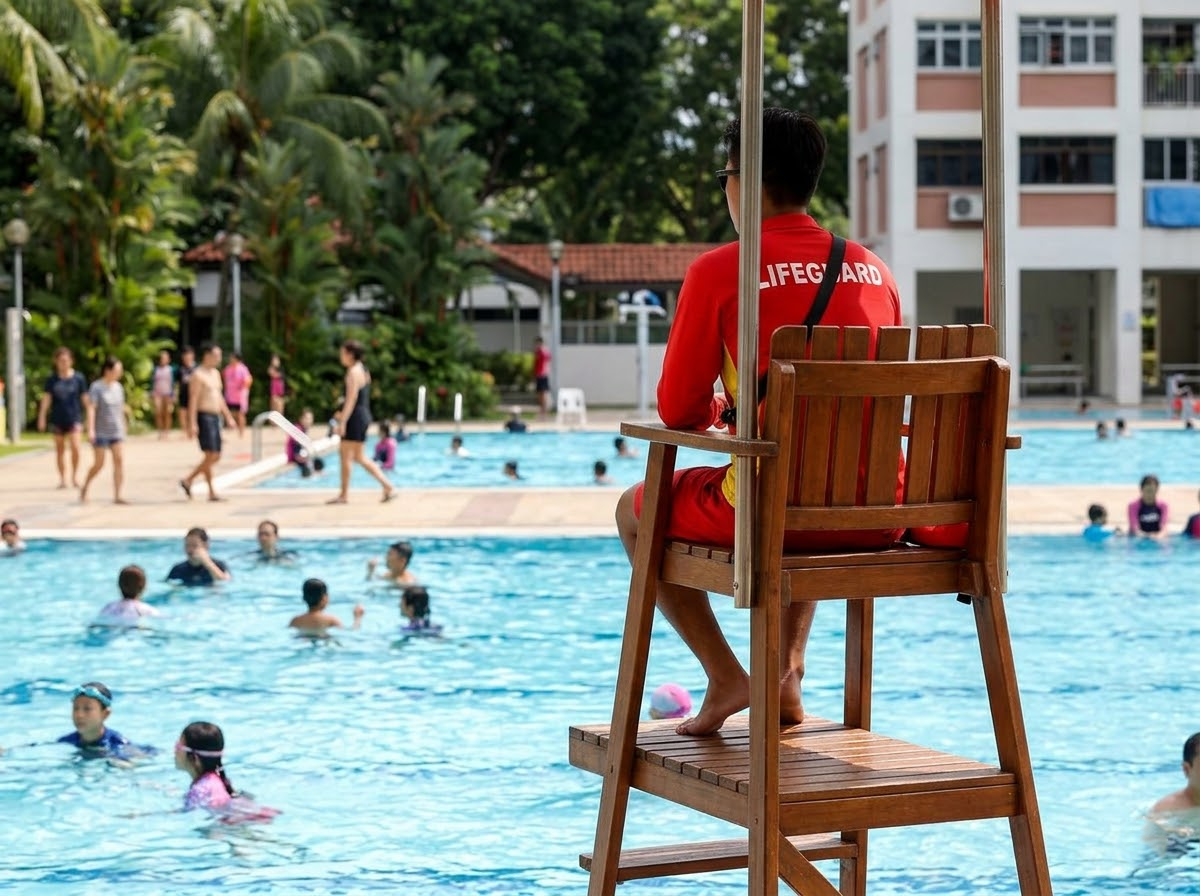
Recent salary data shows that the average pay is about SGD 2,453 per month. Other salary reports show a very similar range, with many full-time jobs offering about SGD 2,500 to SGD 2,600 per month. This means that a typical worker in this field earns roughly SGD 30,000 per year.
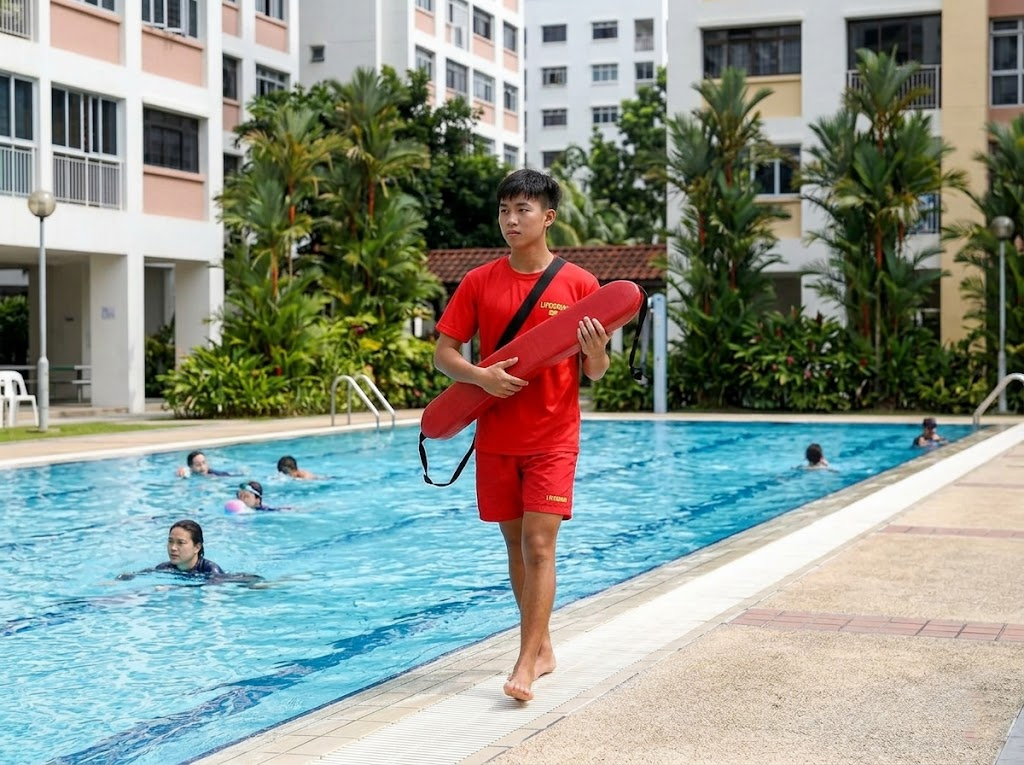
However, the exact amount you take home can vary depending on the type of facility and your previous experience in water safety.
For those who are just starting out, entry-level salaries are usually slightly lower.
New workers with basic certifications often earn around SGD 2,150 to SGD 2,705 per month. These roles often involve the direct supervision of swimming pools at private condominiums, local schools, and neighborhood recreation centres.
Entry-level staff typically handle daily tasks such as:
With more practice and formal training, entry-level workers can easily move into higher-paying positions within a year or two.
As workers gain more experience, their pay naturally increases.
Experienced professionals may earn around SGD 2,500 to SGD 3,500 per month. Higher salaries are much more common in high-end locations. These premium locations include luxury hotels, beach clubs in Sentosa, large commercial water parks, and exclusive private sports centres.
Some companies also offer much higher pay for those who supervise massive swimming facilities or manage large teams of junior staff.
For example, individuals working at major hotels in Singapore have reported average salaries of about SGD 2,425 per month, often with added employee benefits like free meals and health insurance.
Many people in Singapore work part-time or on a freelance basis. This setup is very common for polytechnic students, swimming instructors, and people who simply enjoy flexible working hours. Part-time staff are usually paid by the hour.
Typical hourly rates include:
Across the entire job market, the average hourly pay for a pool worker in Singapore is about SGD 16 to SGD 17 per hour. Freelance staff hired for private events may earn even higher hourly rates. Event-based work can sometimes pay SGD 15 to SGD 30 per hour. This higher rate depends entirely on the venue, the crowd size, and the specific risk level of the party.
Several factors influence how much a lifeguard makes in Singapore. Two people with the exact same qualifications might still earn different salaries depending on a few specific details.
Experience is one of the biggest factors affecting pay. New staff usually start with entry-level salaries. With more years on the job, they earn higher wages or move into supervisory roles where they handle scheduling and training.
Employers highly prefer candidates with recognized certifications such as the Bronze Medallion from the Singapore Life Saving Society. These certificates prove that the person has completed formal rescue training and understands aquatic safety procedures perfectly. Holding a valid CPR and Automated External Defibrillator certificate also makes a candidate much more valuable.
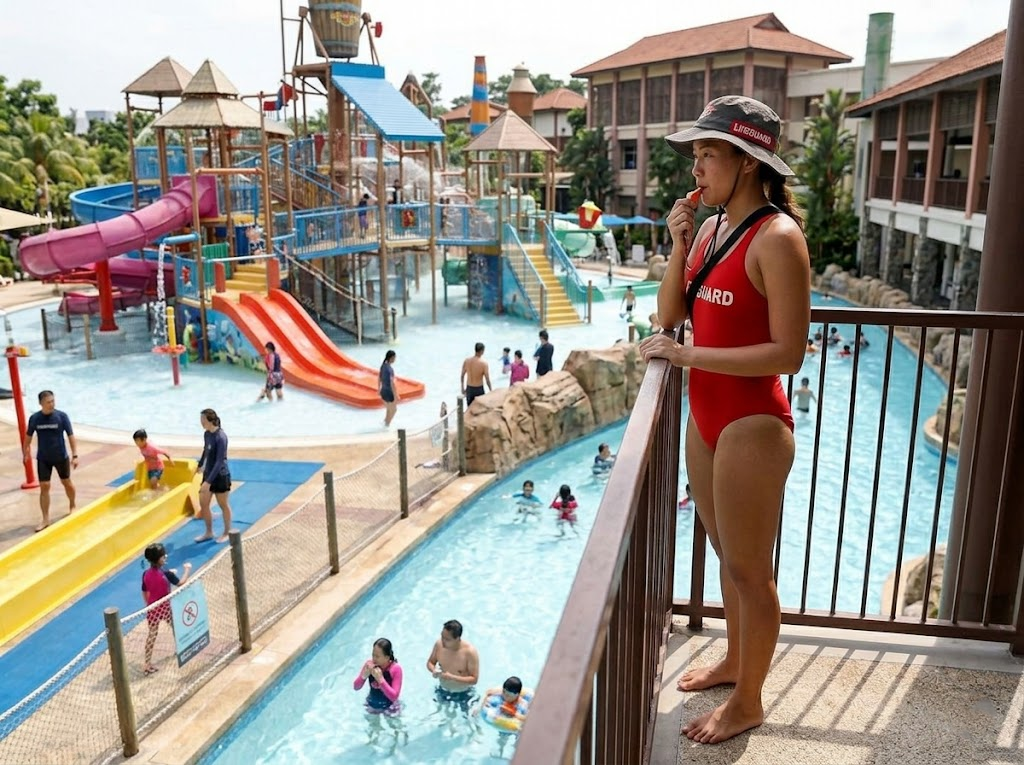
The type of workplace strongly affects salary levels. People working at luxury hotels, busy resorts, or large aquatic attractions usually earn more than those working at smaller, quiet swimming pools in residential areas.
Full-time staff usually earn a stable monthly salary with standard benefits. Part-time workers earn hourly wages that vary depending on the exact number of shifts they choose to take each week.
Some workers also take on additional roles. They might offer swim instruction, manage event supervision, or handle aquatic safety management for corporate clients. These extra responsibilities always increase total earnings.
For those considering this path as a long-term career, there are several ways to grow beyond entry-level roles. After gaining experience on the pool deck, workers may move into higher positions.
They can move into positions such as:
Many people also continue their training to obtain advanced lifesaving qualifications or official coaching certifications. These opportunities allow experienced staff to increase their earnings and expand their career options in the sports industry.
For many people, this job offers several benefits far beyond the basic salary.
First, it is a very physically active job. It involves swimming, monitoring water activities, and helping others stay safe in the sun. This keeps you fit and healthy.
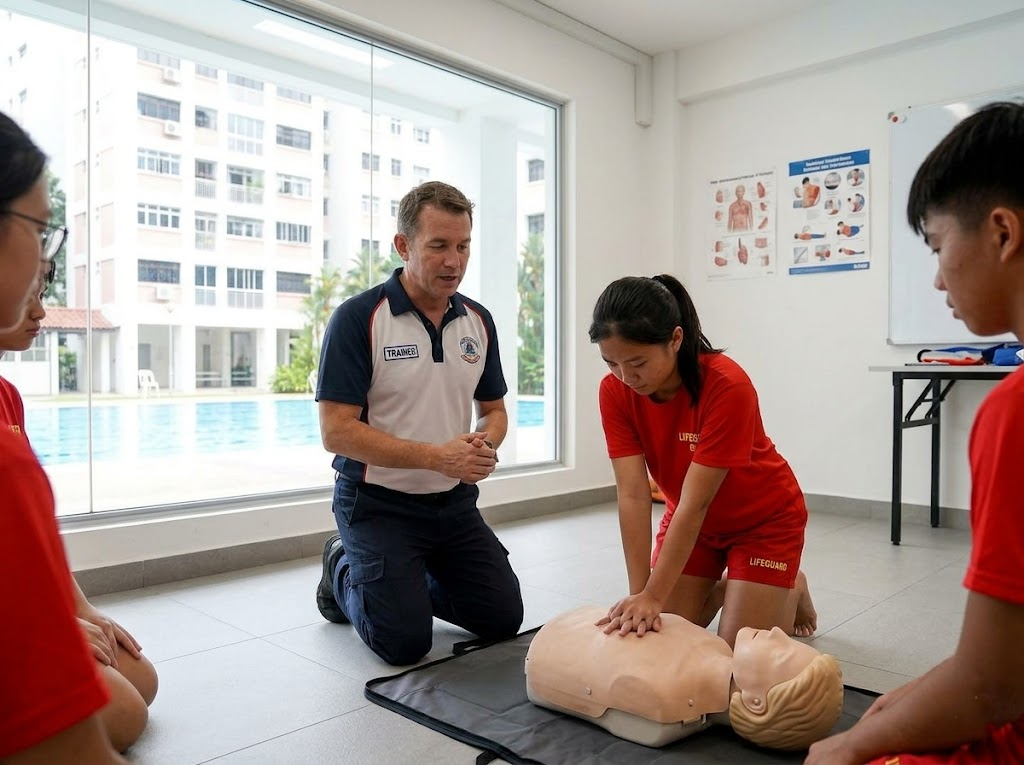
Second, the job provides highly valuable life skills. You learn advanced water rescue techniques, first aid, CPR, and fast emergency response. You also learn clear communication and strong teamwork. These skills are useful in many other careers related to sports, health, recreation, and public safety.
Finally, it serves as a wonderful stepping stone into related roles such as swimming coaching or facility management.
Now that you understand how much a lifeguard makes, you might be ready to start your journey. If you are looking for professional training or seeking a highly rewarding job in water safety, Swimwerks is here to help you succeed. We are a trusted provider of aquatic services across Singapore. We support organizations and individuals by offering top-tier training and steady employment opportunities.
Our main services include:
We even offer fully sponsored training for strong swimmers to help you earn your Bronze Medallion and First Aid certificates while you work.
Ready to dive into a great career and keep swimmers safe?
Contact Swimwerks today to learn more and apply to join our growing team!


