Swimming for Arthritis Relief: How Water Exercise Eases Joint Pain

swimming for arthritis Singapore

If you’ve noticed your knees hurting when you go down stairs or your hips feeling tight after sitting for a while, you’re not alone. Many adults in Singapore face these issues, often related to arthritis, which can make it hard to stay active. It’s a common misconception that resting is the best way to deal with arthritis, but actually, stopping movement can make things worse.

Swimming is a great option for easing joint pain. It’s not just because it’s low-impact or feels gentle. The benefits of moving in water are backed by solid research. 

Table of Contents

What water actually does to your joints

It might surprise you to learn just how much being submerged can affect the weight your joints have to support. When you’re in water up to your neck, around 90% of your body weight is lifted away, which means there’s significantly less stress on your joints, bones, and muscles. Even if you’re just in waist-deep water, you’ll find that you’re carrying only about half your body weight. To put that into perspective, if a person weighs 70 kilograms, walking in waist-deep water feels like moving with only 35 kilograms resting on their knees and hips. Additionally, when you’re deeper in the pool, that number gets even lower. The pain that can make walking or jogging on land tough to bear simply isn’t as intense when you’re in the pool.

For those dealing with osteoarthritis, exercising in water can really help by increasing blood flow and lubricating the joints. The warmth of the water also helps to relax tight muscles, which makes moving around a lot easier. If you have rheumatoid arthritis, swimming may provide anti-inflammatory benefits, as consistent exercise can help keep your immune system in check.

The real benefits of swimming for arthritis

The research on this topic is more than just stories or personal experiences; it’s backed by years of solid clinical studies. For example, a thorough review of 32 studies involving over 2,000 participants showed that working out in water can really help reduce joint pain and boost mobility and overall quality of life compared to no exercise at all.

Interestingly, it often worked even better than workouts on land for relieving pain. Another analysis of nine studies with over 600 patients found similar benefits, showing that water exercise can ease pain and enhance function more effectively than land-based workouts.

A study published in the Journal of Rheumatology revealed that regular swimming can significantly decrease joint pain and stiffness linked to osteoarthritis while also improving muscle strength in middle-aged and older adults. Plus, swimming aids cardiovascular health, helps with weight management, and enhances balance, which is crucial for preventing falls in older people.

Swimwerks perspective

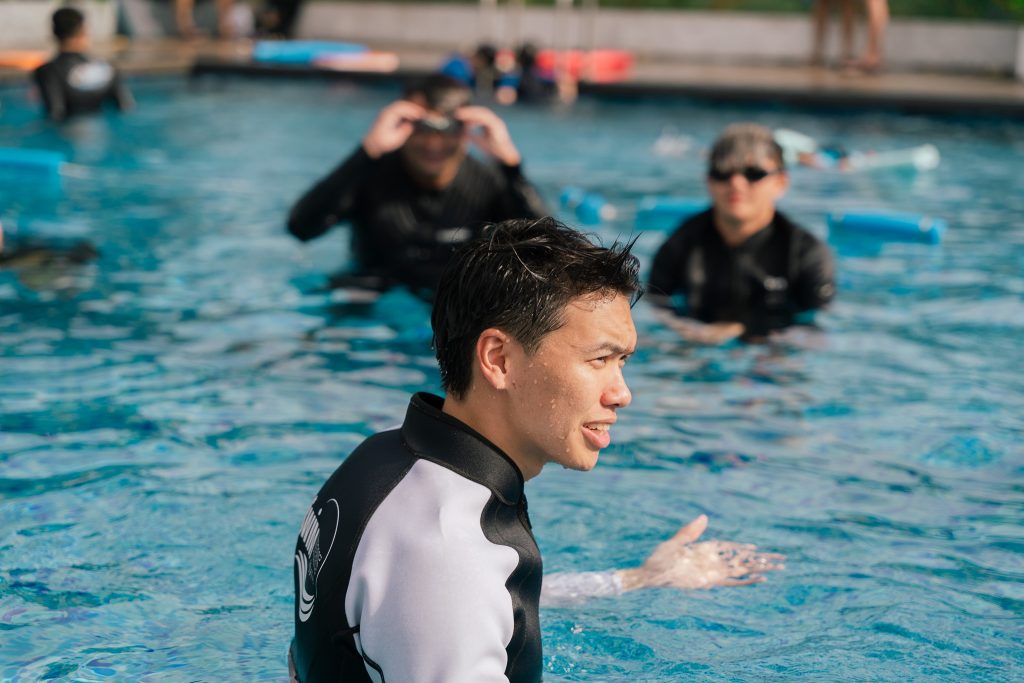
At Swimwerks, we’ve noticed a consistent trend among the adults we teach. Those who come to us dealing with arthritis or joint stiffness often say the pool becomes a special place where they finally feel like they can move freely again. This sense of ease makes a big difference in how regularly they exercise.

What strokes and exercises work best

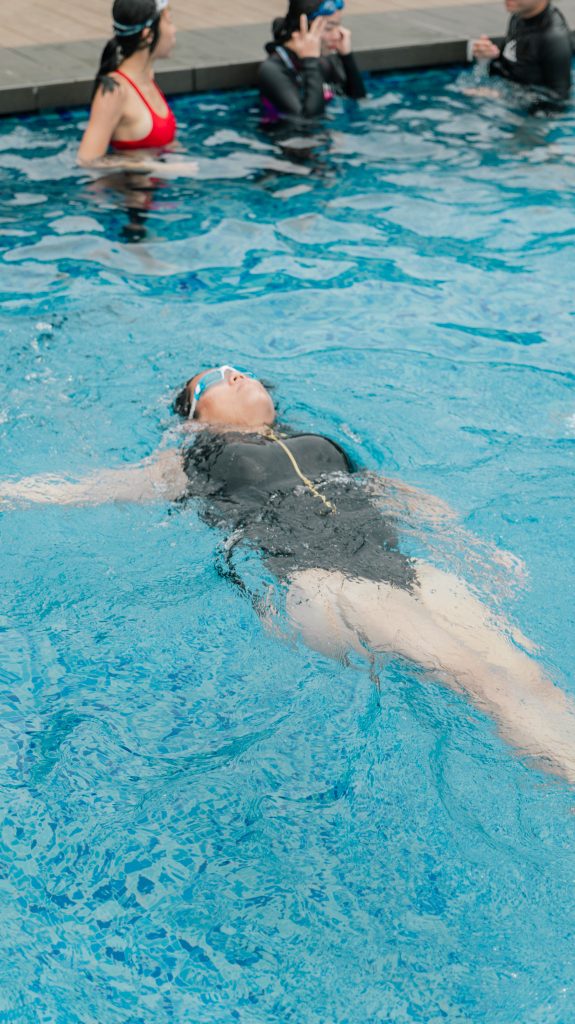
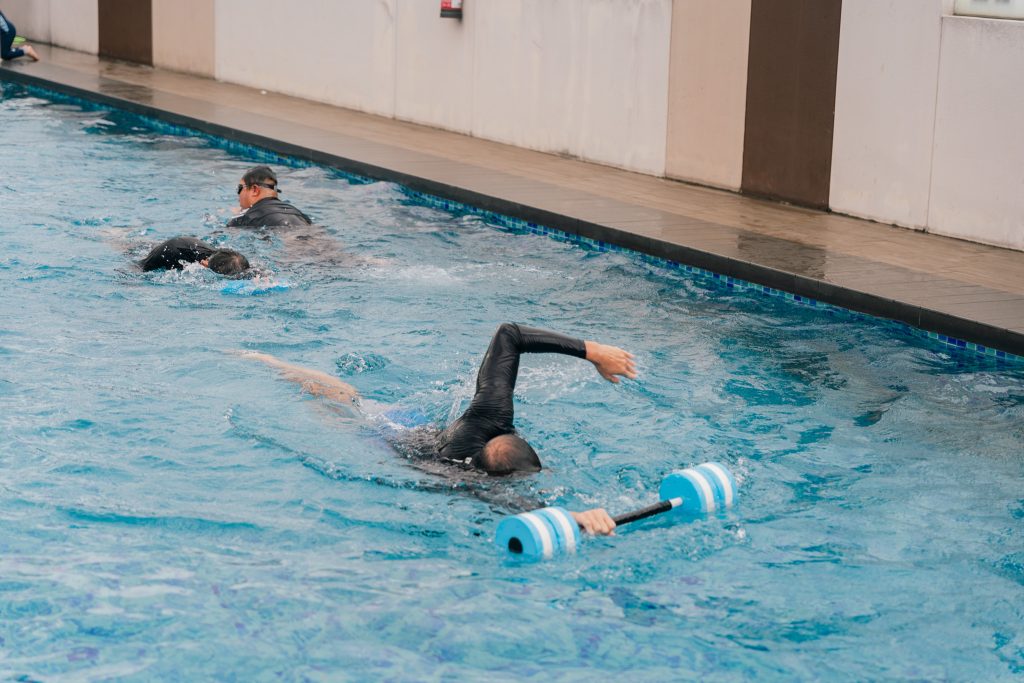
You don’t have to swim fast to see benefits, especially if you’re dealing with arthritis. Swimming styles like backstroke and freestyle are great because they keep your spine aligned while using your whole body without putting too much strain on it. Even walking or lightly jogging in the pool can help, as moving through waist-high water provides resistance that strengthens the muscles around your joints without overstressing them. Using a kickboard lets you work on leg movement and hip flexiblity without putting a load on your shoulders, which is helpful for those who have upper body issues. For stiff joints, gentle movements in the shallow end can be more beneficial than swimming laps.

Remember, it’s more about consistent, and gentle activity. Three sessions a week of 30 to 40 minutes can make a big difference over time.

Safety tips before you start

Before diving in, here are some things you might want to consider.

Check with your doctor first

It’s best to consult your doctor, especially if you’re dealing with flare-ups. Some stages of inflammatory arthritis may require you to rest instead of move around. Your doctor can help you understand where you stand in your condition.

swimming for arthritis Singapore

Choose a pool with easy entry

Many ActiveSG pools in Singapore feature ramps or wide steps, which can be a game-changer if you have limited movement in your knees or hips.

It’s important to listen to your body

Start slow and stay shallow for your first few sessions. Mild warmth or a dull ache can be normal, sharp or increasing pain is a clear sign that you need to stop.

swimming coach singapore

How Swimwerks can help

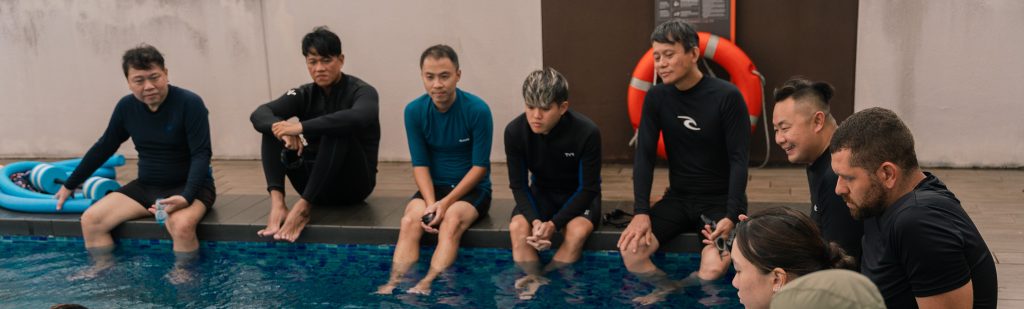
At Swimwerks, we offer a variety of adult swimming lessons aimed at those looking to get fit but also support individuals who may have been avoiding the water for years due to pain. Our coaches are adept at working with people who have chronic joint issues, making sure to adapt their teaching to each person’s needs. In our small classes of four to six, instructors can pay close attention to how you’re moving in the water.

With over 25 ActiveSG pool locations across Singapore, all featuring easy access, you can find a program that works for you, whether you’re a senior or an adult looking to improve your fitness.

If you’re interested in getting started, reach out to Swimwerks for more information about our adult swimming lessons and to find the closest pool.

Frequently Asked Questions

Is swimming safe for people with arthritis?

For most, it is! Water exercises are among the safest options. However, always check with your doctor first, especially during flare-ups.

Aiming for three sessions per week of about 30 to 40 minutes is a great start; even swimming twice a week can be beneficial. 

No worries! Water walking and gentle movements in the shallow end can also provide great benefits.

No, swimming won’t cure arthritis or fix cartilage damage, but it really helps reduce pain, increases mobility, and allows you to stay active with less discomfort.

If you’re a caregiver for an elderly parent and want to get them started, please reach out to Swimwerks. We can help you find the most accessible pool and explain what their first session will look like, especially for those with physical limitations.

Enquiry Form