In Singapore, most candidates taking swim instructor courses don’t fail because they can’t swim. Instead, they often misjudge what the assessment actually evaluates. At Swimwerks, we’ve designed our program, which is accredited by Scuba Schools International (SSI), to focus on this misunderstanding. We emphasize preparation in our attachment sessions long before candidates face their final assessment.
If you’re gearing up for a swim instructor assessment, knowing the common pitfalls that candidates experience is the best way to ensure you don’t become another statistic.
Table of Contents
What a Swim Instructor Assessment Actually Tests
It’s not just about how fast you can swim; it tests your ability to teach safely and effectively in realistic situations. Assessors are looking at your skills in several areas: correcting strokes, making sound judgments about water safety, and delivering lessons. This is usually done through a mix of theoretical questions and practical exercises in the pool.
Here are some key reasons why candidates tend to fail:
1. Weak Stroke Technique Under Pressure
Assessors want to see candidates swim freestyle, backstroke, breaststroke, and butterfly cleanly enough to demonstrate for a beginner. Many train well but struggle to perform when it counts. The butterfly stroke, in particular, trips up a lot of candidates since it’s the one they’re least comfortable with.
2. Missing Prerequisite Documents
Another common issue is arriving without completing the necessary paperwork, like Standard First Aid with AED certificates or other theory requirements. Many candidates don’t realize that not having these can lead to immediate disqualification, regardless of their swimming ability.
3. Poor Lesson Demonstration and Class Control
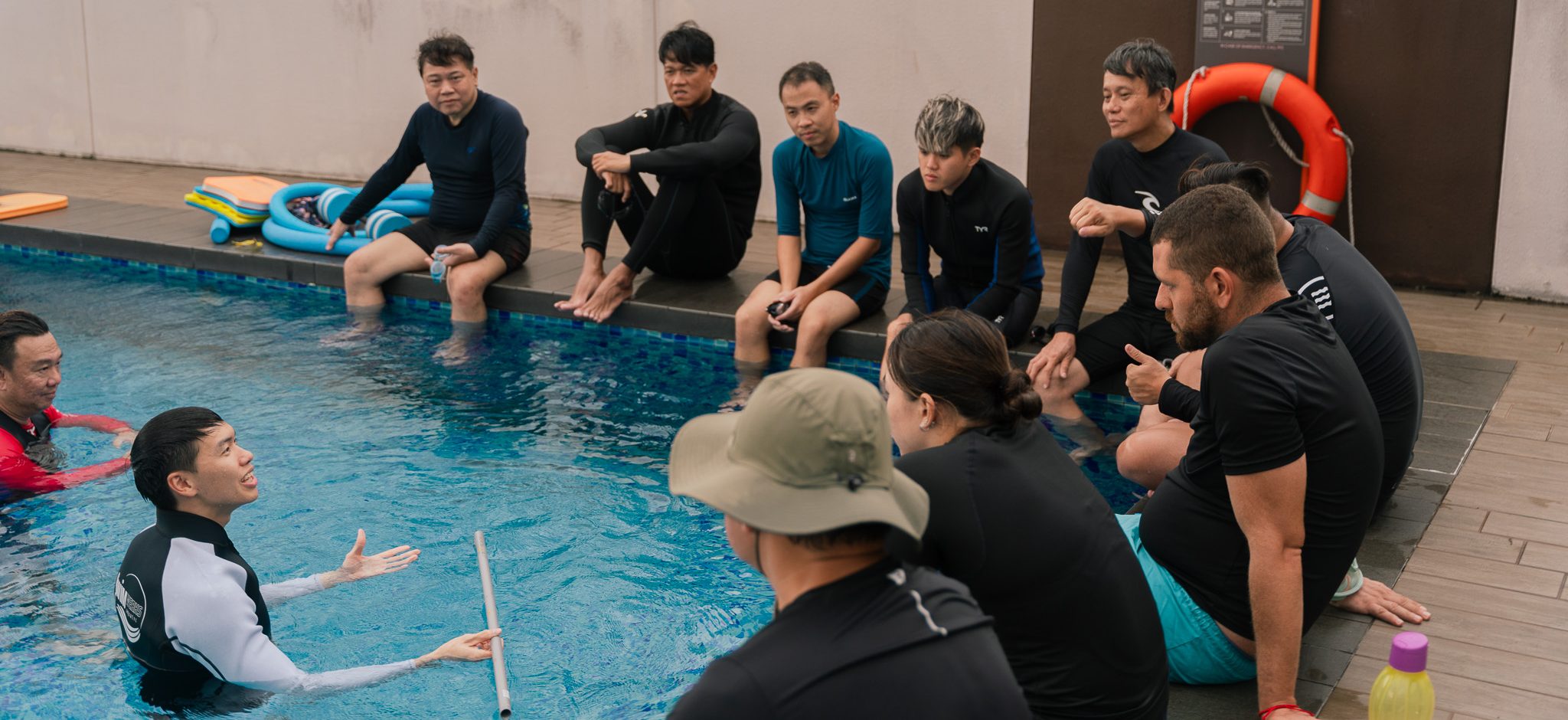
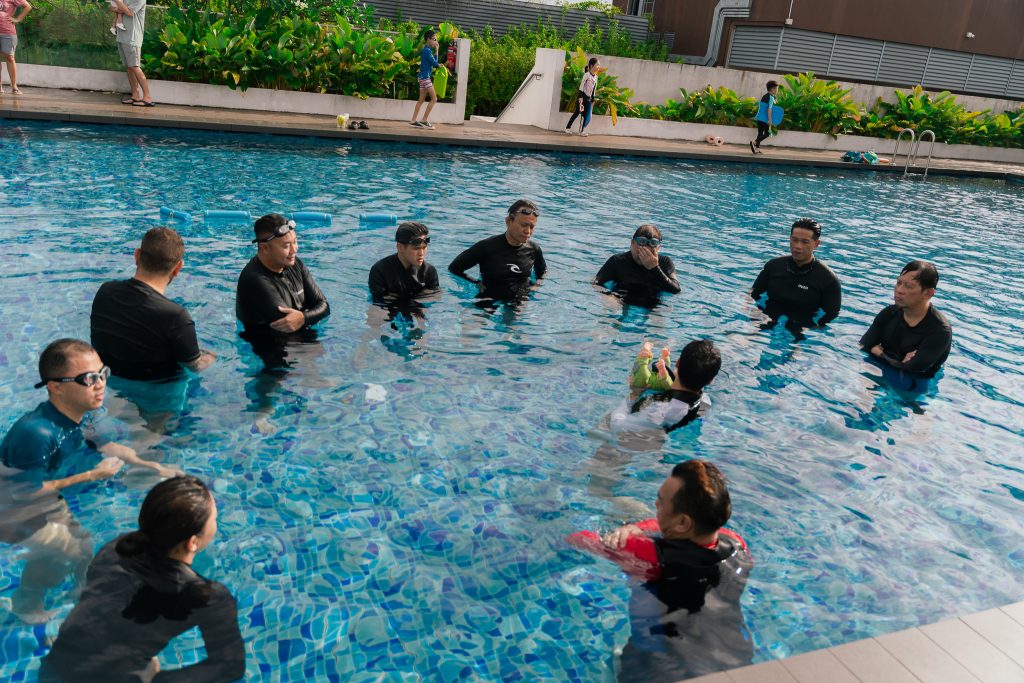
This is often where candidates see the most failures. Assessors look for clear communication, proper positioning relative to students, and the ability to manage a class rather than just focus on one swimmer. Those who only have competitive swimming experience without any teaching practice can find this challenging. That’s why we keep group sizes small in our training sessions.
4. Underestimating the Theory Component
Based on our experience, we found that many candidates mistakenly think the practical swimming test is the most important part and don’t prepare enough for the theoretical side, which covers essential topics like safety protocols, lesson planning, and stages of child development.
At Swimwerks, we encourage candidates to engage with theory content through the MySSI app before they even step into the classroom, spreading out the studying rather than cramming at the last minute.
5. Skipping Mock Assessments
Those who practice with a full mock assessment beforehand and receive constructive feedback from a mentor usually perform better than those who don’t. Teaching effectively is a performance art, and simply reading about how to structure a lesson isn’t the same as practicing it out loud in front of someone who’s judging you.
6. Incomplete Practicum Hours
Most certification paths require candidates to complete supervised teaching hours at an approved center after the course. Some candidates treat this as just a formality, which leads to them arriving at the assessment without having taught a complete lesson.
7. Nerves and Poor Time Management on Assessment Day
Assessments are timed, and some candidates struggle with pacing. They may spend too much time warming up their strokes or over-explaining during the theoretical portion, leaving insufficient time for the teaching demonstration. Assessors look for confidence, not just technical proficiency.
If you are interested in taking the next step, check out our full guide on: How to Prepare for a Swimming Instructor Interview in Singapore
Common Failure Points & How to Pass Your Swim Instructor Assessment
To avoid these common failure points, consider the following tips:
- Ensure you have all prerequisite documents sorted at least four weeks ahead of your assessment.
- Schedule a mock teaching session for feedback from a certified coach.
- Practice demonstrating all four strokes specifically for an audience.
- Study the theory content weekly rather than trying to cram everything the night before.
- Gain supervised teaching experience in a small group environment before your practicum ends.
- Time your practice teaching segments so they match the actual assessment format.
- Remember to arrive well-rested; assessors often notice how calm and composed a candidate is as much as their swimming ability.
Our Final Advice
If you want to pass your swim instructor assessment, there’s one key factor: getting hands-on practice with real students before your test. Those who get this experience tend to pass much more often than those who prepare alone. That’s exactly why our program exists.
If you’re determined to pass on your first try, it’s all about practice and structure. Check out the full course details and enroll here: Swimwerks Swimming Instructor Course.
Frequently Asked Questions:
What is the pass rate for swim instructor assessments in Singapore?
Pass rates vary by provider and are not always publicly published, but course providers consistently report that most failures come from the teaching demonstration and documentation, not the swim test itself.
Can I retake a failed assessment?
Yes, most providers allow retakes, but this may involve a fee and a waiting period before you can try again.
Do I need to be an advanced swimmer to pass the assessment?
No. You need clean technical proficiency in four strokes, not competitive speed.
How long does it take to prepare for a swim instructor assessment?
Most candidates spend six to twelve weeks on course content, practicum hours, and mock preparation before their final assessment, depending on how much prior teaching exposure they have.
What happens if I am missing a prerequisite on assessment day?
Providers can defer or disqualify candidates without complete prerequisite documentation, so confirm every certificate well ahead of your scheduled date.
San Htar is the SEO Specialist at Swimwerks Singapore, where she manages SEO and content strategy. With several years of experience in digital marketing across Southeast Asia, she has worked across SEO, paid media, and content for businesses in multiple industries. At Swimwerks, she focuses on creating content that helps people in Singapore can actually find the information they need when looking for swimming lessons for their kids and adults. Swimwerks is one of Singapore’s trusted swimming schools, with over 6 years of experience, more than 1,000 students coached, and a presence across 30 locations island-wide, from ActiveSG pools to condominiums across Singapore.


