
How to Do a Flip Turn Swimming: Step-by-Step Guide for Beginners | Swimwerks

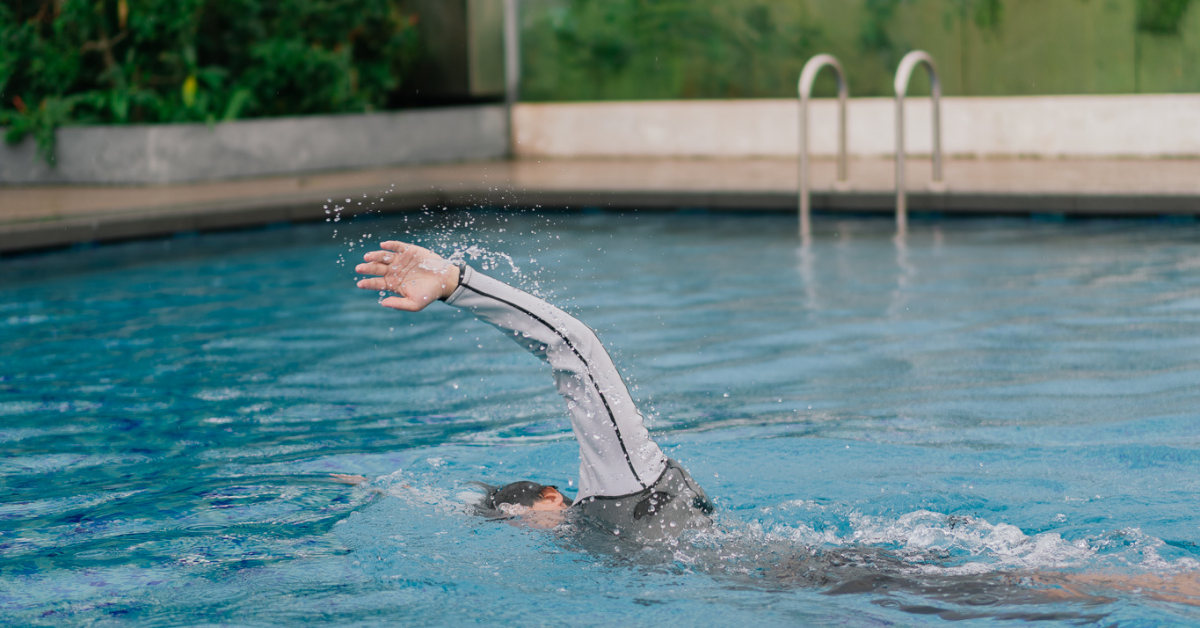
If you regularly swim laps, you probably realize that stopping at the wall and pushing off can slow you down and disrupt your flow. That’s where the flip turn, or tumble turn, comes in. It’s a technique used by both competitive and casual swimmers to keep their pace going as they turn at the wall.

At Swimwerks, many of our swimmers have mastered the basics of freestyle, but this is often where progress seems to stall. Watching a flip turn may look easy, but trying it out for yourself can feel pretty disorienting at first. However, once you get the hang of it, you’ll find your laps become more efficient and your times improve without even trying harder.

Table of Contents

Before You Start: What You Should Know First

Before you dive in, this guide is aimed at intermediate swimmers who are comfortable covering full lengths of the pool. It’s a good idea to be able to do a forward somersault in the water before trying the flip turn. If that feels challenging, we recommend spending some time practicing that beforehand.

Remember, you don’t have to be a competitive swimmer to learn this skill; many of our students are just recreational swimmers in their 30s and 40s looking to improve their technique.

How to Do a Flip Turn Step by Step

Step 1: Know Your Distance

Most pools have colored flags hanging about 5 meters from the wall. As you swim, count how many strokes it takes you to reach the wall after you pass under these flags. For many adult swimmers, it’s usually between 2 and 4 strokes. Knowing this number helps you avoid crashing into the wall or coming up short.

Step 2: Maintain Your Speed

As you approach the wall, it’s important to keep your normal swimming speed. Don’t slow down to think about the turn; a flip turn works best when you already have some momentum going. Slowing down is a common mistake we see a lot.

Step 3: Prepare for the Flip

On your last stroke before you hit the wall, pull your lead arm through completely. Once your arm finishes the pull, tuck your chin toward your chest and bring your knees up to your stomach. This action starts your rotation.

Step 4: Execute the Flip

Let your legs follow the rotation over your body. Aim to land your feet on the wall with your knees slightly bent and about shoulder-width apart. At this point, you’ll be on your back underwater.

Step 5: Push Off and Rotate Back

Firmly push off from the wall and start rotating back onto your front as you glide. Keep your arms streamlined above your head and engage your core. This is the perfect time to take 2 or 3 dolphin kicks before resuming your freestyle stroke.

Step 6: Don’t Breathe Too Soon

This is where many beginners trip up. Avoid the temptation to breathe immediately after you push off. Stay streamlined and complete at least one full stroke cycle before taking a breath on your second or third stroke. Breathing too early can disrupt your posture and kill the momentum you’ve just built up.

Common Mistakes Swimmers Make (And How to Fix Them)

One common issue is flipping too far from the wall. If your feet keep landing in the air instead of on the wall, you might be starting your rotation too early. Try counting one more stroke before you flip.

Another problem is getting water up your nose. To prevent this, exhale gently through your nose all through the rotation. A consistent, gentle breath helps keep water out. Many swimmers find a nose clip to be useful during this phase.

Some swimmers push off at an angle, which can make their feet land unevenly on the wall. To fix this, focus on planting both feet at the same height, about hip-width apart.

Lastly, don’t lose your streamlined position too quickly. The glide phase after the wall is a chance to gain extra speed. If you break your streamlined position after just one kick, you’re missing out on valuable momentum.

What Our Coaches Actually Tell Students

At Swimwerks, we believe flip turns should be part of every swimmer’s toolkit, competitive or not. Many of our students train several times a week yet haven’t learned the correct mechanics, making their swimming more difficult than it needs to be.

Our advice is to practise the approach, the flip, and the push-off as distinct drills before putting them all together. Once you feel comfortable with each part separately, you can combine them. Swimmers who follow this approach usually nail a clean turn within two to three weeks.

Frequently Asked Questions

Is a flip turn only for freestyle?

No! While freestyle and backstroke both use a flip turn, breaststroke involves a different kind of turn. We will cover those in future posts.

Your feet should land with your knees forming about a 90-degree angle. If your legs are almost straight, you’re too close. If your knees are pressed to your chest, you’re too far.

Yes, goggles help you see the wall clearly and judge distance well. A snug pair works best so they don’t shift during your rotation.

Most Swimwerks students can perform a functional flip turn within 3 to 6 practice sessions. Often, the rotation is learned first, while refining the wall contact and push-off takes a bit longer.

This guide is for intermediate swimmers. If you’re still getting comfortable with your freestyle stroke, focus on swimming full lengths before adding turns.

Lifeguard Service Singapore

Want to work on your flip turn with a certified coach? 

If you want to work on your flip turn with a certified coach, Swimwerks offers swimming lessons across Singapore for all skill levels. Reach out to our team and we’ll find the right program for you.

Enquiry Form