Swimming for Anxiety and Stress Relief: The Science Behind It

Feeling stressed, anxious, or mentally drained by the end of the day? If so, you’re not alone. Many professionals and students in Singapore face similar challenges every day, and often, the standard exercise advice doesn’t really help. But it turns out that swimming isn’t just a relaxing activity for fun; there’s a growing amount of research indicating that water-based exercises can create real changes in our brains and bodies that traditional gym workouts often can’t replicate.

Table of Contents

Why Swimming Works Differently for Stress

For many people, swimming stands out because it combines rhythmic movement, controlled breathing, and a soothing environment during each session.

A 2012 study published in Pain Research and Management showed that people who engaged in aquatic exercise reported significantly lower anxiety levels compared to those who didn’t exercise at all. In contrast to more chaotic environments, like busy streets or crowded gyms, swimming pools offer a peaceful escape. When you’re swimming, there’s no traffic noise, no phone notifications, and no chitchat pulling you away from your thoughts.

Psychologists refer to this experience as “mindful movement,” and swimming naturally puts you into that state.

The Neuroscience: What Happens in Your Brain

According to the article “Exercising to Relax” published by Harvard Health (2020), if you engage in moderate-intensity swimming for about 20 minutes, your body releases neurochemicals like endorphins, serotonin, and dopamine. These are the same neurochemicals targeted by many anxiety medications, but they’re produced naturally when you exercise.

Additionally, swimming encourages the growth of new brain cells in the hippocampus, the area of the brain that helps regulate emotions and memory. Chronic stress can diminish the size of this area over time. For students under exam pressure or professionals facing tight deadlines, this isn’t just about burning calories; it’s about strengthening your brain’s ability to cope with stress.

The Cortisol Connection

High cortisol levels over extended periods can disturb sleep, weaken the immune system, and exacerbate anxiety. A review published in 2016 found that moderate aerobic exercises, including swimming, can help lower cortisol levels in adults dealing with stress.

Spending about 25 minutes swimming at a comfortable pace is generally enough to help shift your body into this recovery mode, allowing you to unwind.

Blue Mind Theory: Water as a Mental Reset

There’s the concept of “Blue Mind,” introduced by marine biologist Wallace J. Nichols in his book. He explains how being in or near water can create a unique mental state that land-based exercises simply can’t replicate. Various studies referenced in his work indicate that being in water can reduce activity in the part of the brain responsible for self-referential thinking. In simpler terms: being near water can quiet those incessant thoughts, making it easier for those who tend to dwell on worst-case scenarios to find some peace.

How Often You Need to Swim to See Results

the World Health Organization recommends engaging in about 150 minutes of moderate aerobic activity weekly to maintain good mental health. Three 50-minute swimming sessions would meet that recommendation quite perfectly. Studies have shown that mental health improvements can start becoming noticeable within two to four weeks of regular swimming.

If you’re just starting out, it can be helpful to have a plan. Here’s a simple way to ease into it:

Phase Duration Intensity Goal
Weeks 1–2 20–30 min Easy / comfortable Build the habit
Weeks 3–4 30–40 min Moderate Activate stress response
Week 5+ 40–50 min Moderate–high Ongoing stress relief

It’s important to remember that consistency is more effective than intensity when it comes to mental health benefits. Frequent, gentle swims will help you more than an exhausting sprint every couple of weeks.

Swimwerks’ Perspective

At Swimwerks, we often see that adults trying to relieve stress through swimming can become frustrated if they haven’t learned the right techniques. With proper techniques, swimming can transform from a chore into a truly refreshing experience.

If you’re looking for a reliable way to boost your mental well-being, consider taking a dip in the pool. We can help ensure that your experience in the water is a positive one, helping you move from stress to serenity.

We offers adult swimming lessons across various ActiveSG pools and private communities in Singapore, catering to everyone from beginners to those looking to refine their skills. Our certified instructors focus on building your swimming technique and helping you progress comfortably and sustainably

frequently asked questions​

Many people feel a boost in their mood right after their first swim because of the endorphins released during the activity. If you keep swimming regularly about three times a week, you’re likely to notice a more lasting drop in anxiety within two to four weeks.

For a lot of folks, swimming can be more effective. It offers the calming benefits of being in water, which running doesn’t provide. Plus, it’s easier on your joints, making it a great option for those of us who sit at a desk all day. While both activities help, swimming combines soothing movements and focused breathing, which can be particularly good for anxiety.

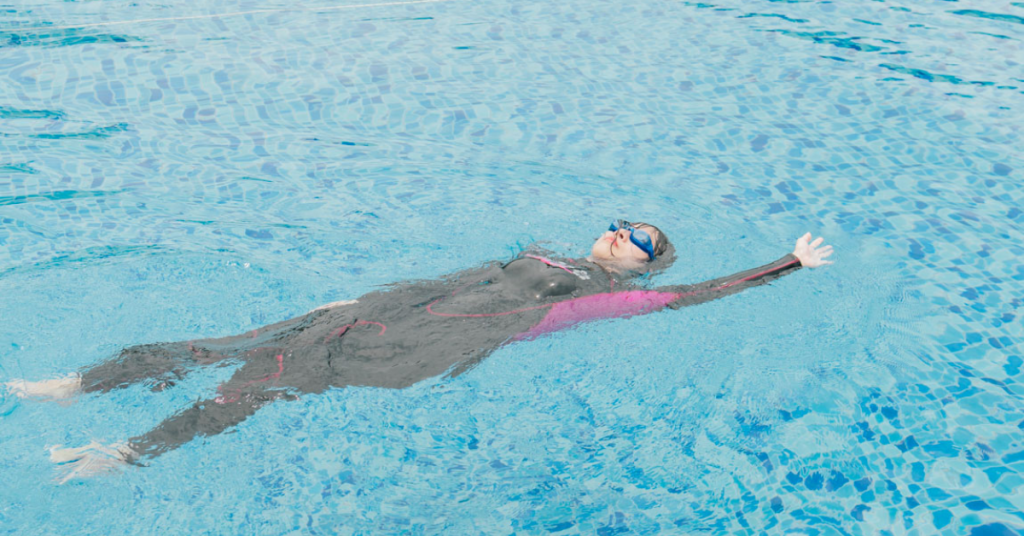
Freestyle and breaststroke are usually the top picks. Breaststroke is especially beneficial because its slower breathing patterns mimic techniques used in anxiety therapy. If you’re new to swimming, backstroke might be easier since you’re not required to put your face in the water.

Absolutely, but getting the technique right is crucial. Mistakes in breathing can lead to swallowing water and increased anxiety. It’s worth investing time in learning the basics, maybe through four to six lessons, so swimming becomes a calming experience. Swimwerks offers classes for adults just starting out.

Enquiry Form