The World Cup 2026 Recovery Secret Singapore’s Weekend Athletes Should Steal

Two days after hitting up that Hyrox event on Saturday, your quads are still feeling tight, and now your Tuesday run keeps getting postponed. Meanwhile, teams in World Cup 2026 are doing some serious back-to-back match-ups in scorching heat in Houston, Monterrey, and Miami, yet they seem to bounce back looking fresh for the next game.

Their secret isn’t some pricey recovery boot or ice bath; it’s swimming, a recovery strategy that sports science has backed for over ten years and one that weekend warriors in Singapore can easily start using.

Table of Contents

What’s Actually Trending at World Cup 2026 Right Now

What’s notable at World Cup 2026 right now is FIFA has made player recovery a key focus this year, and it’s turned into a hot topic beyond just sports science circles.

All 104 World Cup matches have a mandatory three-minute hydration break around the 22nd minute of both halves. This rule applies across all 16 host cities in the US, Mexico, and Canada, whether it is rain or shine. This is a shift from the 2014 Brazil World Cup, where these cooling breaks only happened when temperatures hit a certain level.

This change has sparked mixed feelings. Some players and commentators think it breaks up the game too much, making it feel like it’s more four quarters than two halves. But FIFA’s medical team stands by the need for managing heat and recovery, which totally influences how the biggest soccer tournament is played and talked about.

Why Pro Footballers Use Swimming for Muscle Recovery

Research shows that getting into the pool helps clear out the metabolic waste from intense workouts much quicker than just sitting on the sidelines could.

A study from 2010 in the International Journal of Sports Medicine found that recovery sessions in the water boosted performance the next day compared to just resting. Another study with triathletes revealed that those who swam a set distance as a recovery method managed to run longer before tiring out compared to those who rested completely.

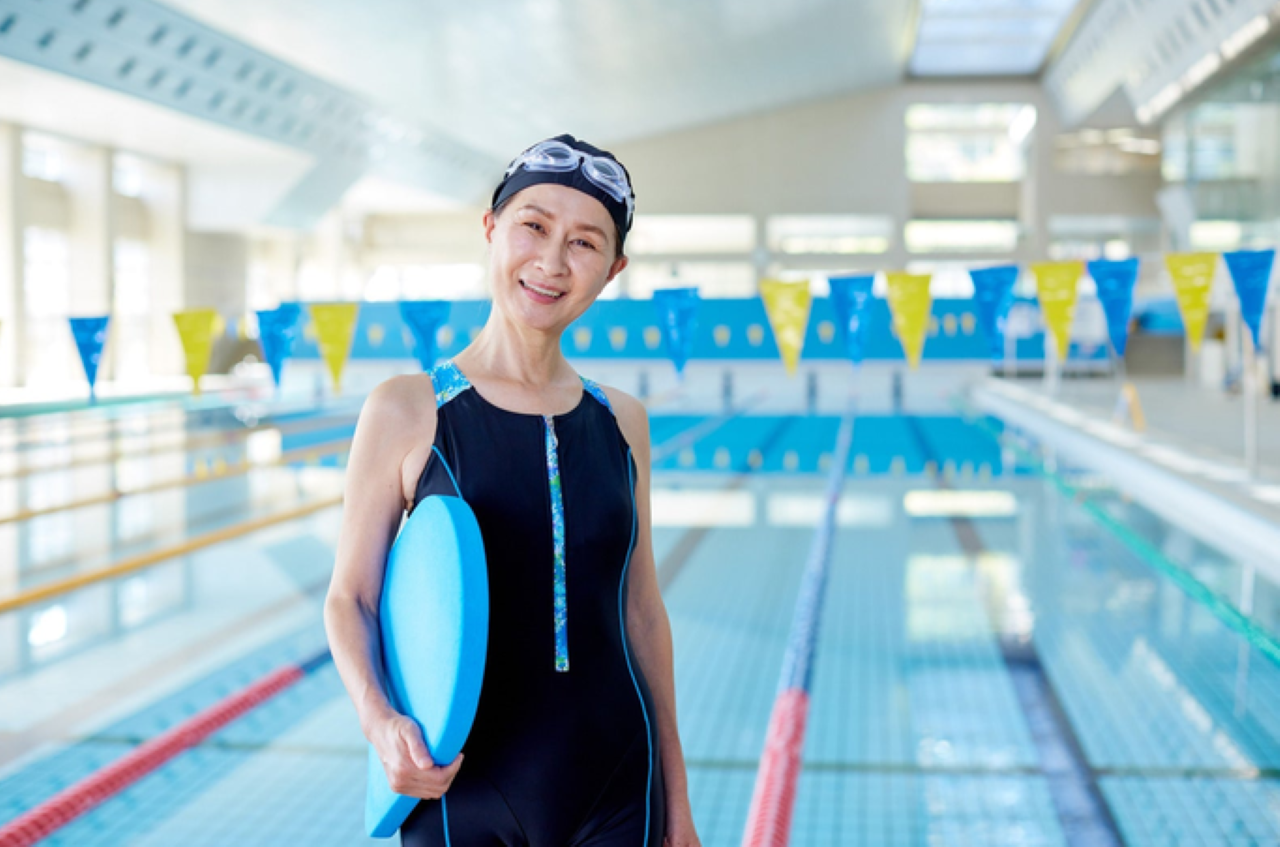
Swimming for Fitness Adult

A few factors explain this. Being in the water increases blood flow and helps clear out lactate buildup. It also reduces strain on the joints by about 90%, allowing movement without the impact one would usually experience on land. Plus, pool-based recovery has been shown to clear out blood lactate faster than passive methods like a massage.

Recovery Method Comparison: Pool vs Ice Bath vs Rest

When you compare recovery techniques like swimming, ice baths, or just resting, it’s clear that no single method is best for every situation. That’s why elite teams often mix a few approaches.

Here’s a quick rundown.

  • A recovery swim (15 to 20 mins) does a great job at clearing lactate with very little impact on joints and is quite affordable.
  • Ice baths have debated benefits, but they can be pricey if you’re going to specialized facilities.
  • Massage or foam rolling has its merits for localized tightness.
  • Passive rest is free but only useful for mild soreness and planned off-days.

Does This Work for Weekend Athletes in Singapore’s Heat?

The good news is that swimming may be even more beneficial for those training in Singapore’s warm climate than for some World Cup teams.

With Singapore’s average temperature hovering between 30°C and 33°C year-round and humidity levels around 83 to 87%, it’s similar to or hotter than several locations that prompted FIFA to adopt new hydration rules. So, whether you’re prepping for a Hyrox, HIIT session, marathon training for the Standard Chartered race, or just keeping fit, the same principles of recovery apply. In fact, the American College of Sports Medicine encourages swimming or walking in water for recovery from muscle strains.

How to Build a Recovery Swim Session, Step by Step

  1. Aim for about15 to 20 minutes of gentle movement in the water the day after a tough workout.
  2. Warm up with a few minutes of walking or treading water, then swim a few easy laps at a pace where you could comfortably chat.
  3. Toss in some gentle kicking with a float to aid leg recovery.
  4. Finish up with some light stretching for your hips, shoulders, and calves.
  5. Just remember not to overdo it and keep it to around 20 minutes.

The One Catch Most People Miss

One thing to be cautious about is if your stroke isn’t quite right, a recovery swim could inadvertently become an intense workout instead. Struggling to breathe or feeling wiped out means you’re missing out on the low-impact benefits swimming can provide.

Swimwerks’ Take: Technique Comes Before Recovery

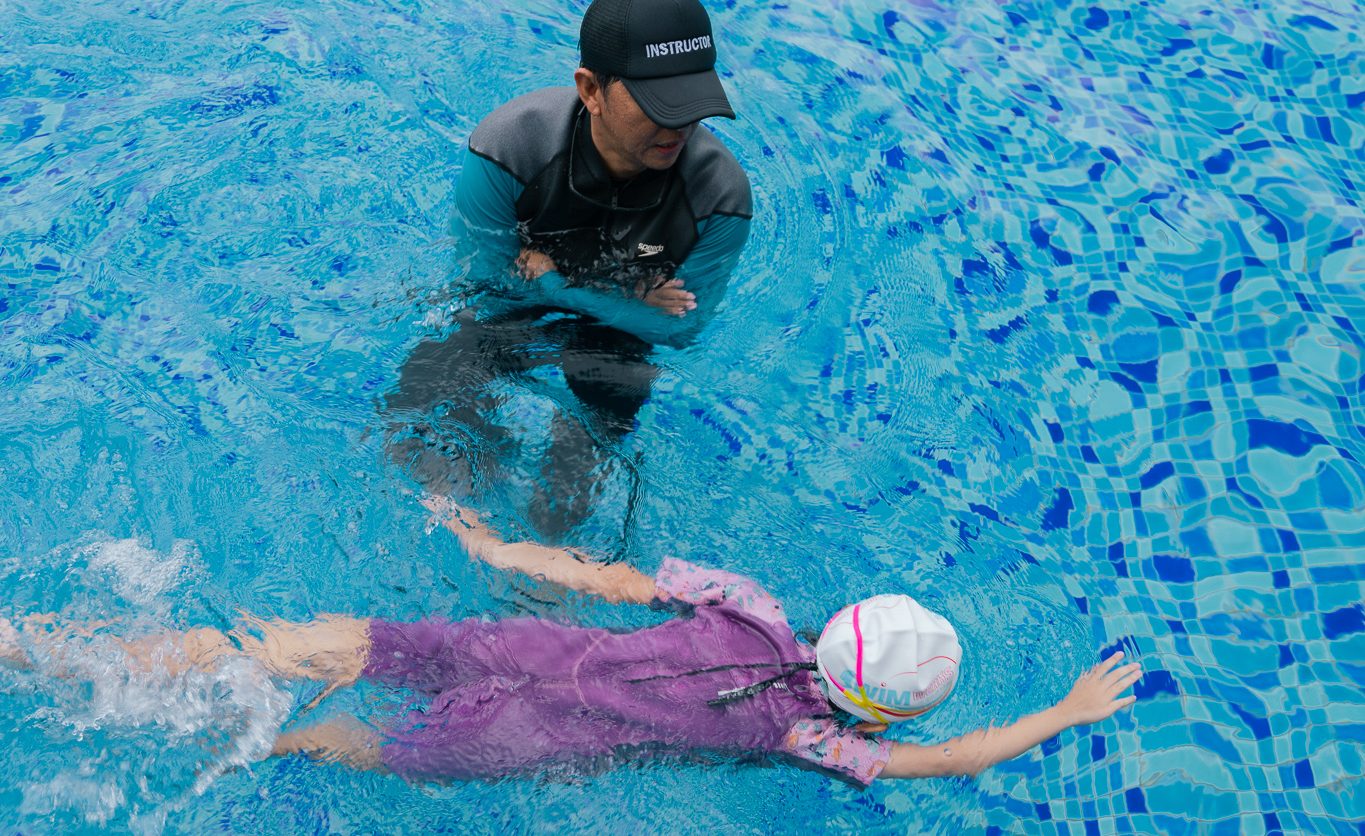
At Swimwerks, we see this often with our adult clients who try to mimic elite recovery methods without having the right stroke technique. A true recovery swim should be low-effort, so it’s best to get some coaching on technique before diving in. Once you’re all set up, a 20-minute swim can serve as the reset you need between demanding training sessions, just like it does for the pros.

If you’re uncertain about your swimming technique, we offer classes tailored to adults looking to improve and recover. Don’t hesitate to reach out with any questions or to book a session at swimwerks.com.sg before your next intense training week.

frequently asked questions​

Swimming helps clear lactic acid consistently and is easier on the joints, while ice baths may only help with acute swelling.

It’s usually best to wait until the next day to allow your body to start recovering.

Not necessarily, but good stroke efficiency is important to keep your heart rate down.

One to three times a week is a good place to start, depending on your training intensity and how your body feels.

No, they help speed up recovery but shouldn’t replace the need for complete rest days in your training routine.

Enquiry Form