How To Choose A Kids Swim School In Singapore, 8 Things Parents Should Check First

Kids swimming lessons singapore

When parents in Singapore look for swim schools for their kids, the first thing they often consider is how close the school is to their home. This might seem logical at first, but after just a few months, many parents find their child is either getting bored, stuck on the same skill level, or even feeling scared of the water. They end up back at square one, searching for a new school and losing progress they had already paid for.

Here at Swimwerks, we frequently see families switching to us after having a poor experience elsewhere. The reality is that selecting a kids’ swim school in Singapore should be based on a few key factors, rather than just location.

Table of Contents

Why Location Should Not Be Your First Priority

While it’s true that location matters to some extent, it shouldn’t be your top priority. Choosing a nearby school just because it’s close doesn’t guarantee that your child will make progress. Unfortunately, many parents start their search by checking schools within their postal code and end up frustrated when their child remains stuck at SwimSafer Stage 1 for an entire year.

According to data from Singapore Aquatics, each SwimSafer stage requires about 12 hours of structured lesson time to complete. So, if a school can’t provide that consistent and structured learning environment, being close by really doesn’t matter.

The 8-Point Checklist For Choosing A Kids Swim School

To help parents navigate this process, we’ve created a checklist that our front desk staff uses during enrollment consultations. Here’s what you should consider:

1. Is the instructor certified by the National Registry of Coaches (NROC) or as an SG Coach, with a valid Standard First Aid certificate?
2. Does the school follow the official SwimSafer 2.0 syllabus instead of a generic program?
3. What is the maximum class size for beginners?
4. Is there a clear system for tracking progress, with specific milestones instead of vague “improvement” statements?
5. Are there lifeguards or an additional qualified adult present during every lesson?
6. Can the school register your child for SwimSafer CAMS assessments directly?
7. What does the school do if your child feels nervous or refuses to enter the water?
8. Do instructors provide regular updates on your child’s progress instead of just giving an annual report?

Understanding Instructor Credentials

The quality of lessons largely depends on the instructor’s credentials. In Singapore, respected instructors typically have certification through the NROC after going through the Singapore Coach Excellence Programme, in addition to holding a valid Standard First Aid certificate. Don’t hesitate to ask to see this certification; if a school is reluctant or avoids this question, it could be a red flag.

The Importance of Class Size

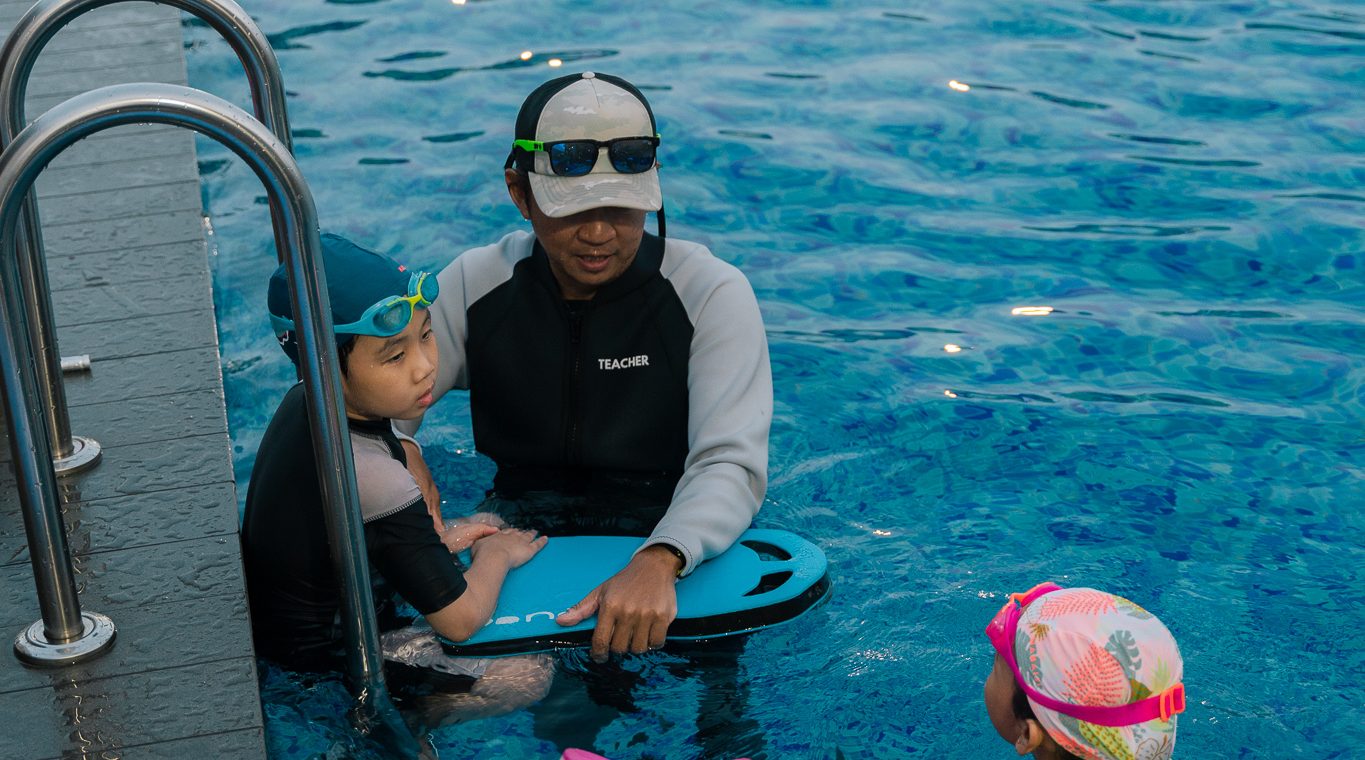
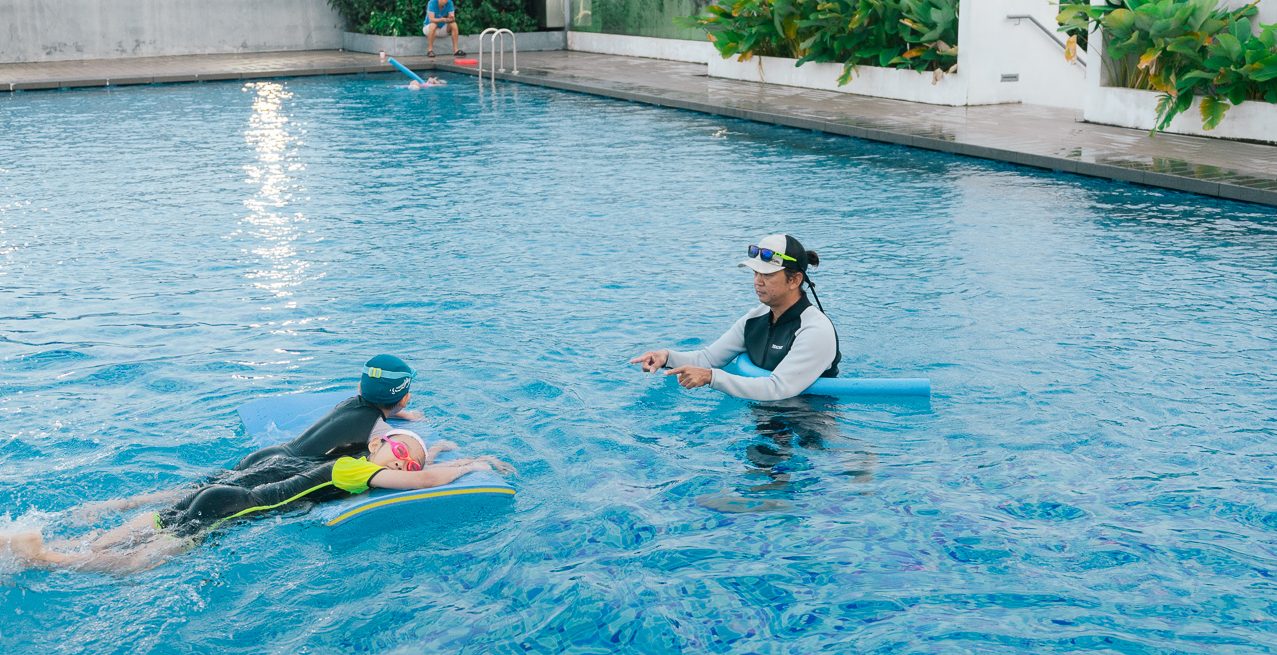
Class size can significantly affect how quickly a child progresses. For beginners, a class should ideally have between 4 and 6 students. If the class is larger than that, instructors simply can’t give each child enough time in the water or adequate feedback. At Swimwerks, we intentionally limit our beginner classes to 4 to 6 students.

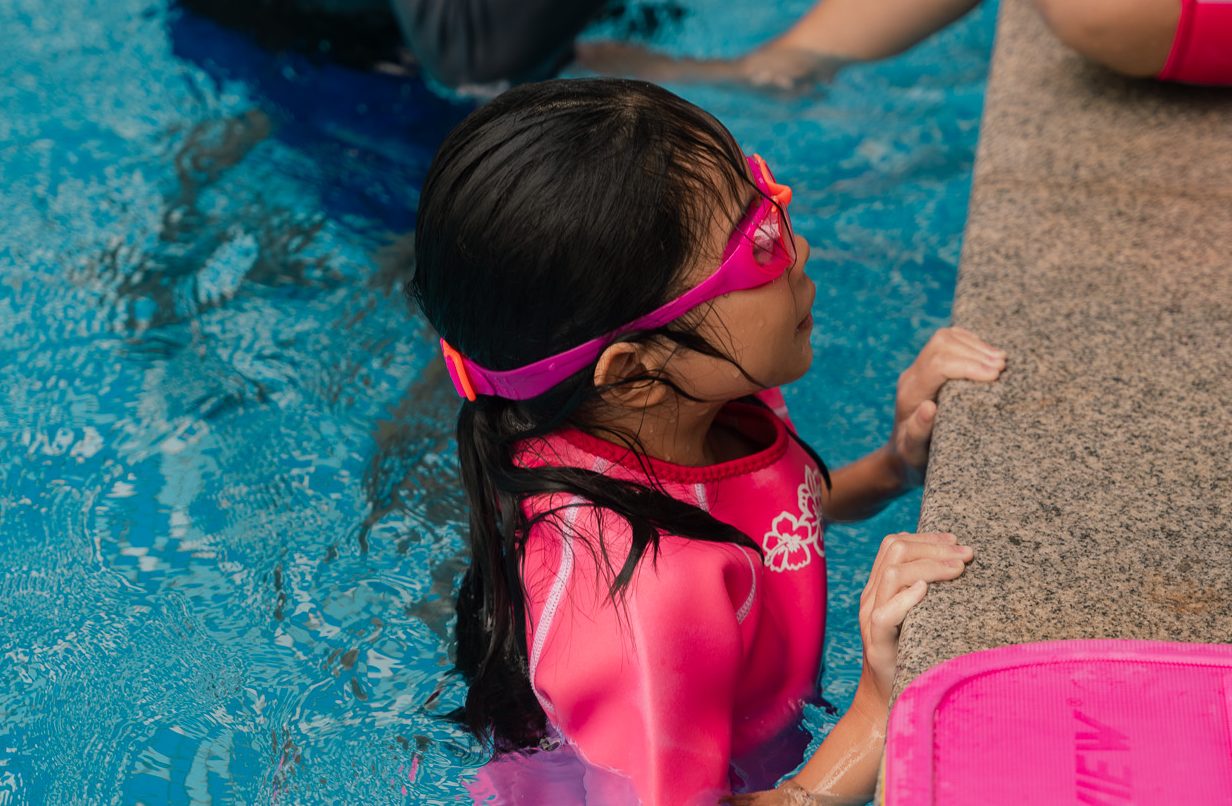
From experience, we’ve seen that larger classes can lead to more anxious kids feeling overlooked and disengaging altogether. If you have a nervous child, it’s worth asking about private lessons instead of assuming group classes will help build their confidence; often, the opposite happens.

swimming lessons Singapore private or group

Don’t Overlook Water Safety

Another important consideration is water safety.

Make sure to ask each shortlisted school about their incident record and what protocols they have in place for emergencies. This single question can quickly help you weed out unlicensed operators. Data from Sport Singapore indicates that more than 65% of drowning incidents from 2005 to 2008 occurred in natural bodies of water. This is why the SwimSafer curriculum was revised to focus on incorporating survival skills, not just swimming techniques. If a school treats survival skills as an afterthought, they aren’t meeting national standards.

Red Flags vs. Green Flags

Red Flags

Green Flags

What We Recommend Before You Sign Up

If you’re currently looking into swim schools, we encourage you to ask each one the eight questions mentioned above before discussing pricing or scheduling. A school that can provide clear, documented answers to all eight questions is likely worth your child’s time.

At Swimwerks, we designed our beginner classes with a maximum of 4 to 6 students because we’ve seen how larger classes can fail to support children who are anxious. If you’re ready to dive in, reach out to Swimwerks to find the perfect beginner swimming class for your child.

Frequently Asked Questions:

We recommend starting formal lessons around ages 4 or 5, although younger children can benefit from water familiarization in private settings.

If you’re wondering whether your child is ready to swim, read our guide: Is Your Child Ready to Swim The Singapore Parents Age-by-Age Guide

Each SwimSafer stage typically requires around 12 hours of structured lesson time, though the pace can vary based on the child and the consistency of the classes.

For kids with anxiety about water, private lessons are a great way to provide the attention they need to rebuild their confidence before joining a group.

Not all swim schools do. Make sure the school clearly states they align with SwimSafer 2.0 and can register your child for CAMS assessments to ensure they’re adhering to national standards.

Enquiry Form