Swimming Lessons for 7 Year Olds in Singapore: What to Expect

Kids swimming lessons

Many parents in Singapore sign their 7-year-olds up for swimming lessons expecting to see clear progress week after week. They hope to see their child blowing bubbles in the first week and swimming laps by the eighth week. However, the reality is more complicated. Around this age, children often experience a unique mix of physical readiness and emotional hesitation, which can disrupt the timeline parents envision. Instructors who work with kids at this age notice a recurring pattern, and understanding this can really help parents gauge how effective the lessons are.

Table of Contents

Why Age 7 Is a Turning Point for Swimming Lessons

The simple answer is that many seven year olds have developed the physical skills needed for swimming but may not be emotionally ready to fully embrace the water.

At this age, most children have the muscle control to learn strokes like freestyle and backstroke. However, some still carry a fear of water from their younger years, while others might dive in without a second thought. Coaches frequently encounter two main types of kids at this age: those who freeze in water that’s just chest-deep but can swim easily at knee depth, and those who jump right in without double-checking how deep it is. Both groups typically need specific coaching adjustments instead of just more practice doing the same exercises.

For parents curious about how long it actually takes for a child to learn swimming, it really depends more on their confidence, consistency, and the coach’s methods, rather than just their age.

What Swimming Lessons for Seven Year Olds Singapore Actually Cover

When it comes to the actual swimming lessons for seven year olds, there’s a structured program that covers foundational skills in a step-by-step way.

Here’s a brief outline of what a typical progression looks like for a child who has had some exposure to water:

Foundation

Focuses on breath control, submerging, and floating (both front and back).

this usually takes about 4 to 6 sessions.

Propulsion

Involves learning kicking techniques, coordinating arms, and moving without support.

this usually lasts around 6 to 8 sessions..

Stroke Refinement

Concentrates on refining the techniques for freestyle and backstroke and working on the rhythm of breathing.

this usually takes about 8 to 10 sessions.

Endurance

Aims at building continuous swimming distance, learning to turn, and understanding basic safety skills.

this is an ongoing part of the process…

For children who haven’t taken any lessons before, it often takes them around 4 to 6 weeks just to build up enough confidence in the water before they can start working on correcting their strokes. Parents who expect to see technique improvements right from the first week can sometimes pull their children out too soon, mistakenly believing the lessons aren’t effective.

SwimSafer Stage Expectations at Age 7

As for the SwimSafer program used in Singapore, most 7-year-olds start around SwimSafer Stage 1 or 2, based on their prior experience rather than their age.

Stage 1 focuses on water safety and fundamental survival skills like floating, while Stage 2 introduces the four basic swimming strokes at an introductory level. If a 7 year-old is just starting from scratch, it’s unrealistic to expect them to reach Stage 2 within a single term, even if some lessons might suggest that’s possible.

Setbacks Parents Do Not See Coming

Parents should also be prepared for some setbacks that might arise during lessons. The three most common disruptions at this age include:

1. Plateauing

This often occurs around the fifth or sixth week when a child might be able to float and kick but struggles to combine both skills due to a lack of confidence rather than a lack of ability. Forcing them to practice more intensively can actually backfire.

2. Comparison Anxiety

This can emerge in group lessons where children have different levels of experience. A 7-year-old who sees a classmate excelling might feel discouraged and give up rather than try harder.

3. Gear Discomfort

Issues with things like goggles or earplugs might seem trivial but can be genuine barriers that distract kids from focusing on their technique.

Group Lessons vs Private Lessons at This Age

When it comes to choosing between group lessons and private lessons, it’s important to match the approach with the child’s needs.

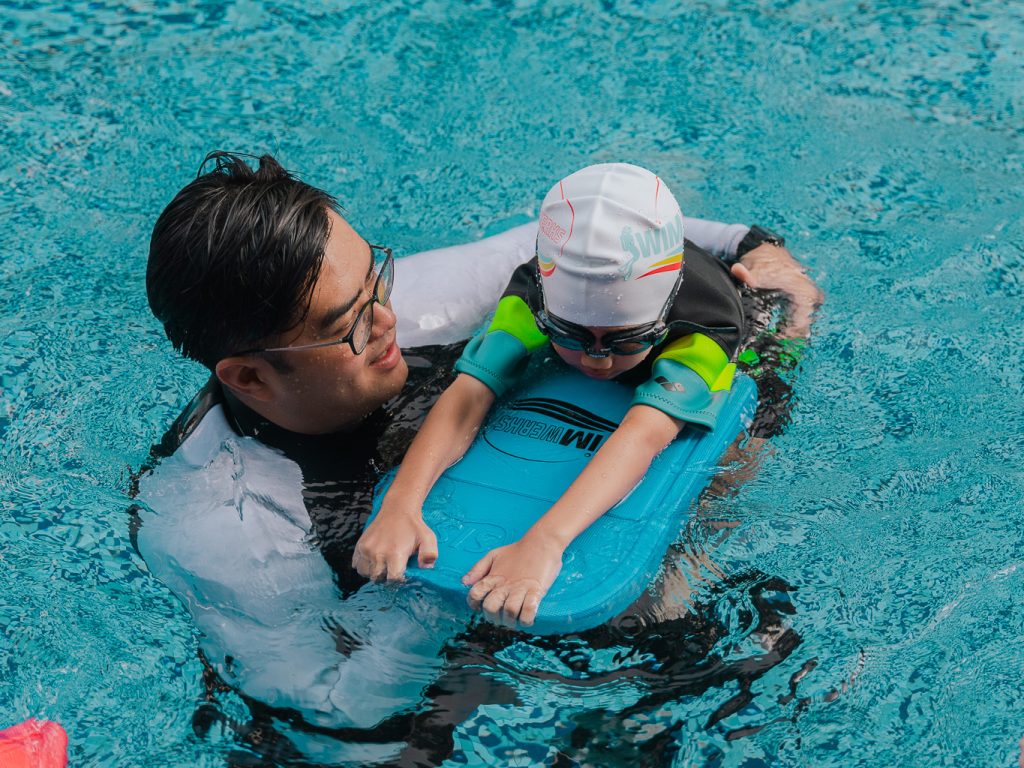
Kids Group Swimming Lesson
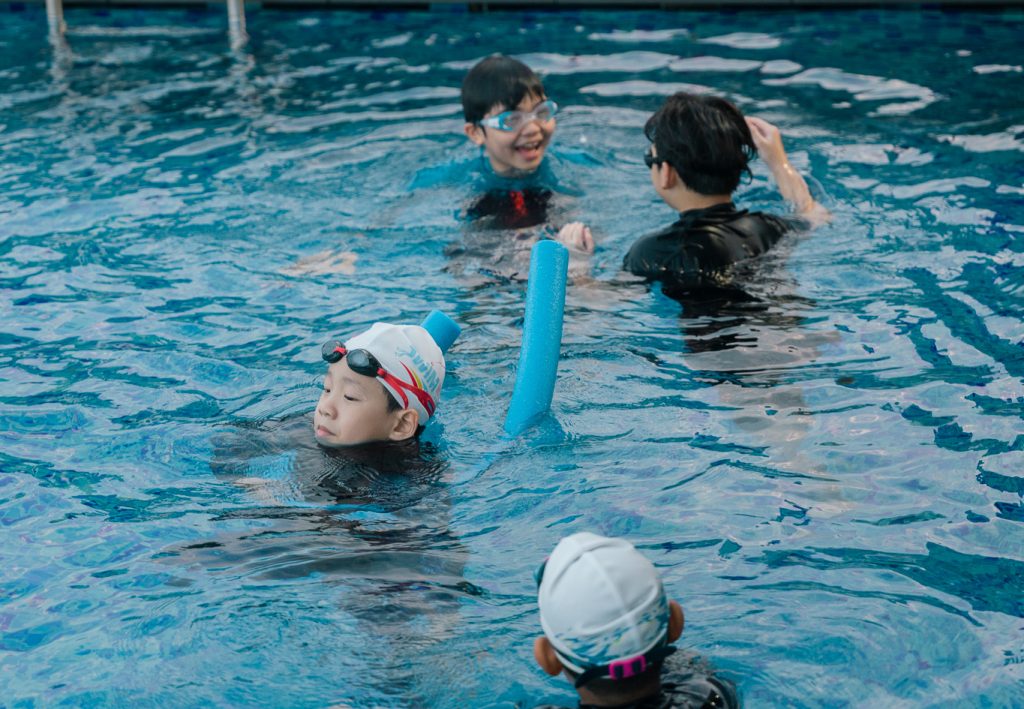
Kids Group Swimming Lessons
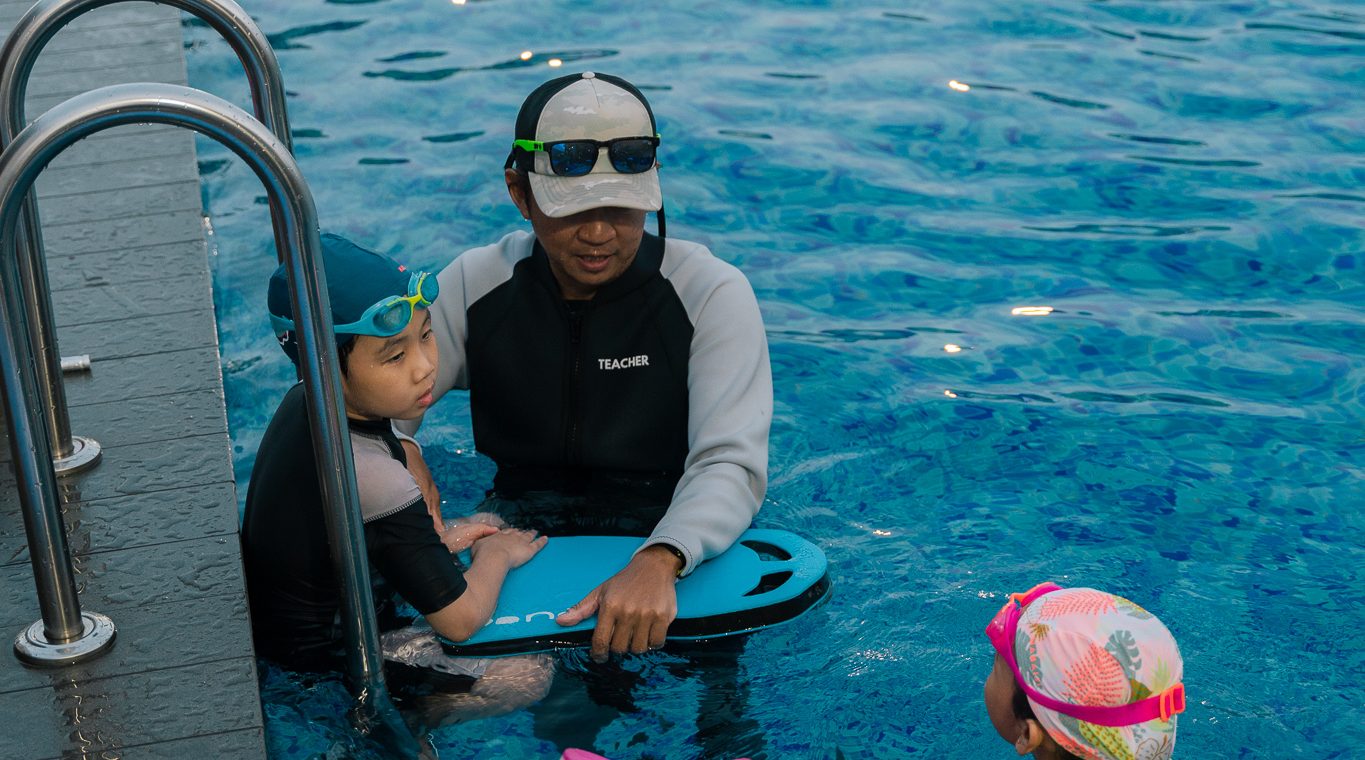
Kids Private Swimming Lessons

Group lessons can be great for kids

  • who already have some comfort in the water and
  • enjoy learning with friends.

On the other hand, children who struggle with anxiety or show inconsistent progress might benefit from a few private lessons to build their confidence before rejoining a group.

Families who mix the two often see quicker improvements compared to those who stick solely with group lessons during tough patches.

When Your Child Needs a Confidence Reset

From our experience, the best swimmers build their confidence first before honing their strokes. When kids stop worrying about who’s watching, that’s when they often make their biggest leaps. If your 7-year-old is struggling or feeling anxious, a few private lessons could be the best way to help them feel confident again before they go back to group classes.

Remember, progress isn’t always a straight path, and that’s perfectly normal. Feel free to chat with a Swimwerks instructor for clear guidance on your child’s needs. Sign up today for kids’ swimming lessons!

Frequently Asked Questions:

Most kids starting from square one need about 12 to 16 sessions to comfortably swim short distances on their own, though this varies depending on how often they practice and their starting confidence level.

Not at all! Age 7 is actually well within the ideal window for developing swimming skills. Many strong swimmers in Singapore start their formal lessons at this age.

This is quite common and often resolves faster with private lessons or semi-private sessions that focus on gradually introducing them to deeper water without the added pressure of a group.

If you want to understand why some children struggle with swimming in more detail, you can read our guide here: why children have a hard time learning how to swim.

If your child has had limited exposure to water, it’s usually better to begin with general lessons, as SwimSafer benchmarks assume a certain level of comfort.

It’s best to ask the instructor for specific milestones instead of comparing your child to their classmates. Regular progress notes after each term are also a good way to get a clearer picture of their development rather than relying on weekly observations.

Enquiry Form