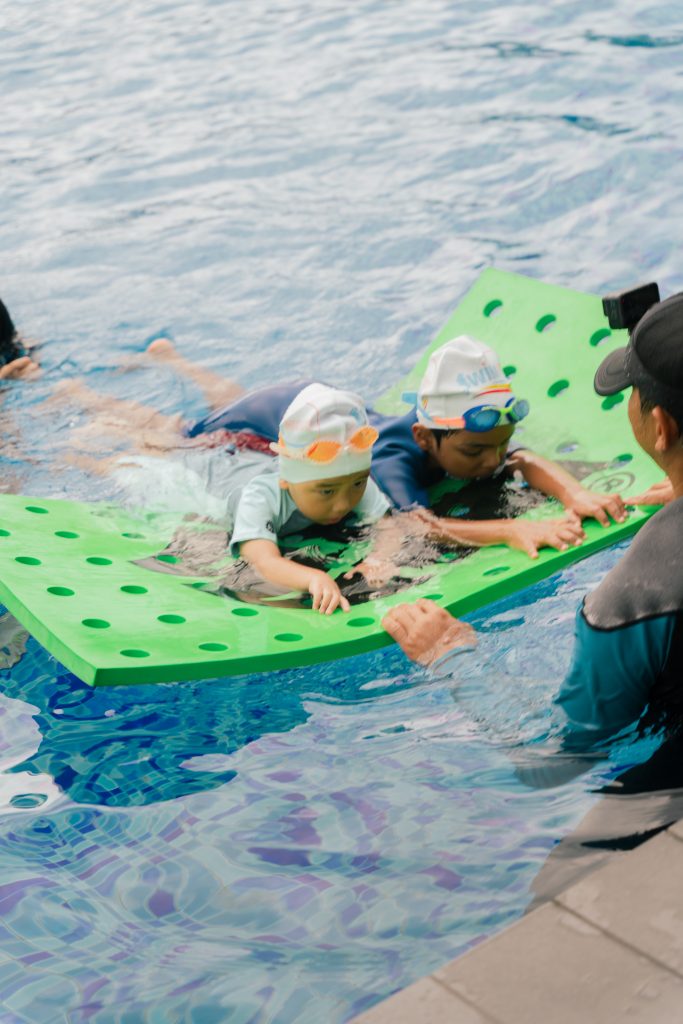
Many parents believe that having a lifeguard on duty makes swimming pools a safe choice for their kids. However, data from Singapore’s hospitals tells a different story. Research on child drownings shows that a staggering 83 percent of drowning incidents involving children occur in swimming pools. Surprisingly, only 2 percent of children who drowned in private pools were seen first by a lifeguard.
According to the KKH Child Injury Surveillance Report 2024, this should raise alarms for all parents. Even more startling is that 86 percent of drowning victims in Singapore are aged 7 and under, which is the age group that many families often think is too young for swimming lessons.
Table of Contents
How often do drownings happen in Singapore?
According to the KKH data covering the years from 2012 to 2023, incidents have been on the rise, climbing from 23 cases in 2012 to 48 recorded in 2017.
The World Health Organization also highlights that children under the age of 5 comprise nearly a quarter of all drowning deaths worldwide. Drowning has become the fourth leading cause of death for children aged 1 to 4. In Singapore, a decade-long study shows that the national drowning death rate ranges from 0.88 to 1.72 per 100,000 people, a figure similar to other developed countries that have comparable swimming facilities.
Where do these drownings typically take place?
Most of them happen in swimming pools, rather than in natural water bodies like the ocean or lakes. According to KKH statistics, out of 361 recorded drowning cases, 301, or 83 percent, occurred in swimming pools. This is a significant detail that might surprise many parents who often worry much more about beach outings than about the community pool they visit regularly.
A tragic example underscores this issue. In June 2024, a one-year-old boy fell into his family’s private pool while playing without supervision. His family did not notice his fall for ten minutes, and unfortunately, he did not survive.
Who finds the child, and how fast
This point often gets overlooked in swim school discussions, yet it’s crucial information for parents. In private pools, families are the primary safety net; only 2 percent of children were identified first by a lifeguard. This is because many private and condominium pools in Singapore don’t have lifeguards on duty at all. In public pools, even with lifeguards present, families still spot children in distress almost a third of the time.
Why age 7 and under is the highest risk window
The answer lies in their inability to both swim well and assess risk effectively. Children in this age group often lack the judgment to protect themselves in water, and this risk factor is at its peak before they turn 7. The WHO notes that young kids are particularly vulnerable due to their underdeveloped skills in swimming and an understanding of water safety.
What the data says actually works
According to WHO research, improving supervision in preschool daycares and providing basic swimming instruction could potentially prevent an estimated 774,000 child drowning deaths globally by 2050.
A study featured in Archives of Pediatrics and Adolescent Medicine and discussed in The Journal of Pediatrics found that kids aged 1 to 4 who participated in formal swimming lessons had an 88 percent lower chance of drowning than those who didn’t take lessons.
Closing The Gap Between Glances
When discussing swim lessons, we often notice a common pattern among parents. For instance, a parent may ask about the suitability of a Stage 1 SwimSafer program for their six-year-old, and then casually mention that their condo pool doesn’t have a lifeguard on weekday afternoons.
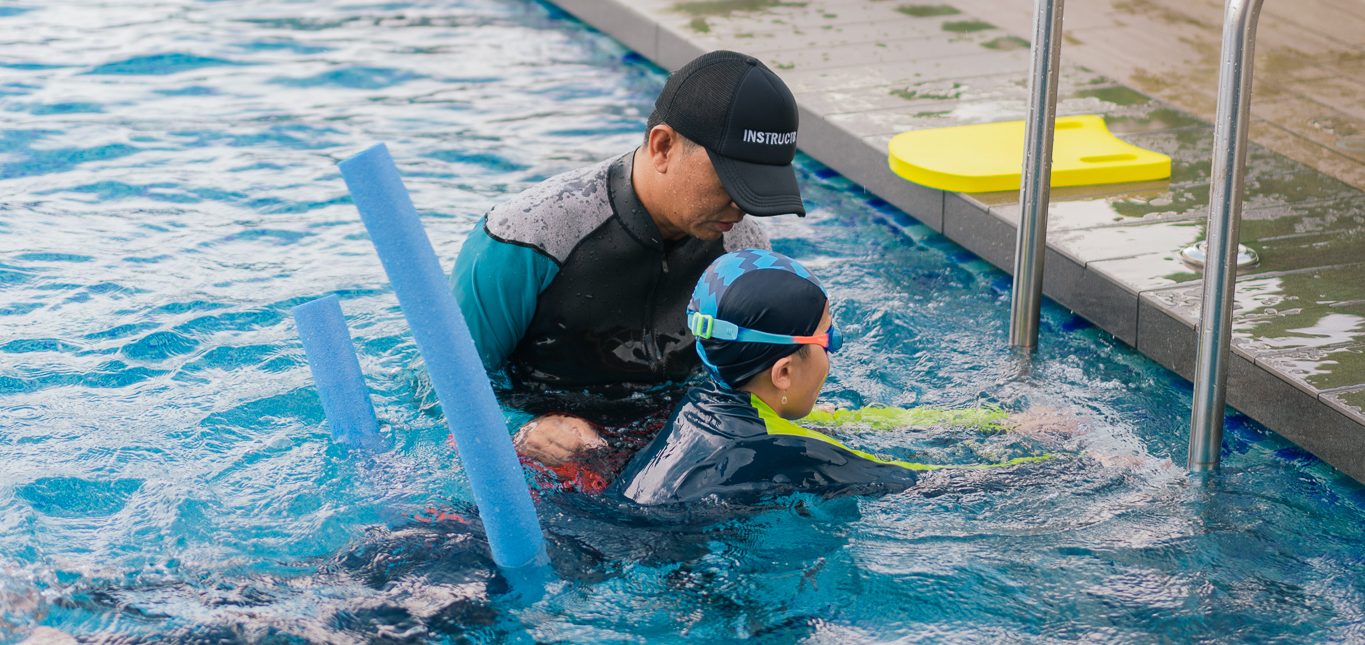
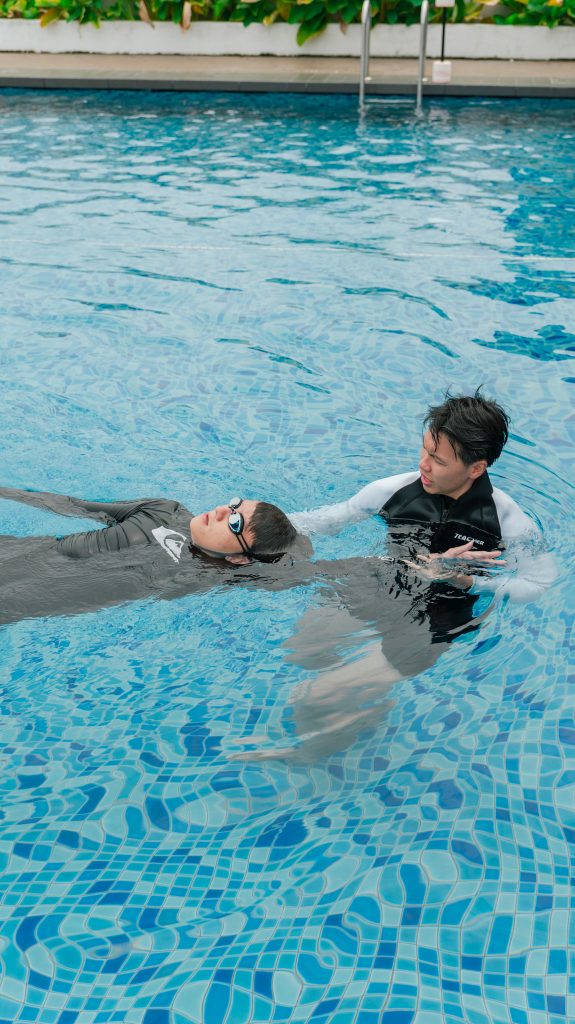
In our view, it’s vital to start assessing children’s swim readiness well before they hit age 7. Structured lessons can equip kids with skills like breath control, floating, and self-rescue techniques by the age of 5 or 6. For more detials, feel free to check out in here: kids swimming lessons.
This proactive approach can help close a safety gap that simple supervision can’t address, as nobody can keep watch over a pool every moment without missing crucial seconds.
Frequently Asked Questions:
Do condo pools in Singapore need lifeguards?
The rules can differ based on the pool’s size and management policies. Often, private residential pools may not have lifeguards on duty all the time. This is concerning since data shows that most drowning incidents in these pools involve family members being present.
Does knowing CPR improve the chances of survival in drowning situations?
Absolutely. Research indicates that children who get bystander CPR before paramedics arrive have a better chance of survival and recover with fewer long-term disabilities after non-fatal drownings.
Are life jackets enough if my child can’t swim?
Life jackets significantly lower the risk of drowning. However, they shouldn’t replace swimming skills or active supervision, as jackets can come off or be forgotten during casual visits to the pool.
What’s different about child drowning incidents compared to what most parents believe?
Many drownings are quiet and go unnoticed, contrary to the dramatic splashing shown in movies. In Singapore, there are cases where children have fallen into water and gone unnoticed for several minutes, even when parents are nearby.
San Htar is the SEO Specialist at Swimwerks Singapore, where she manages SEO and content strategy. With several years of experience in digital marketing across Southeast Asia, she has worked across SEO, paid media, and content for businesses in multiple industries. At Swimwerks, she focuses on creating content that helps people in Singapore can actually find the information they need when looking for swimming lessons for their kids and adults. Swimwerks is one of Singapore’s trusted swimming schools, with over 6 years of experience, more than 1,000 students coached, and a presence across 30 locations island-wide, from ActiveSG pools to condominiums across Singapore.