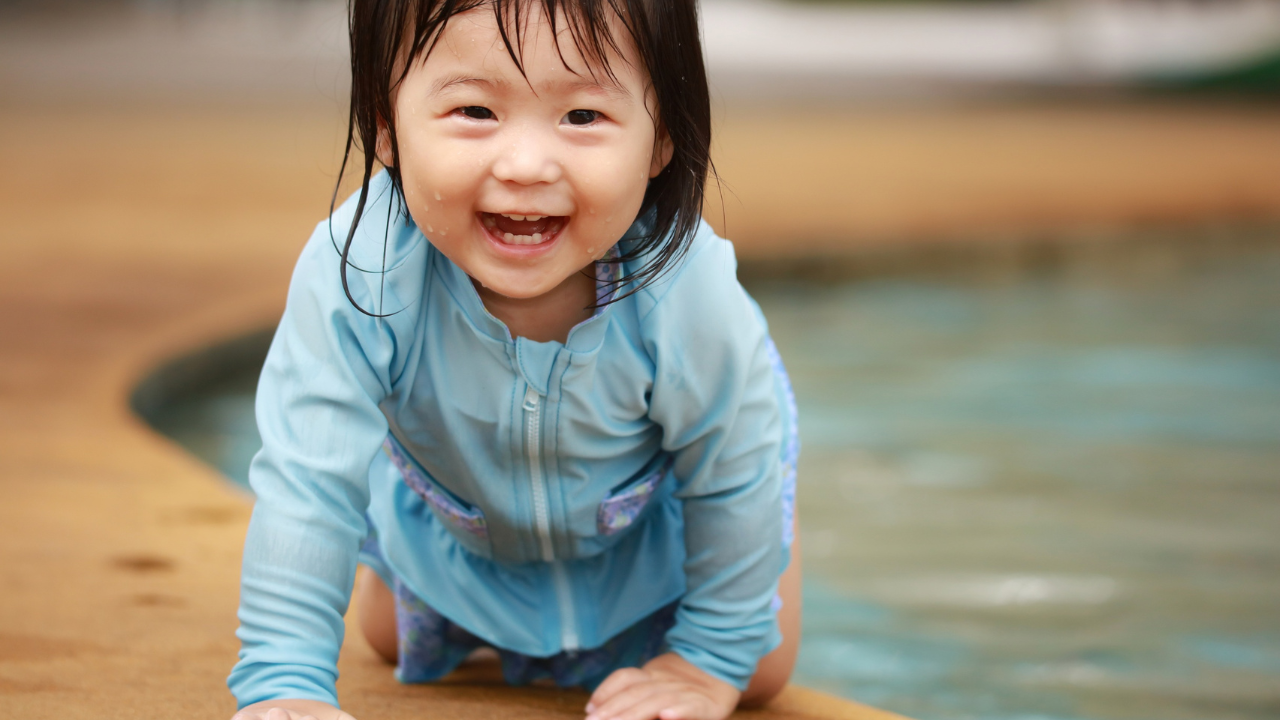

It might look simple to an adult, but climbing in and out of a pool is a big deal for a beginner. This is the very first thing a child needs to know. It is about safety.
Teaching a child to enter the water slowly prevents injuries. It also stops them from panicking if they slip. The best way to start is by having them sit on the edge of the pool. From a seated position, they can slide into the water gently. This helps them get used to the temperature and the feel of the water without a sudden splash.

Getting out is just as important. A child must know how to exit the pool on their own. If there are steps, teach them to use them. If there are no steps or ladders nearby, they need to know how to pull their own body weight up and out of the water.
You can practice this by having them hold the wall, push down with their hands, and lift their tummy onto the edge. Make sure your child is strong enough to do this alone.
For many young children, the scariest part of swimming is putting their face underwater. The fear of not being able to breathe can make them freeze up. That is why learning how to control their breath is a must-have skill.
We breathe automatically on land, but in the water, we have to think about it. You can help your child get over their fear by teaching them to exhale underwater. We often call this “blowing bubbles.”
Here is a simple way to practice this with your child:
This rhythm is the secret to swimming without getting tired. When they start learning strokes later, they will need to breathe out when their head is down and breathe in when their head is up. If they hold their breath, they will tire out very fast.
Floating is the ultimate survival skill. If a kid falls into the water by accident, floating can save them. It buys them time until someone can come to help.

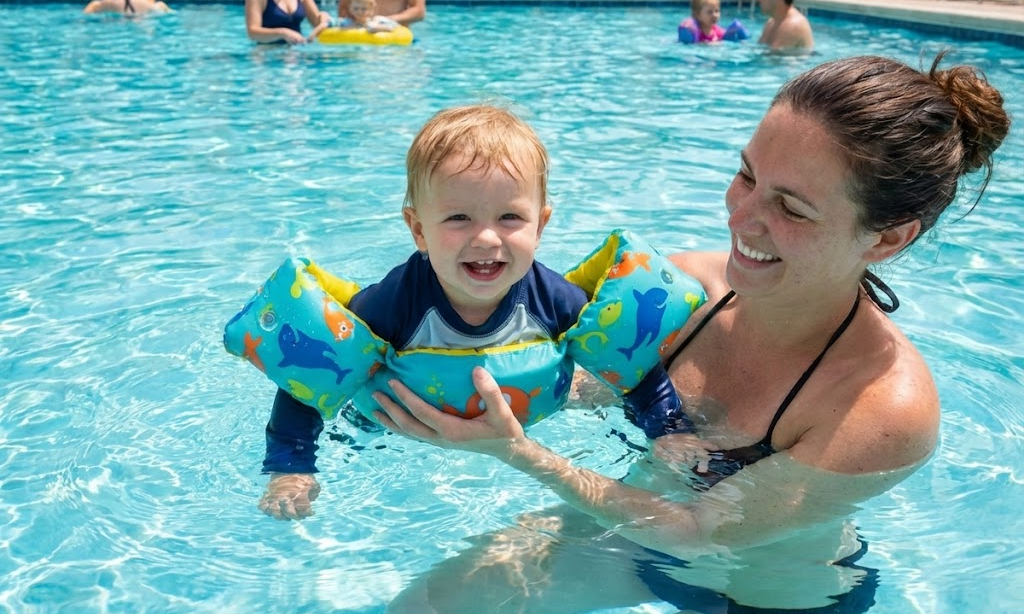
Floating on the back is usually the easiest place to start. It allows the child to keep their mouth and nose out of the water so they can breathe easily. When teaching this, start in shallow water. Support their back with your hands until they relax. The goal is for them to lie flat and still on the surface.
Once they are comfortable on their back, teach them how to tread water. This keeps their head above the surface while they are in an upright position. The trick here is to move the legs in a bicycle motion. At the same time, they should cup their hands and push against the water.
Swimming is a full-body workout. It requires the arms, legs, hips, and back to all work together. This can be tricky for children at first. You might see them chopping at the water or moving their arms and legs at the wrong times.
To move forward smoothly, a swimmer needs to synchronize their movements. The hands should cut through the water first and the rest of the body slides through after.

It takes time to get the feel of this. Beginners often struggle to keep their legs up while moving their arms. Learning to coordinate these limbs ensures that their head stays above water when it needs to. It also helps them move forward instead of just splashing in one spot.
If the arms are the steering wheel, the kick is the engine. Learning how to kick properly provides the power needed to move through the water.
A good kick is the foundation for almost every swimming stroke. Many beginners make the mistake of kicking from their knees. This creates a lot of splash but not much movement. A proper kick should start from the hips.

You can help your child practice this by having them hold onto the side of the pool. Let their body float up behind them. Have them keep their legs straight and their toes pointed. Then ask them to kick rapidly. The water should bubble like a pot, but their feet should stay mostly underwater.
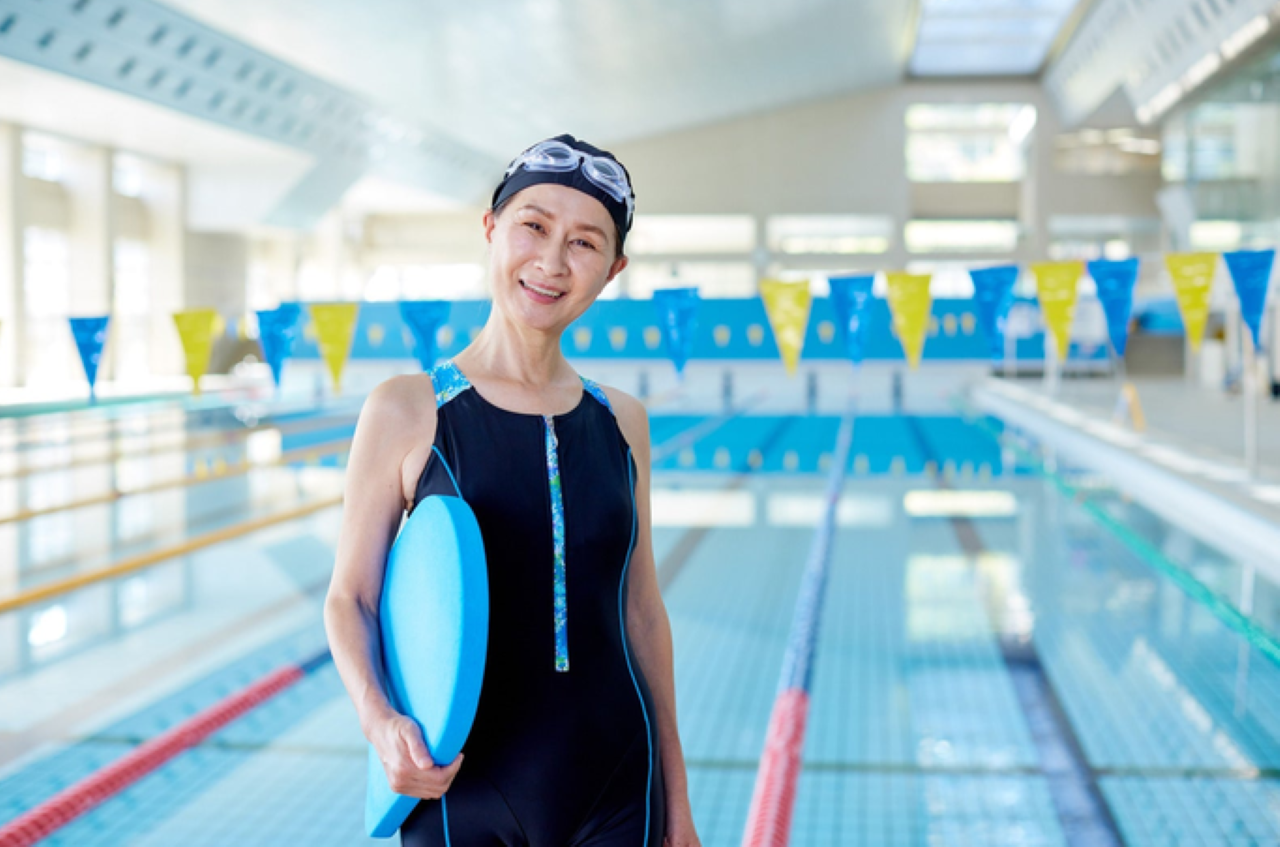
Using a kickboard is another great way to learn. It supports their upper body so they can focus entirely on what their legs are doing.
Once a child is comfortable getting in, breathing, floating, and kicking, they are ready to learn a stroke. The front crawl, also known as freestyle, is the best one to start with. It is stable and gentle.

Here is how to break down the front crawl for a beginner:
Everything needs to work together. The body should stay balanced and streamlined. After mastering the front crawl, your child will be able to glide through the water with ease.
Learning these skills takes patience and practice.
While parents can help with the basics, professional guidance ensures your child learns the correct techniques from day one.

If you are looking for a trusted place to start, Swimwerks is here to help. We are a premier swimming and lifeguard service provider in Singapore. We specialize in helping children and adults build water confidence and master proper swimming techniques.
At Swimwerks, we believe that swimming is for everyone. Whether your child is dipping their toes in for the first time or looking to refine their strokes, our experienced instructors are ready to guide them.
Visit us to learn more about our kids swimming lessons programs.
Let us help your child become a strong and confident swimmer today.

San Htar is the SEO Specialist at Swimwerks Singapore, where she manages SEO and content strategy. With several years of experience in digital marketing across Southeast Asia, she has worked across SEO, paid media, and content for businesses in multiple industries. At Swimwerks, she focuses on creating content that helps people in Singapore can actually find the information they need when looking for swimming lessons for their kids and adults. Swimwerks is one of Singapore’s trusted swimming schools, with over 6 years of experience, more than 1,000 students coached, and a presence across 30 locations island-wide, from ActiveSG pools to condominiums across Singapore.