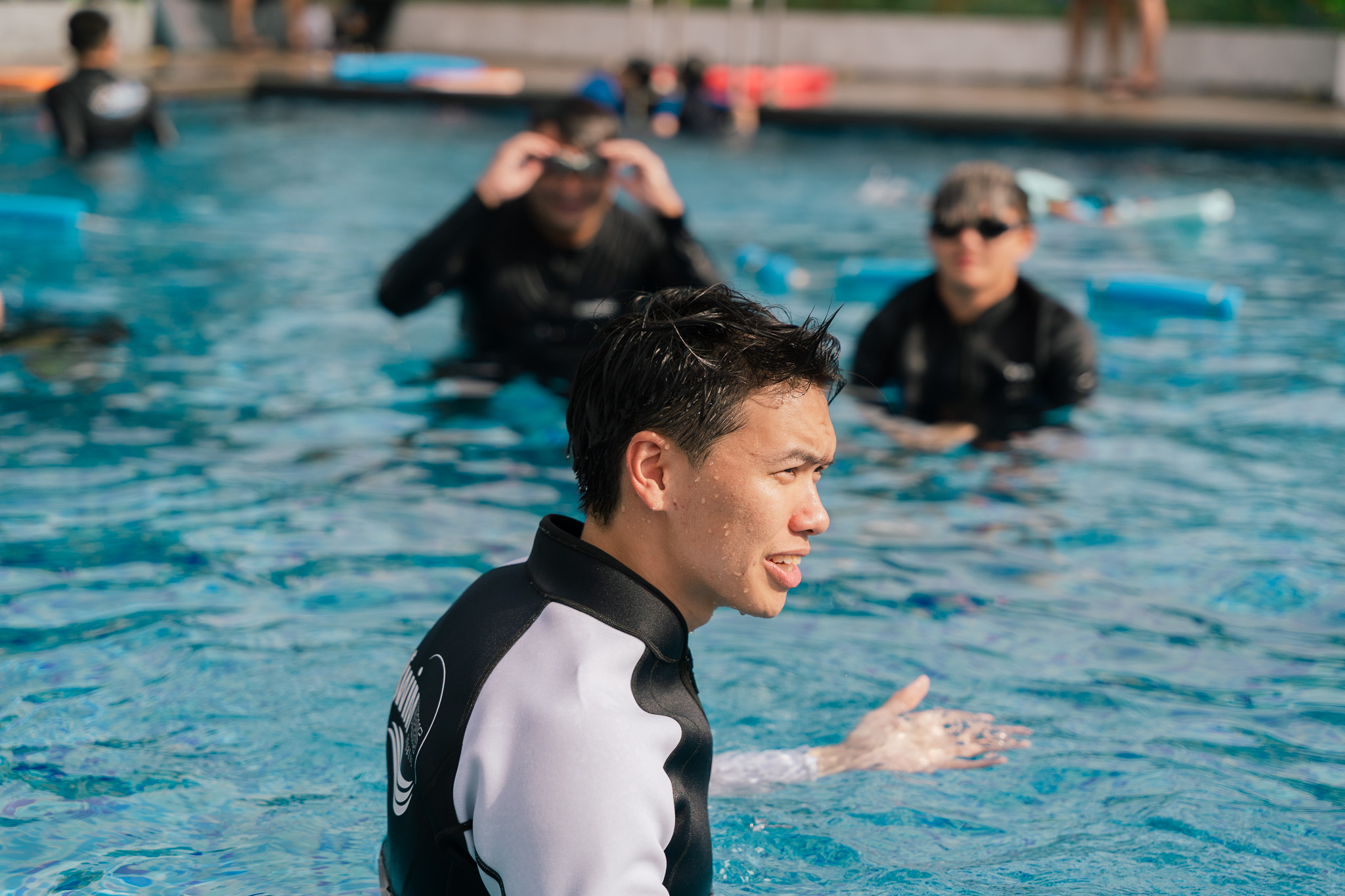
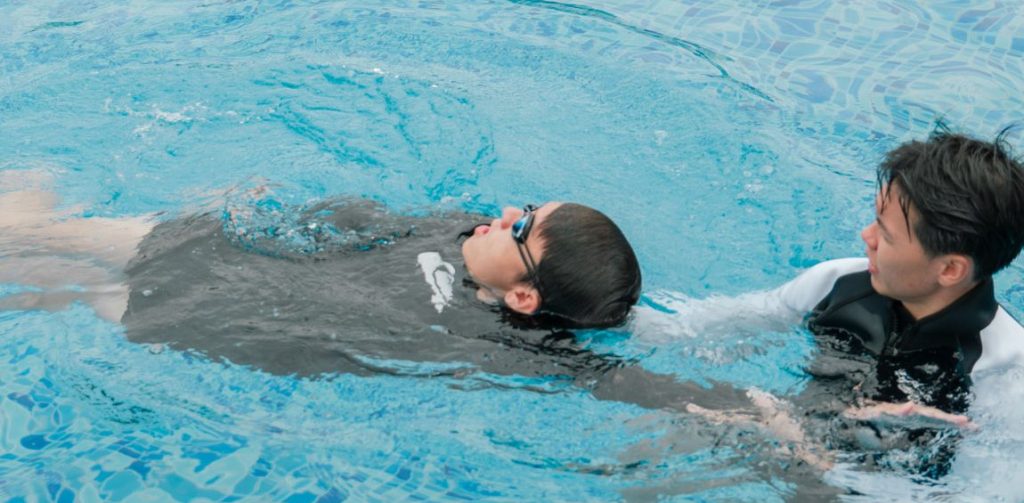
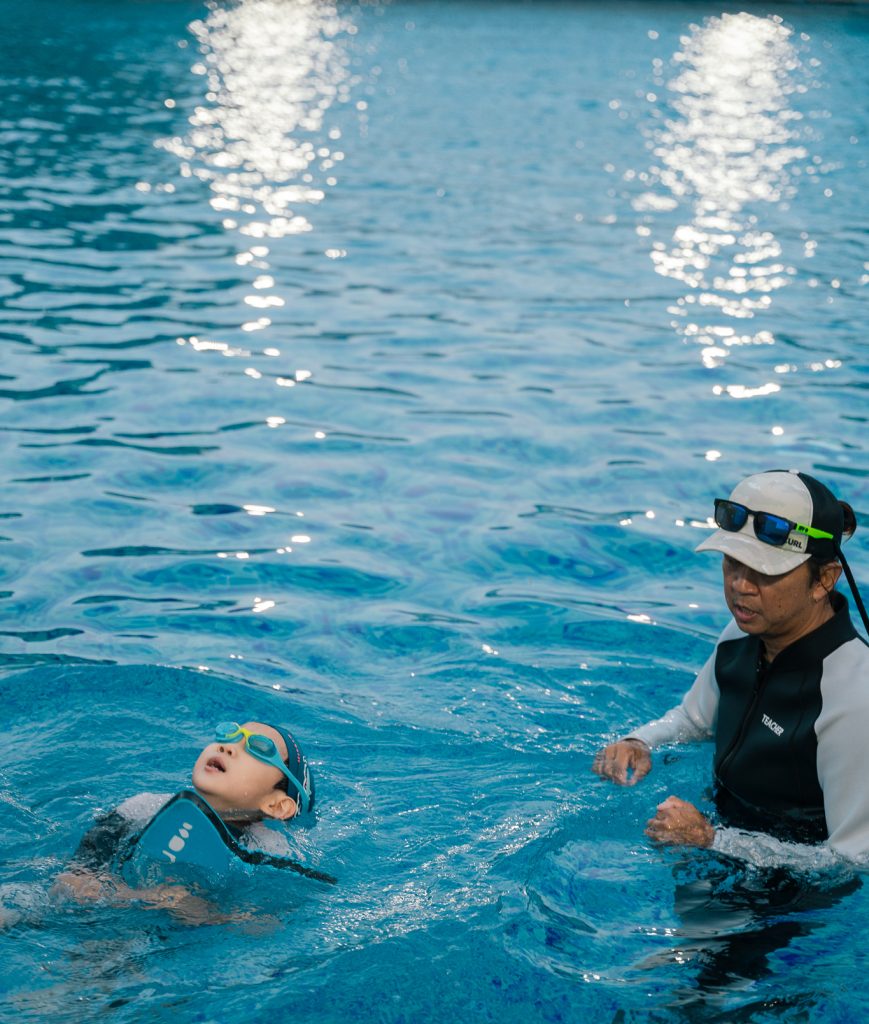
If you’re currently working as a swim instructor at a swim school earning between $35 and $50 an hour, you might want to consider freelance work. For instance, in Singapore, freelance instructors can make around $80 per hour. It’s worth noting that while the financial incentive is significant, jumping into freelance work without a proper plan can lead to burnout and issues with collecting payments.
This guide is aimed at instructors with about 2 to 3 years of experience who are looking for a straightforward way to transition into independent coaching.
Table of Contents
Is Freelancing Right for You?
It’s best suited for those with strong client relationships and self-discipline. Remember, it’s a different way of doing things, not a quick fix. If you’re running 20 sessions at $70 each, that adds up to about $5,600 monthly before expenses. A full schedule of 30 sessions could bring in over $8,000. Just keep in mind that you’ll be responsible for cancellations, bad weather, and losing clients.
What You Need Before You Start
Before you start taking private bookings, make sure you have three important things sorted out: a valid certification, NROC registration if necessary, and personal insurance.
Certification
- Private condo and swim school pools: AUSTSWIM, SSI(Swim Schools International), or STA(Swimming Teachers’ Association) certifications are accepted. NROC is not legally required.
- ActiveSG pools and MOE school programmes: NROC Full Membership is mandatory.
- Important to note that since July 1, 2024, CoachSG (under Sport Singapore) officially stopped accepting the Provisional route, so you’ll need to complete all requirements, including VPS and First Aid, before applying for Full Membership.
SwimSafer Accreditation
Only SwimSafer-accredited instructors can conduct national proficiency assessments and many Singapore parents specifically request this. It is a strong differentiator when pitching for private clients.
Insurance
If you’re an NROC member, you automatically get professional indemnity and public liability coverage. But if you’re teaching at private pools without NROC registration, you’ll need to get your own insurance. Remember, never teach a paid session without insurance in place!
Determining Your Rates
When it comes to setting rates for private one-on-one sessions at condominium pools, you can charge anywhere from $60 to $100 per hour. If you’re working with small groups, that can really boost your earnings.
Avoid the temptation to undercharge just to secure your first clients. Starting at $40 an hour can make it hard to raise your rates later on with the same clients. Base your rate on your certifications and experience from day one, not after you’ve done several sessions.
Finding Your First Clients
Your initial clients will likely come from your existing network rather than online listings. Once you resign from your current job, many parents who appreciated your teaching may reach out to you. Be open and honest with your employer during your transition; never approach students while still employed.
Beyond referrals, establish a basic presence that potential clients can find. Creating an Instagram profile with short videos demonstrating techniques, along with a Google Business listing and a profile on platforms like Carousell or Superprof can help. Clearly state your hourly rates, locations where you can teach, and showcase milestones of your students (with their parents’ consent).
Condominium management offices can also be a valuable resource. Sending them a simple one-page PDF that outlines your certifications and rates can cost you nothing and help you reach potential clients in estates with a large number of units.
Biggest Mistakes New Freelancers Make
Many new freelance instructors struggle more with admin work and positioning than with teaching itself.
- First off, not having a cancellation policy is a major issue. Since cancellations happen all the time, if you don’t have a rule in place, you’ll lose money for those missed hours. It’s smart to ask for a 24-hour notice and charge a fee for late cancellations.
- Another mistake is undercharging at the beginning. Setting low rates might pull in clients initially, but they’ll often jump ship for a cheaper option.
- Sticking to just one pool can limit your client base and scheduling flexibility, so experienced freelancers usually work at three to five pools.
- Also, be mindful of seasonal income drops and gaps during holidays, as these can cut your earnings by 30 to 50%. It’s a good idea to save up a two-month income buffer before going independent.
- Lastly, don’t let your NROC credentials expire. You need to renew every three years by completing 15 hours of coaching practice and education to maintain your access to ActiveSG pools.
The Swimwerks Perspective
Successful freelance instructors often view their work as a business from the get-go. This involves having structured rates, written agreements, and focusing on ongoing development.
Starting out completely on your own can lead to financial risks, so consider partnering with an established academy for referral support or sub-contracting opportunities within structured programs, which can provide a more reliable income during those uncertain early months.
Swimwerks provides a collaborative framework for qualified instructors who want autonomy while also having access to a network of clients and venues. For more information, check out swimwerks.com.sg.
frequently asked questions
Do I need to register a business to freelance as a swim instructor?
No, you can freelance under your NRIC and declare your earnings to IRAS each year. You only need to register a business if you intend to hire staff or scale significantly.
How many sessions do I need to match my current salary?
If your monthly salary is $3,500 and you charge $75 for freelance sessions, you’ll need approximately 47 sessions a month (that’s about 12 a week). To account for cancellations, aim for about 15 to 18 sessions weekly for a stable income.
Can I teach at ActiveSG pools as a freelancer?
Yes, but only if you have Full Membership with NROC. Private condominium pools don’t require NROC but do ask for proof of valid certifications and insurance.
What insurance do I need?
You’ll need to have both professional indemnity and public liability insurance. NROC members get this coverage automatically, but non-NROC instructors have to purchase it on their own, and it typically costs between $200 to $400 per year.
How should I handle rain cancellations?
Consider implementing a “rain credit” policy: instead of a refund for canceled outdoor sessions, offer to reschedule them within the same month. This way, you can protect your income while keeping your clients satisfied.
San Htar is the SEO Specialist at Swimwerks Singapore, where she manages SEO and content strategy. With several years of experience in digital marketing across Southeast Asia, she has worked across SEO, paid media, and content for businesses in multiple industries. At Swimwerks, she focuses on creating content that helps people in Singapore can actually find the information they need when looking for swimming lessons for their kids and adults. Swimwerks is one of Singapore’s trusted swimming schools, with over 6 years of experience, more than 1,000 students coached, and a presence across 30 locations island-wide, from ActiveSG pools to condominiums across Singapore.


