Most Singapore parents don’t struggle to find a swim school. They struggle to know if they’ve picked the right one, at the right stage, for the right price. With requirements like SwimSafer, the option between group and private lessons, and varying teaching styles, it can feel like a daunting task.
This guide will help break down the process in a logical way that matches parents’ needs, from knowing when to start lessons to the actual enrollment.
Table of Contents
When Should a Child Start Swimming Lessons?
Most kids are ready for structured swimming lessons between the ages of 4 and 6. At this age, they can usually follow simple instructions and have the ability to hold their breath when told. However, parents can start familiarizing their kids with water much earlier, even as young as 6 months. That said, actual stroke development typically doesn’t stick until the child is about 4 years old.
If a child starts swimming lessons later, perhaps at 7 or 8, that’s okay too. In fact, they often advance through the SwimSafer stages more quickly because they generally have better coordination and breath control.
Understanding the SwimSafer Programme
SwimSafer is Singapore’s national water competency program, approved by the Ministry of Education (MOE), and is taught in schools across the country. It has six stages, and knowing which stage your child is in helps you determine the next steps in their lessons.
Here’s a quick overview of the SwimSafer stages and what kids typically focus on:
| Stage | Focus | Typical Age |
|---|---|---|
| Stage 1 | Gaining water confidence and breath control | 5 to 6 |
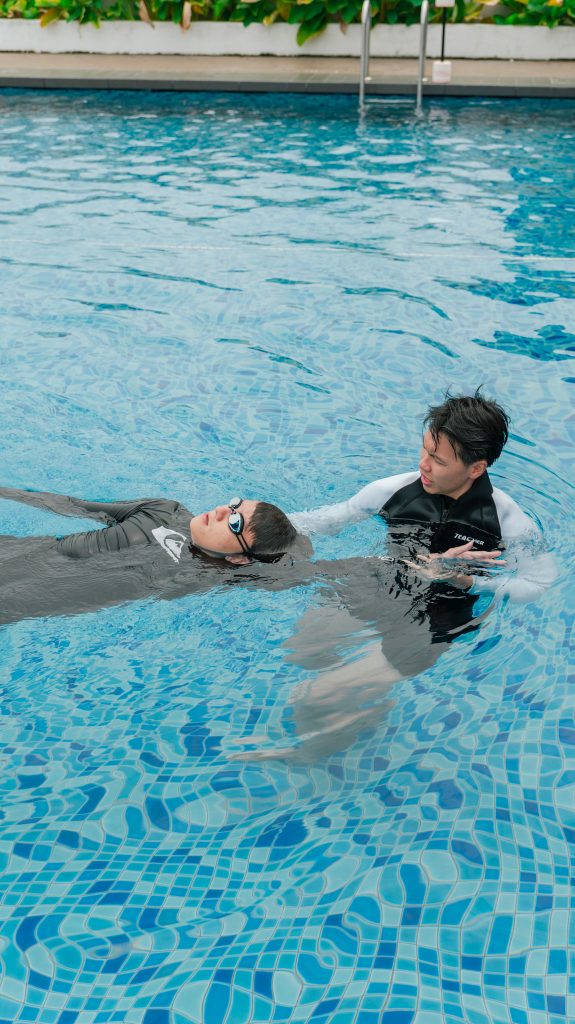
| Stage 2 | Basic floating and gliding | 6 to 7 |
| Stage 3 | Introduction to front and back stroke basics | 7 to 8 |
| Stage 4 | Refining strokes and learning to tread water | 8 to 9 |
| Stage 5 | Building endurance and survival skills | 9 to 10 |
| Stage 6 | Learning rescue skills and sustained swimming | 10 to 12 |
Children who have never taken lessons before typically start at Stage 1, regardless of their age. Their progress will largely depend on how often they attend lessons and how much time they spend in the water outside of class.
Group Lessons vs Private Lessons
Choosing between group and private lessons isn’t just about the budget; it should be based on what works best for your child.
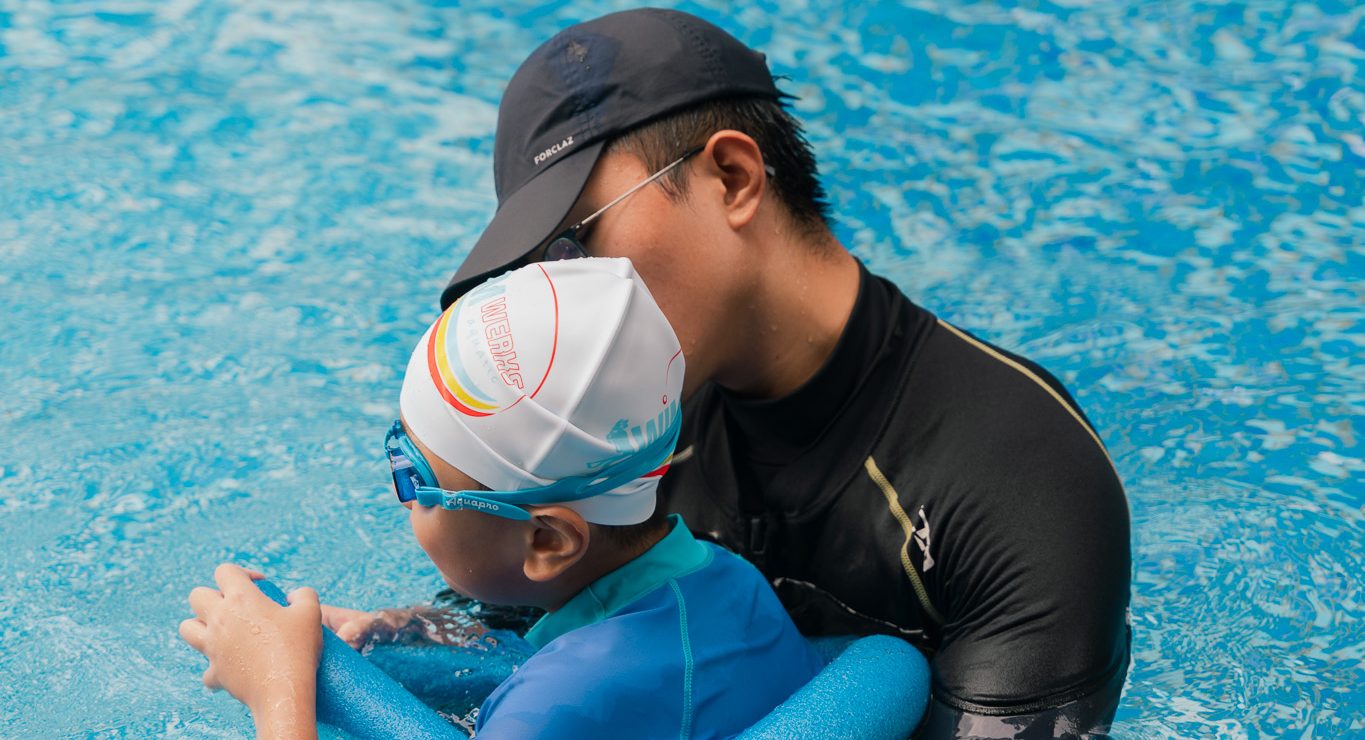
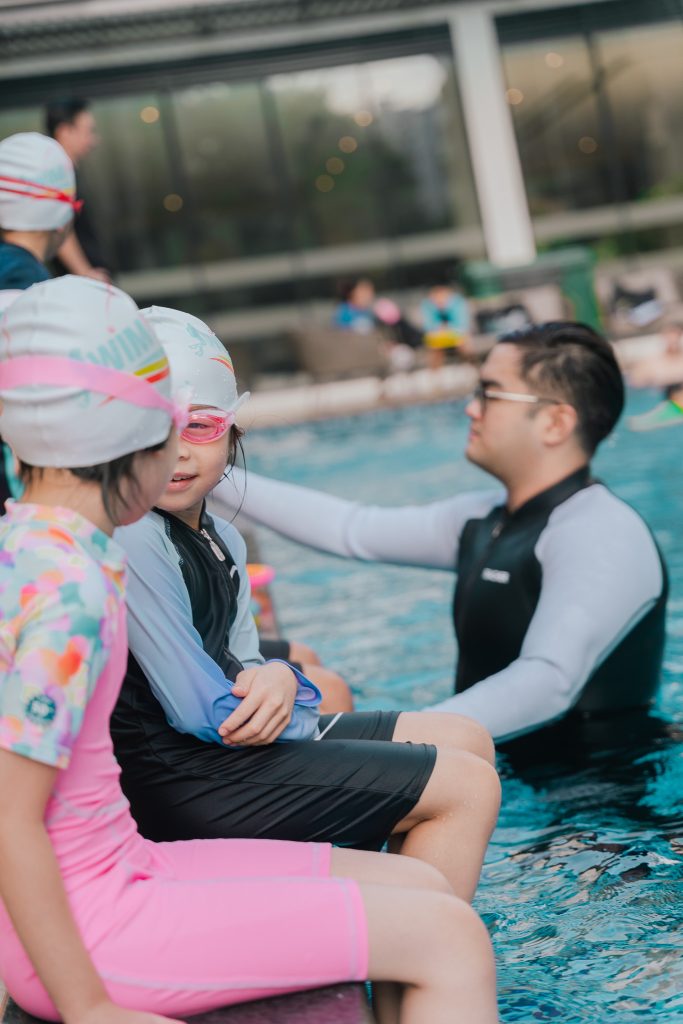
Group lessons are a great option for kids who learn well socially and for families looking to save on costs. Classes usually consist of 4 to 6 children per instructor, which helps keep prices down but means each child may get less individual feedback during the session.
On the other hand, private lessons are more suited for kids who may be anxious about water, those who learn quickly and need to keep pace with their own development, or families with varying schedules. With one-on-one lessons, instructors can offer immediate feedback, often leading to quicker advancement through the SwimSafer stages.
Public Pool vs Condo Pool vs Private Facility
The setting for lessons is just as important as the instructor. ActiveSG public pools are budget-friendly and generally have good availability, but supervision can vary during busier times. Condominium pools offer convenience and smaller crowds, but their safety standards depend on the building itself. Private swimming schools provide consistent water quality, controlled class sizes, and dedicated supervision, which is particularly important for younger or more nervous swimmers.
How to Choose a Swimming Instructor
Before deciding on a swim school, make sure to check the following six things about the instructor:
1. Certification from NROC or a similar body
2. Up-to-date First Aid and CPR training
3. The coach-to-student ratio, especially in group lessons
4. Availability of trial lessons prior to enrolling
5. How progress will be communicated to parents
6. Whether the instructor focuses specifically on SwimSafer benchmarks
What Kids Swimming Lessons Cost in Singapore
Cost is typically the second biggest concern for parents, right after age readiness. Group lessons usually have a lower cost per session compared to private lessons. However, private lessons might require fewer total sessions to reach the same SwimSafer level. The fees usually cover the time spent coaching and access to the pool, but parents should be prepared to buy swimwear, goggles, and swim caps separately.
For a detailed breakdown of lesson fees and what to expect, check out Our Swimming Lesson Fees In Singapore | Cost guide.
What to Bring to the First Lesson
Here’s a checklist of what to bring for the first lesson:
- A well-fitting swimsuit
- Swim goggles (for children under 4, goggles are optional)
- A swim cap
- A towel
- A water bottle
- Flip-flops or pool sandals
- A change of dry clothes
It’s best to arrive 10 to 15 minutes early to avoid stressing your child out right before they get in the water.
Tracking Progress and Knowing When to Move Up
When checking on your child’s progress, ask for specifics about which skills are being evaluated each term. A good sign that a child is ready to move up a level is if they consistently demonstrate the core skill from their current stage during several sessions, not just an isolated good class.
How to Enrol
Many parents spend a lot of time comparing schools in their area, but we suggest starting with swimming lessons instead. Just a 30-minute lesson can give you a better sense of how your child reacts than a week of research.
At Swimwerks, we always recommend that parents sign up for two sessions a week during the first month. Then, you can adjust the schedule as needed. The key is to find a program that works for your family. If you’re ready to dive in, check out our kids’ swimming lessons at Swimwerks to find the right class for your child’s age and skill level!
Frequently Asked Questions:
What age should my child start swimming lessons in Singapore?
Most children are ready for lessons between 4 and 6 years old, but you can always introduce them to water earlier.
How long does it take a child to complete SwimSafer?
This varies depending on how often they attend lessons and where they start. Consistent lessons usually help them move through the stages every few months.
How much do kids swimming lessons cost in Singapore?
Group lessons usually cost less per session compared to private lessons, but private lessons may require fewer overall sessions to reach similar skill levels.
Is SwimSafer mandatory in Singapore?
SwimSafer is taught in schools and recognized by the MOE, but enrolling in a private swim school is optional and based on family preference.
San Htar is the SEO Specialist at Swimwerks Singapore, where she manages SEO and content strategy. With several years of experience in digital marketing across Southeast Asia, she has worked across SEO, paid media, and content for businesses in multiple industries. At Swimwerks, she focuses on creating content that helps people in Singapore can actually find the information they need when looking for swimming lessons for their kids and adults. Swimwerks is one of Singapore’s trusted swimming schools, with over 6 years of experience, more than 1,000 students coached, and a presence across 30 locations island-wide, from ActiveSG pools to condominiums across Singapore.