
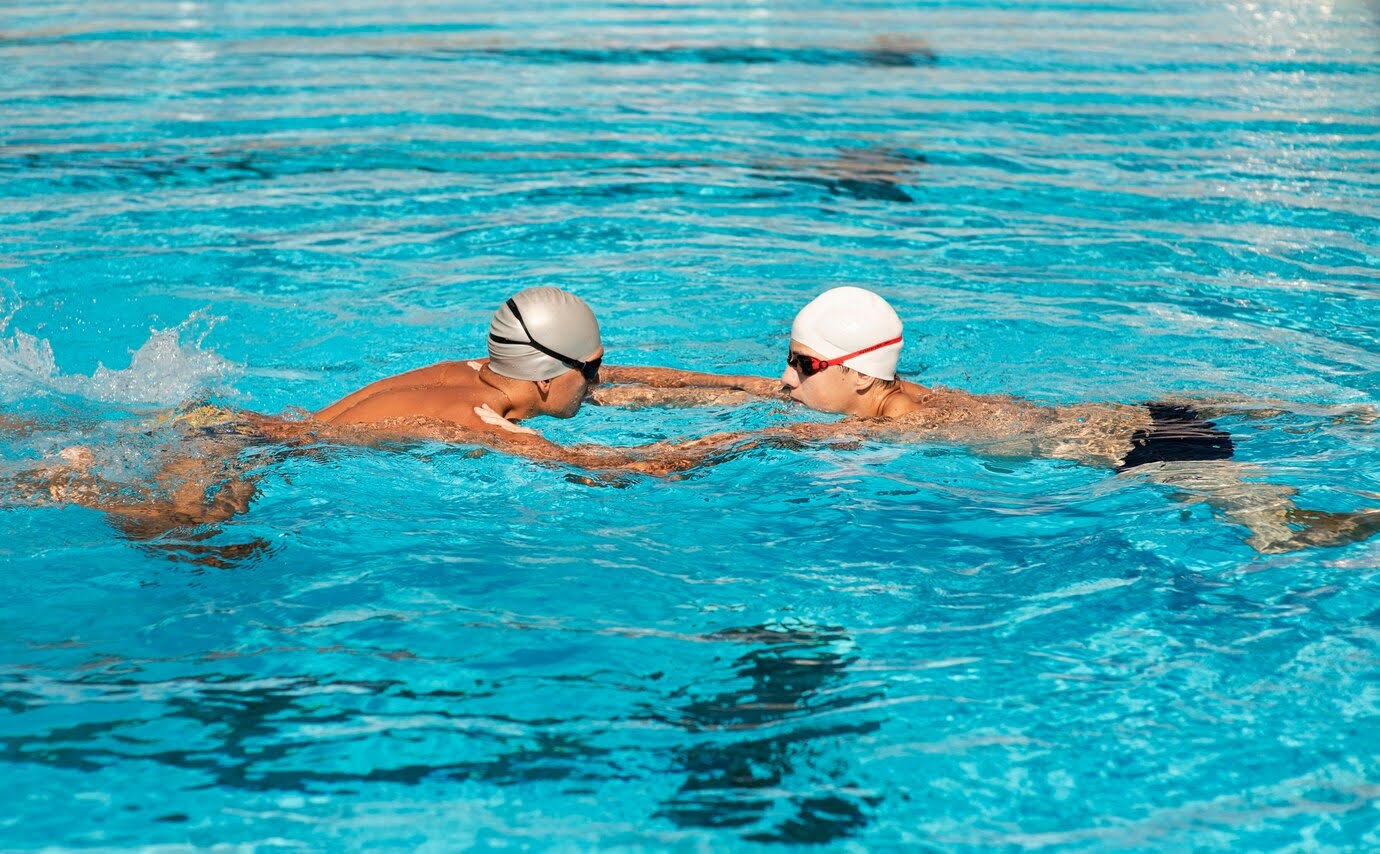
Before approaching the pool, consider what you want to achieve.
Your reason for learning will influence the type of lessons you need and how you approach your overall progress. Some adults want to learn the basics of water safety, while others want to improve their fitness.
Clear goals can help you stay focused and consistent throughout your progress. For example, if your primary objective is to build a strong foundation, you may benefit from spending time learning how to float.
On that note, you can also expect your goals to change as your skills develop further!
While swimming can greatly improve your fitness, you don’t need to be extremely fit before you begin.
If you have zero experience in the water, swimming may feel tiring at first because your body is learning new movements or using muscles you’re not used to.
So, start at a comfortable level and give yourself enough time to adapt. As your abilities improve, you may swim for longer without feeling too tired!
With better technique, you’ll also learn how to use your energy more efficiently.
However, fitness should not be the only measure of progress. Celebrating small wins, like being able to control your breathing and move with confidence, is important to building confidence in beginner adult swimmers!
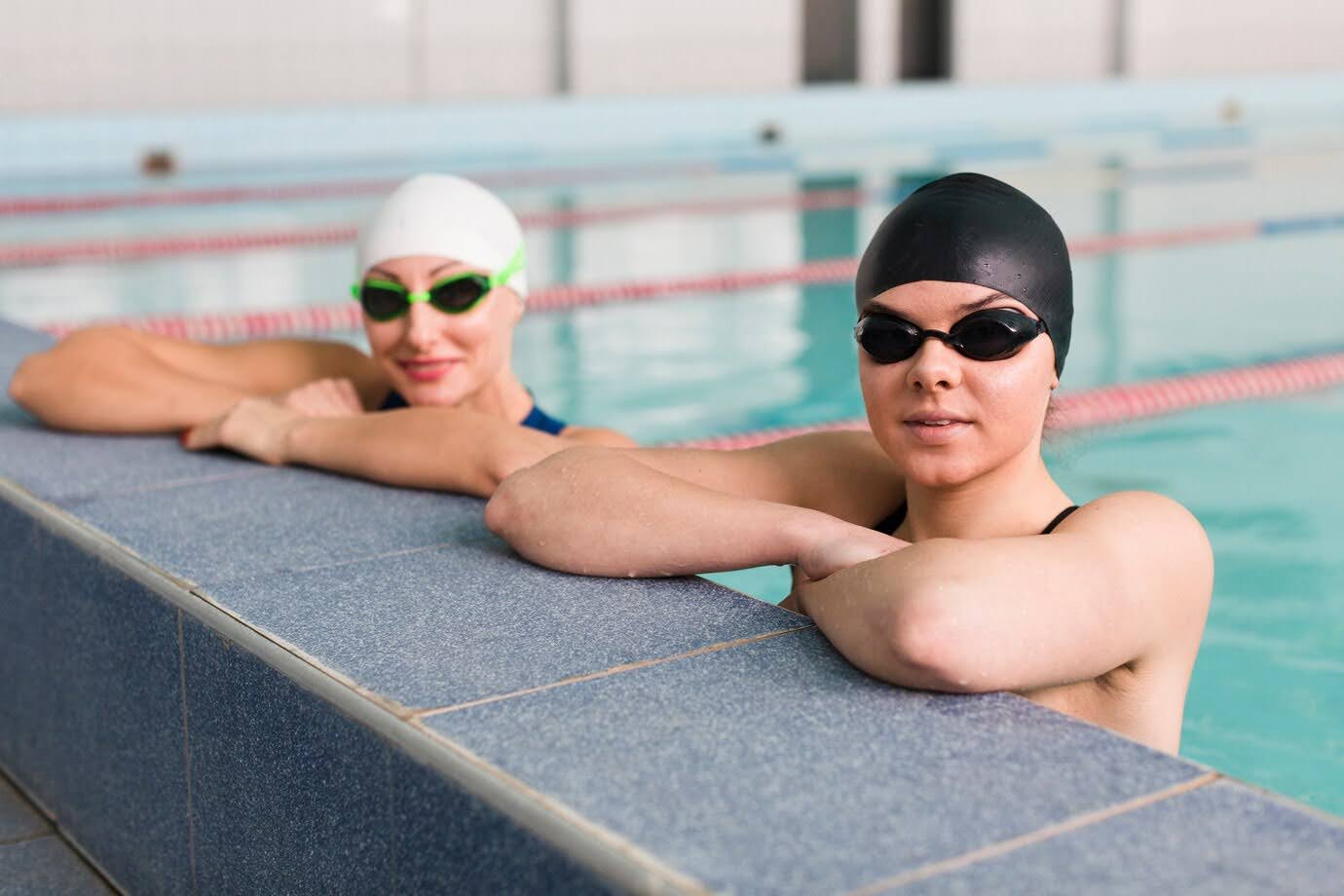
Safety should always be part of any swimmer’s journey.
Firstly, try not to treat the pool as a place to test your limits alone. Try to practise in a safe environment where help is readily available.
Adult learners should also stay in a depth that matches their swimming experience. If you’re unsure, a general rule to follow is to avoid deep waters and swim safely in the shallow end.
Besides swimming skills, be sure to learn about basic water safety as well!
Knowing what to do in emergency situations can be extremely valuable — even experienced swimmers need to stay vigilant when in the water.
Lastly, pay attention to the water condition. Swimming in an open water is very different than swimming in a controlled pool environment. As a beginner, you’ll want to avoid open waters until you are confident in your abilities.
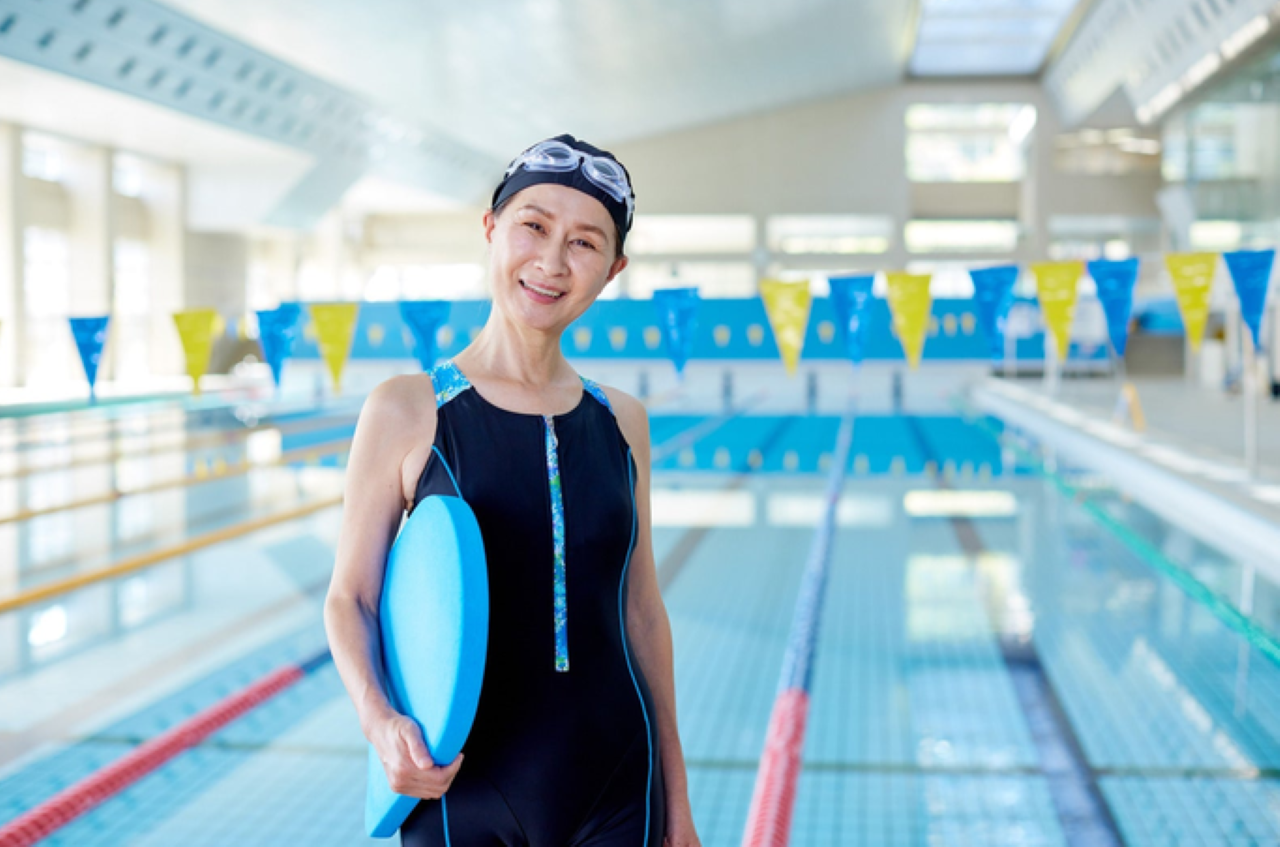
While age shouldn’t stop you from learning to swim, it is worth taking your age and physical condition into account.
Elderly individuals will have different needs when it comes to strength, balance, flexibility, and recovery. Considering these factors can make the overall learning process safer and more comfortable.
For senior-aged swimmers, the focus should be on building confidence and progress at a pace that feels manageable for the body.
It is also important to take note of an existing health conditions or physical limitations. While swimming is generally safe, there are a few things you can do to keep the experience low risk:
Check with your doctor before starting any new exercise routine
Swim in covered pools to protect against UV exposure and avoid overheating
Stay hydrated before and after swimming
Swim with a certified coach
Use pool steps to enter instead of the ladder
Wear non-slip water shoes for added safety
Overall, older beginners should focus more on consistency rather than intensity.
Before worrying about how to perfect swimming strokes, it is helpful to understand body awareness in the water.
Mastering floating should be one of the very first goals for adult learners. In fact, you may even be surprised to find that floating in the water is easier than expected.
Floating can help make you more comfortable and even reduce the fear that comes from feeling unsupported.
Start your floating practice in a shallow, calm pool environment. If you find yourself especially nervous, you’re more than welcome to use a flotation aid!
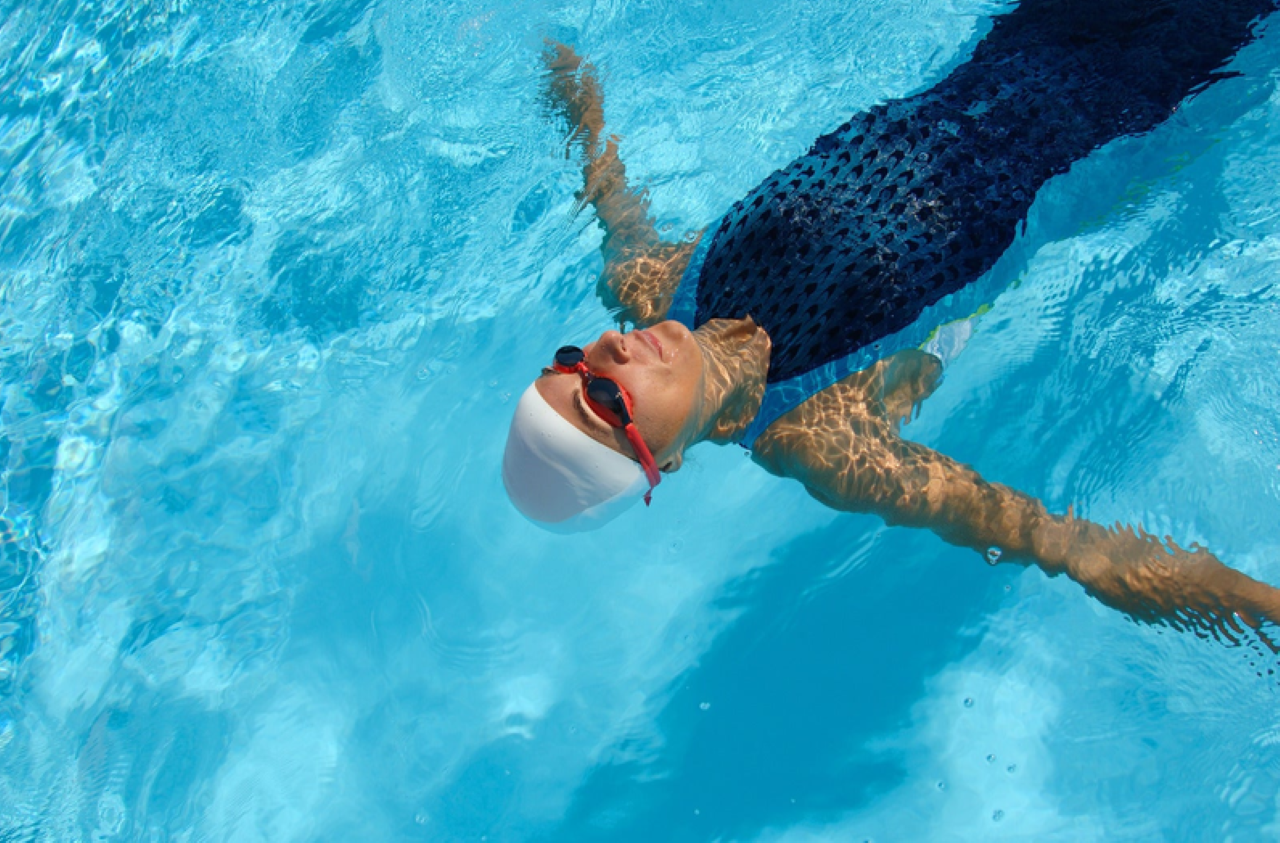
To float on your back, you just need to lay your body horizontally across the water’s surface, keep your arms outstretched to the side, and allow your body to relax. The more you let go of the tension, the easier it will be to float.
On the other hand, a front float involves placing your face in the water and keeping your body in a straight alignment. Though this can be intimidating at first, your body will adjust to the sensation with more practice.
Overall, trusting the water and your ability to float is key. It teaches you that the water will support you as you build the confidence needed for other swimming techniques!
Proper breathing and control are a foundational aspect of learning how to swim.
While breathing comes naturally above ground, you’ll need to know how to coordinate your breathing with your movements in the water.
This can feel awkward at first, but breath control, like basic water comfort or body balance, is essential for any aspiring swimmer!
For instance, beginners often hold their breathe as soon as their face enters the water and quickly lift their head to breathe. This can interrupt their body position and make swimming more harder than it needs to be.
Rhythmic breathing or simply learning to breath calmly can help you stay calm and relaxed while swimming. There are also plenty of exercises that can help you become familiar with proper breathing techniques.
Over time, breathing won’t be something you consciously think about and will become a natural part of your swimming rhythm!
One big challenge many adult swimmers face when learning to swim is becoming comfortable in the water.
Whether you have previously experienced a frightening incident in the past or you lack enough exposure to water, it is completely normal to feel nervous.
The good news is that feeling fear does not mean you’re incapable of learning to swim properly, and it is something you can overcome gradually.
The key is to avoid forcing yourself into overwhelming situations, which is especially important if you have water anxiety.
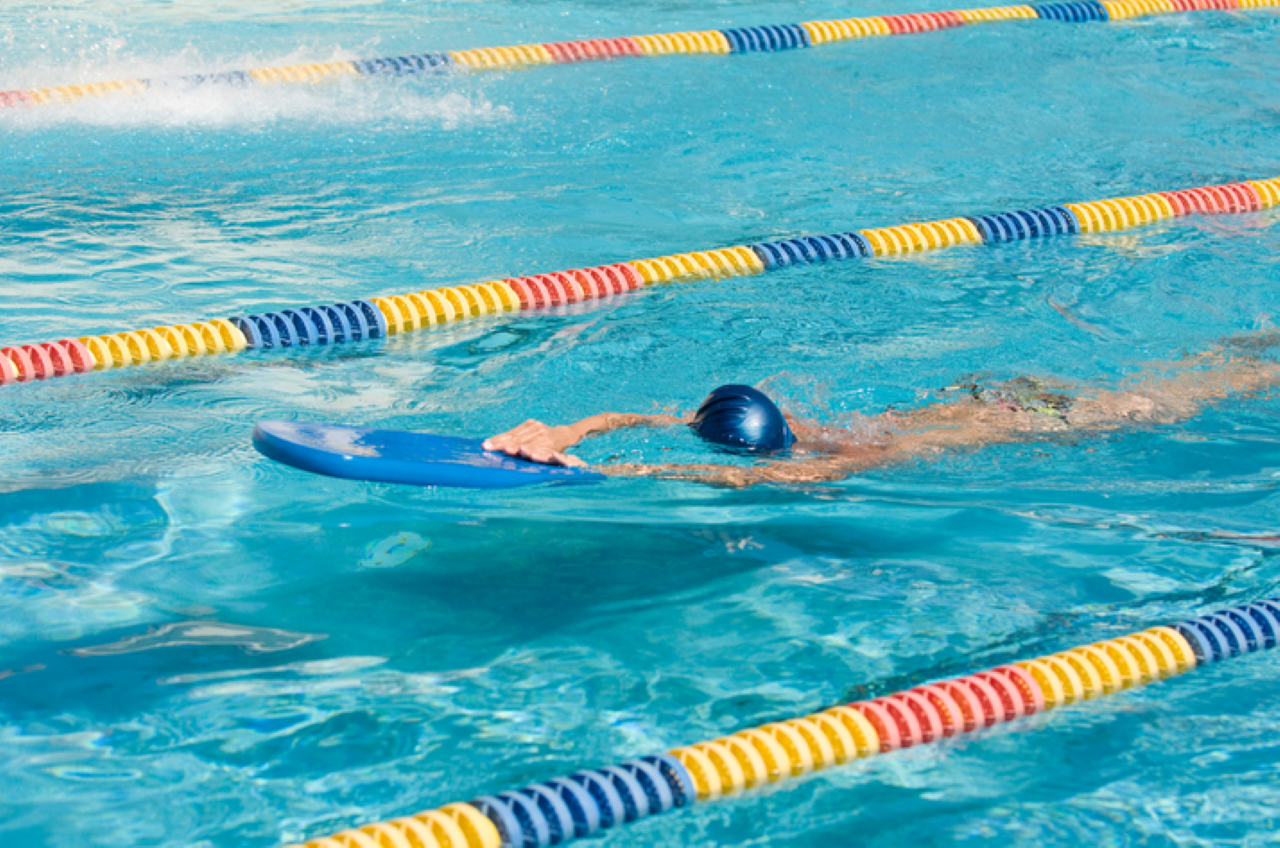
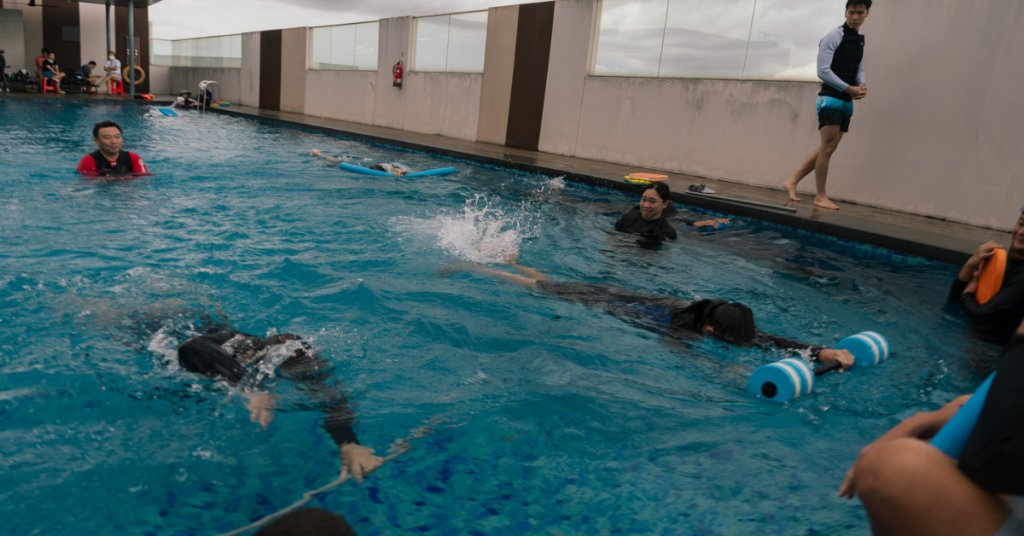
Take small, manageable steps instead. You can start with just submerging your face or blowing bubbles to familiarise with being underwater. You can even use floating devices like a kickboard or a pool noodle for extra buoyancy.
As your confidence grows little by little, you’ll find that your fear will diminish, and swimming becomes much less daunting.
Although it is possible to teach yourself the basics, enrolling in swimming lessons can significantly accelerate your progress without peer pressure.
Whether through group adult lessons or private lessons, working with professional coaches can make a big difference, especially if you have fears or specific challenges.
To maximise your sessions, it’s best to look for swim schools that cater to training adults, like Swimwerks, for example!
No matter what your goals are, a trained instructor can help you address your needs in a supportive environment.
One question any beginner swimmer will wonder is how long it will take to learn to swim.
While there is no single realistic timeline that applies to everyone, most adults can gain basic skills in around 6 to 10 weeks. When it comes to swimming short distances, some adults may need even several more weeks of lessons to learn.
For example, at Swimwerks, you can aim to swim a continuous 25 metres in just 10 to 12 weeks!
If you have water anxiety, you may need 12 to 16 sessions, where the first few lessons are focused on building confidence.
All in all, progress is dependent on factors such as:
How consistent you are with practice
Your comfort level in the water
The format of your lessons
A sure way to gradually improve is through consistent practice. It’s better to have frequent short sessions rather than infrequent long ones every few weeks.
Once you’ve achieved optimal water comfort and control, you’ll be able to pick up other swimming skills and progress faster.
Countless studies point to extensive health benefits, especially for senior swimmers! Let’s take a look at some of them:
Unlike jogging or brisk walking, regular swimming provides meaningful cardiovascular conditioning but without all the stress.
This makes it a perfect low-impact exercise for individuals with arthritic joints.
As we grow older, lung tissue can become less elastic, and muscles that control breathing may weaken.
Swimming helps address these issues. It can even boost your lung capacity!
So if you find yourself feeling short of breath during everyday activities, consider giving swimming a try.
When you do dryland exercise, there are risks of falls. This is a major cause of injury and hospitalisation for older individuals in Singapore.
Since you’re swimming in the water, the risk of falling is reduced significantly. You can even enhance balance, coordination, and body awareness while you’re at it.
On top of benefits to physical health, swimming can also improve depression and anxiety symptoms in adults. It can also lead to deeper, restful sleep patterns!
Additionally, since loneliness is a growing issue for the elderly in Singapore, swimming classes provide a structured way to connect with others.
If you don’t know where to start in swimming, you don’t need to figure it out alone.
At Swimwerks, adult learners can work on the fundamentals in a structured environment designed to support swimmers at any level!
Our adult swimming lessons are taught in small sizes, so that every student will received tailored guidance and on-the-spot feedback.
What’s more, all of Swimwerks’ professional coaches are NROC and SSI-certified, as well as trained in Standard First Aid and CPR certification.
You don’t need to wait until you feel completely confident to start your first lesson with us! Contact us today and find out how we can support you through your swimming journey.