
How to Stay Safe in Water: 4 Benefits of Having a Lifeguard On Board

top tips for how to stay safe in water

Water Safety Basics Every Swimmer Should Know

1. Build swimming ability and water confidence

Swimming is one of the most effective defences against drowning, and real swimming ability goes beyond stroke technique.

Learning to float and tread water are survival skills in their own right, as these can buy a swimmer time to steady themselves instead of thrashing. Proper breathing techniques help too — a swimmer who exhales steadily underwater can stay calm.

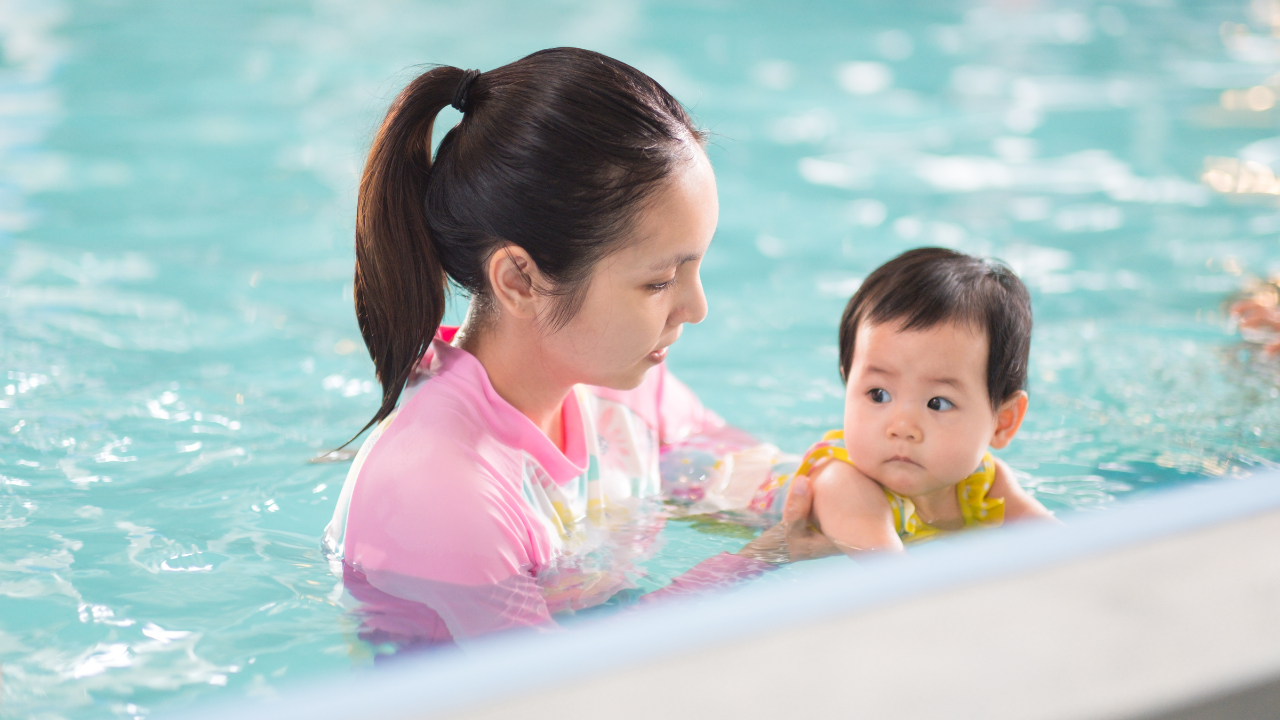
For children, formal swim lessons follow the national programme, SwimSafer 2.0, which runs across six stages pairing swimming proficiency with water survival skills, and is regarded as one of the best water safety resources.

Structured kids swimming lessons follow the same logic, in small groups with enough repetition for a child to build real confidence.

Adults who have never learned swimming don’t need to worry either. Plenty of Singaporeans reach their thirties as weak swimmers, and adult swimming classes start at exactly that point — swimming promotes healthy living, making it a rare safety skill people enjoy practising.

2. Set clear safety rules before anyone gets in

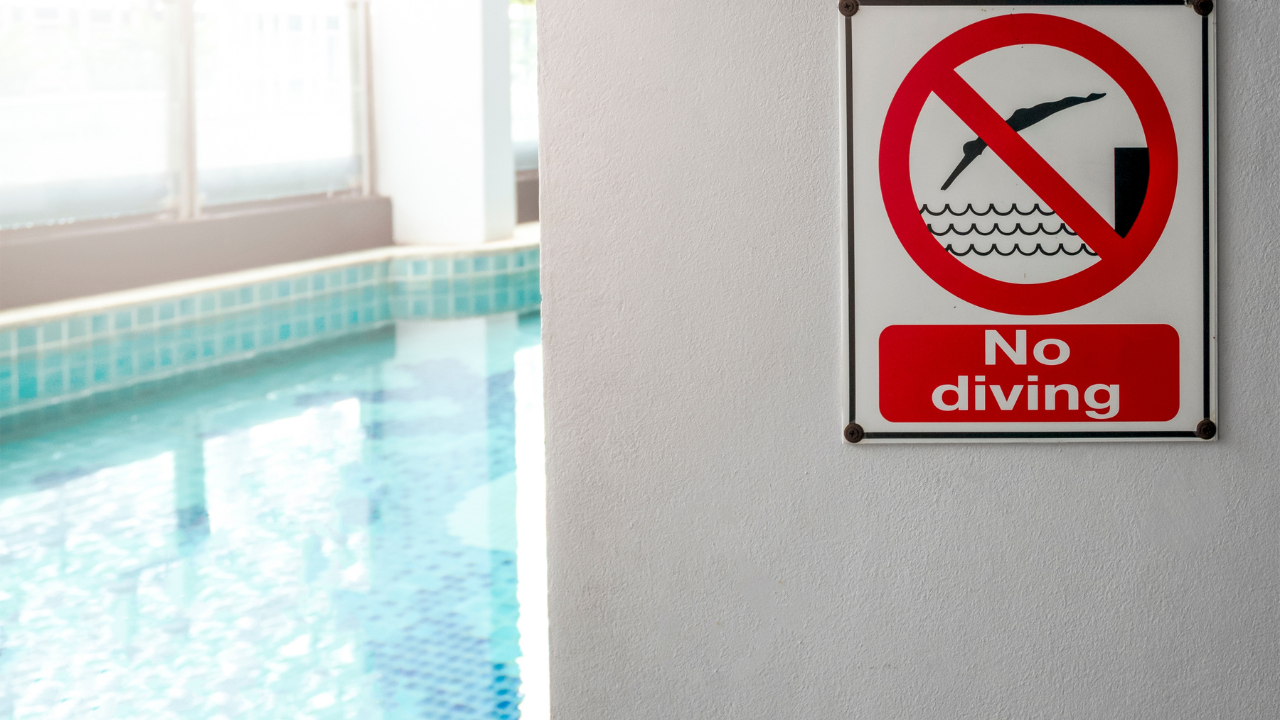
It’s always a good idea to emphasise a short list of non-negotiable safety rules to prevent avoidable accidents. This includes no running on wet decks, no diving into shallow water, no pushing, and no rough play near the edge.

Write out the children’s water safety rules in plain language so they stick: feet stay where you can touch unless an adult says otherwise, and always ask before getting in.

Older children need these water safety rules too — they tend to overestimate their swimming skills and underestimate how quickly shallow water becomes deep.

Skip breath-holding games entirely. Competitions to stay under the longest are a genuine hazard, because a swimmer can lose consciousness silently and drowning incidents occur quickly with no visible struggle.

Keep everyone clear of pool drains and suction outlets too, and flag any broken drain covers to pool management.

3. Know the difference between toys and life jackets

Floaties, inflatable toys and pool noodles are exactly that — toys. They slip off, deflate, and tip over, and should never be treated as safety devices or as a reason to relax supervision.

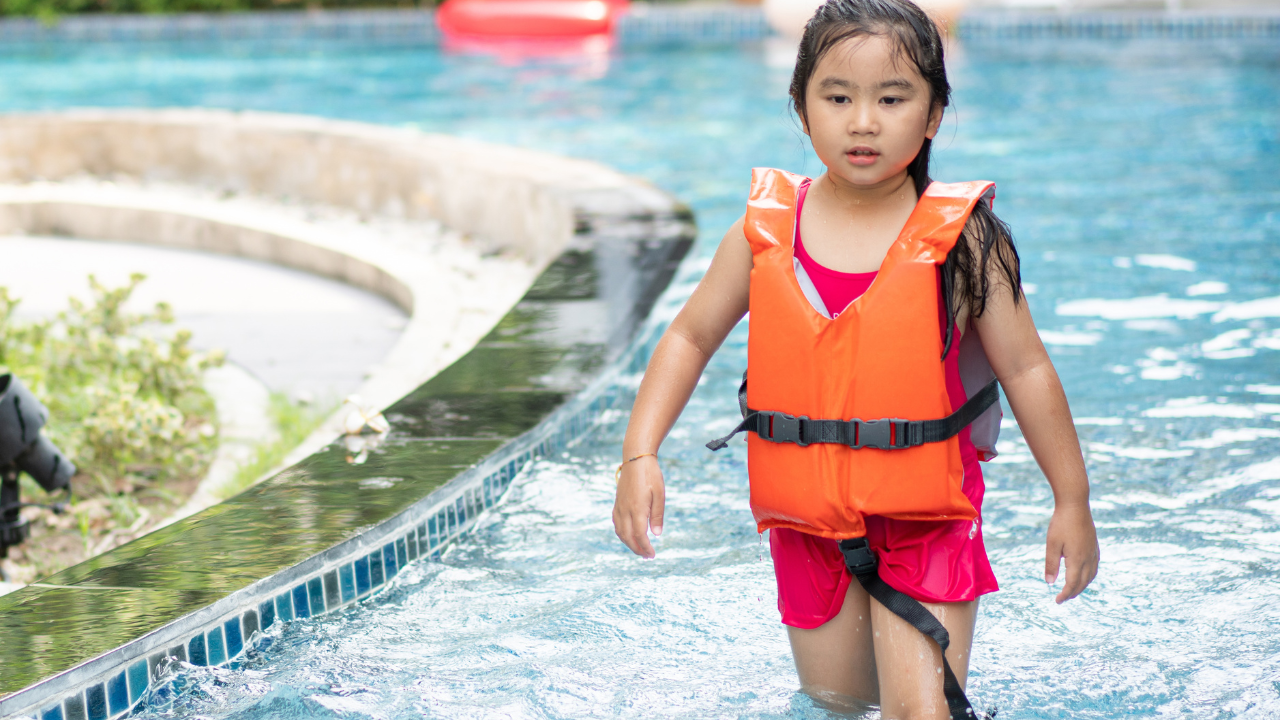
A life jacket is different. Look for one that is coast guard approved or carries equivalent certification, and choose it by weight and chest size rather than age.

The fit test is simple: with the jacket fastened, lift gently at the shoulders. If it rides up over the chin or ears, it’s too big.

Children should wear life jackets whenever they’re on or near open water — kayaking, dragon boat sessions, island ferries, chalet outings by the sea.

Always treat life jackets and other flotation devices as one layer of protection alongside supervision and skills, never a substitute.
4. Swim with a buddy in designated areas

Never swim alone. The buddy system works because someone notices immediately and responds quickly.

Stay within designated areas and roped-off swimming areas, follow posted signs, and choose lifeguarded spots over unsupervised ones.

Also check the weather and water conditions before getting in. Rain and thunder can build quickly, so get everyone out at the first sign of lightning.

In open water — a beach, lake, or river — check the depth and enter feet first into anything unfamiliar, since divingheadfirst into unfamiliar territory is how spinal injuries happen.

Understanding what to do if you get caught in a rip current is also important.

If a rip current ever pulls you from shore, don’t fight it. Stay calm, float, or tread water. Swim parallel to the shore until the pull eases, then angle back in while waving for help.

And leave alcohol until after the swimming — it impairs judgement and coordination, which may increase the risk of accidents.

5. Supervise children actively, not casually

Active adult supervision prevents drowning incidents better than any equipment. A child in trouble usually makes no noise at all, and it can happen in shallow water while other adults are metres away.

The most practical approach is to designate one adult as the water watcher. Rotate every 15 to 20 minutes so attention stays sharp, and hand over by communicating clearly rather than assuming someone has taken over.

During the watch session, always stay alert, avoid distractions, and keep young children and inexperienced swimmers within arm’s reach.

Teach children the other half of this. They should shout for an adult the moment someone looks like they’re struggling, and reach out or throw rather than jump in — a towel or float works, but going in does not.

At a condo or private pool, use the self-latching gates to prevent unsupervised access, and keep toys out of the water to stop toddlers from leaning in after them.

6. Learn first aid and simple rescue skills

Emergency services can take a few minutes to arrive, and those minutes matter.

Knowing CPR and basic first aid means an adult can do something practical in that window, and staying calm enough to give clear instructions while someone else calls 995 matters just as much.

If you’re not a certified lifeguard, the rescue rule is the same one taught to children: reach or throw, don’t go. Stay on land, extend a pole or towel, throw a life ring or anything buoyant, and keep talking so the person knows help is coming.
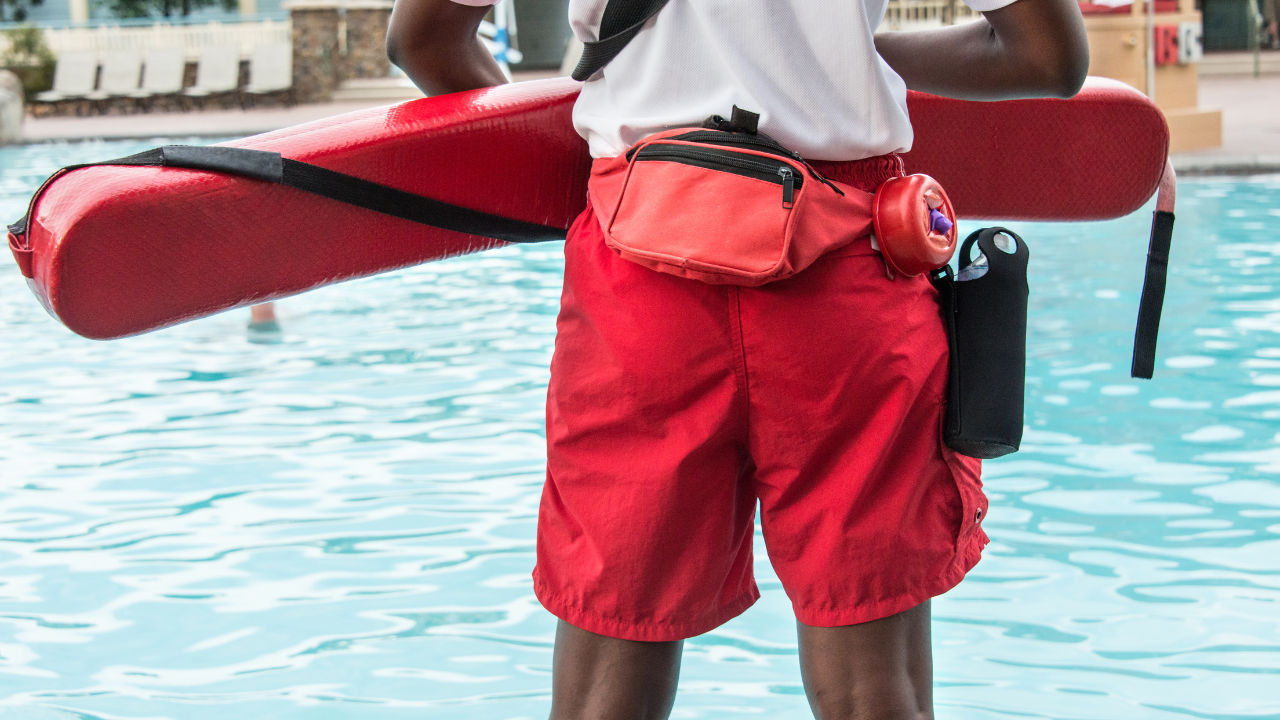
 

Why Having a Lifeguard On Board Makes the Most Difference

1. Trained eyes catch trouble early

Lifeguards are trained to scan continuously and to recognise what distress actually looks like: a head low with the mouth at the waterline, a swimmer bobbing vertically, arms pressing down as though climbing an invisible ladder, and no shouting at all.

Most people don’t know these signs, but lifeguards spend their careers watching for them.

They also read the swimming pool itself: where the floor drops away, where crowding creates blind spots, where water conditions call for a closer watch. Much of the job is about early intervention!

A Singapore Medical Journal study of Civil Defence Force ambulance records from 2012 to 2014 found that 72% of pool drowning incidents happened in private pools — condos, hotels, and landed homes — most with no lifeguard present. Bystander CPR was also far more likely to happen when a lifeguard was present.

That’s what lifeguard services for a condo pool, hotel, or private event really buy: trained attention that doesn’t lapse.

2. A faster, more skilled response when seconds count

When something does go wrong, training decides the outcome.

Lifeguards who are trained in a lifesaving course and hold qualifications in water rescue, CPR, and first aid, will know how to handle emergency situations. Skills like rope rescue, water rescue, non-contact tow rescue, and resuscitation can turn a dangerous situation into a managed one.

Equipment matters too. Alongside standard lifebuoys, remote-controlled lifebuoys can now reach a casualty faster than a swimming rescuer.

A trained lifeguard will also clear the pool and call emergency services while the rescue is happening rather than after it.
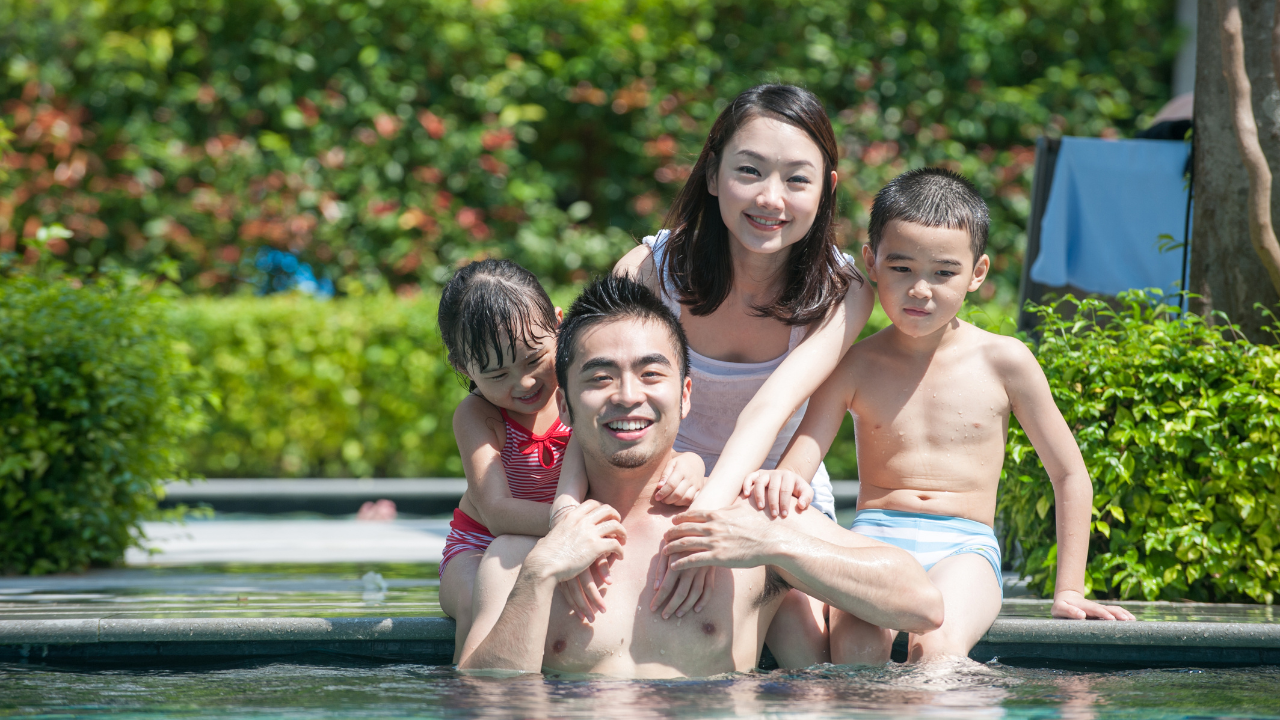
3. Rules get enforced easier

Anyone who has been to or supervised a kids’ pool party knows the feeling of spending the whole afternoon saying no.

A lifeguard takes that on — stopping rough play, keeping jumpers out of shallow water, moving inexperienced swimmers away from the deep end, and discouraging unsafe use of inflatable toys.

That frees parents to actually be in the water with their kids. You should still stay close, because a lifeguard supplements your supervision rather than replacing it.

But there’s a real difference between watching your child and policing a crowd.

4. Weaker swimmers gain confidence faster

Qualified instructors and lifeguards do complementary jobs: instructors teach technique and survival skills, while lifeguards hold the wider environment steady so those skills can be tested safely.

That matters most for nervous beginners, older family members, and adults finally learning to swim.

Knowing someone trained is watching makes people willing to try things just beyond their current ability, which is how water confidence grows.

Children pick it up by observation too, copying the buddy system and rule-following behaviour they see around them.

Alternatively, you can go for private swimming lessons in your own condo pool to remove the crowds entirely!
 

Layered Water Safety for Singapore Families

The most reliable approach to family water safety isn’t one big precaution. It’s three important layers that rarely fail at the same time: skills, habits, and trained supervision.

Two reminders keep those layers in place. Before settling in at any pool, spend thirty seconds orienting yourself:

  • Note where the floor drops off

  • Read the depth markings

  • Find the rescue equipment

  • Check whether a lifeguard is on duty

  • Agree on the water watcher before anyone gets in, not after

At outdoor pools and beaches, hydration and sun protection are part of safety, not comfort — the midday sun drains energy quickly, and a tired swimmer is a less capable one.

When you’re hosting, whether that’s a birthday party at the condo pool or a chalet weekend, a lifeguard for a few hours means every adult can enjoy the day rather than one of them carrying the responsibility for everyone’s kids.


Learn to Stay Safe in the Water With Swimwerks

Staying safe in water comes down to the right skills, the right habits, and the right people watching. Swimwerks brings all three together as a one-stop aquatic hub, from learn-to-swim programmes for every age and comfort level to certified lifeguards for pools, facilities and events across Singapore.

Whether you’re signing up your child for a first lesson, learning to swim yourself, arranging coverage for a condo pool or looking at lifesaving training, there’s a starting point that fits your needs.

Our coaches are certified under the National Registry of Coaches, and lifeguards by recognised bodies including the Singapore Lifesaving Society, with training in water rescue, CPR, and first aid.

Have a question about which class suits your family, or need a lifeguard for a specific date and venue? WhatsApp usand we’ll point you in the right direction!

Every family here can enjoy the water safely. All it takes is just a little preparation and some help so you don’t have to do the watching alone.


Table of Contents

Why Pool Etiquette Matters For Beginner Swimmers

Swimming pool etiquette exists for one simple reason: pools are shared spaces.

A public pool in Singapore’s hot weather can see numerous visitors pass through in a single day, and each one affects the water quality, safety, and general swimming experience for everyone else.

Following basic swimming pool safety rules and general swimming rules — like showering first, choosing the right lane, or supervising your kids — helps create a safe and respectful environment where families, kids, and the elderly can all comfortably share the swimming pool area.

This matters just as much in Singapore’s condos and private pools as it does in ActiveSG complexes.

Without a lifeguard posted at every corner, pool users often rely on each other’s consideration and common sense for pool safety.

Learning proper pool etiquette early doesn’t just help avoid accidents — it helps maintain the pool’s cleanliness and turns every trip to the pool into a more pleasant experience for everyone involved.


Swimming Etiquette Do’s and Don’ts Everyone Should Know

Follow Hygiene And Health Rules at the Pool

1. Shower before entering the pool

Showering before entering the pool is one of the simplest things you can do for the right swimming pool hygiene, and it’s a standard requirement at ActiveSG swimming complexes and most public pools in Singapore.

A proper rinse with shower gel removes sweat, sunscreen, and other contaminants before they end up in the water, which in turn helps the pool maintain proper water chemistry and lowers the risk of recreational water illnesses.

It’s a quick step, but it makes a noticeable difference to the pool’s cleanliness for every person who comes after you.

2. Wear appropriate swimwear and use swim diapers

Most pools require appropriate swimwear for safety reasons, such as proper swimwear made from snug-fitting nylon or lycra.

Be sure to avoid wearing anything made of cotton, as it can get heavy and even interfere with pool filtration systems.

For infants and toddlers, regular diapers are usually prohibited in pools because they are not water‑resistant and can leak, introducing other contaminants into the water.

Instead, use water‑resistant swim diapers that can help keep the pool clean and comply with hygiene expectations for small children.

3. Know when to skip a swim (and other health habits)

If you have a cold, an open wound, or a contagious illness, it’s best to sit this swim out. And the same goes for anyone experiencing diarrhoea and an upset stomach to avoid contamination.

It’s also wise to avoid swimming on a very full or completely empty stomach, and to stay out of the water if you’re feeling dizzy or faint, as these conditions can make it harder to stay safe.

Also, take regular bathroom breaks, avoid swallowing pool water and leave the pool immediately if you suddenly feel unwell.

These small habits are all part of practising appropriate health hygiene at the pool, protecting both you and everyone else around you.

Practise Safe Movement and Supervision Around the Pool

4. Walk carefully on wet or slippery surfaces

Running is one of the fastest ways to get hurt at a pool. Wet surfaces around the pool deck dramatically increase the risk of falls, especially near shallow areas, steps, and shower stalls.

That’s why you should always walk, never run, on the pool deck, and keep the pathways clear of towels, bags, and slippers.

Wearing swimming shoes can also help reduce slipping, especially in hot weather when you rush to avoid the heat — these habits can go a long way to preventing accidents!

5. Respect lifeguards, posted rules, and emergency procedures

Lifeguards and pool staff members are there to manage pool safety and crowd flow, so it’s worth following their instructions promptly.

Most pools display clear pool rules: no diving into shallow areas, no rough play, and no glass bottles or containers on the pool deck. These rules increase safety by protecting pool users from avoidable injuries.

Guidance linked to the International Life Saving Federation stresses checking the water depth before diving, and only using diving boards or designated areas if you’re a confident, capable swimmer.

It’s also worth knowing where emergency equipment like life rings and rescue poles is kept, and learning basic CPR, just in case.

6. Supervise children and use flotation aids correctly

Small children should always be within arm’s reach of a supervising adult — a rule reflected in ActiveSG’s own pool regulations, which require children aged six and under to stay within arm’s reach of an adult at all times.

It helps to designate one sober “water watcher” who isn’t distracted by phones or conversations.

Also, keep in mind that inflatable toys and arm floats aren’t reliable safety devices; weak swimmers should rely on flotation devices like a properly-fitted, approved life jacket instead.

If your child is new to the water, structured kids swimming classes can help them build genuine water confidence and safety awareness well beyond what floaties provide.


Share Lanes and Space with Other Swimmers

7. Choose the right lane and match your swimming pace

Most pools mark their swimming lanes by pace — usually slow, medium, and fast — to keep lap swimming organised and collision-free.

Before jumping in, take a moment to watch the swimmers already in a lane and pick one that matches your swimming pace.

Beginners and slower swimmers are often better off in a slower lane where they can pause at the wall without disrupting faster swimmers. It’s a small decision that saves everyone a lot of frustration.

Additionally, those who are not proficient at swimming should generally stick to areas where the water only reaches their belly.

If you’re returning to swimming after years away often find that structured adult swimming classes help build both the pace and the confidence needed to hold your own in a lap lane.

8. Practise circle swimming and safe overtaking

When three or more swimmers share a lane, proper pool etiquette calls for circle swimming: everyone swims in a counterclockwise loop, keeping to the right side of the lane on both the way up and back.

If you need to overtake a slow swimmer, a light tap on their foot signals your intention to pass. There’s no need for them to stop, just to ease toward the lane line.

Try to keep a sufficient distance from other swimmers rather than swimming right on someone’s heels. This respects their personal space and helps avoid accidental kicks or collisions.

9. Return equipment and rest without blocking others

If you’re resting mid-set, tuck into the corner of the lane near the wall rather than lingering in the middle, so other swimmers can turn safely at the next wall.

Once you’re done with kickboards, pull buoys, or noodles, return them to their storage area instead of leaving them floating in the lane, where they can become obstacles for fellow swimmers.

A quick, friendly word to your lanemates when joining or changing pace is simple, considerate behaviour that keeps the whole lane a respectful environment.


Be Respectful in Shared Spaces

10. Be considerate of others in shared spaces

Excessive splashing, rough play, and loud noise might seem harmless, but they can easily disturb other swimmers, particularly small children, beginners, or anyone simply trying to relax.

That’s why you should keep horseplay to a minimum and be mindful of how close you are to people who are resting or swimming laps nearby.

If someone else’s behaviour feels unsafe, it’s better to flag it to a pool staff member than to confront them directly — especially in a crowded public pool!


Good pool habits become second nature once you’ve practised them a few times

Before your next swim, run through a quick mental checklist:

  • Have you showered and rinsed off properly?

  • Are you and your kids in appropriate swimwear?

  • Have you checked which lane or area suits your swimming pace today?

  • If you’re supervising someone — a child, a nervous beginner, or a friend who can’t swim yet — have you agreed on where they’ll stay and who’s watching?

If you’re still building confidence in the water, there’s no shame in starting slow: stick to shallow areas, use the buddy system, always enter feet first rather than diving into the unknown, and build up to lap swimming as your comfort grows.

None of these habits happen overnight, and that’s perfectly normal. Most confident swimmers today started out exactly where you are.

Joining a well-run lesson can also help you understand how your swimming pool complies with safety guidelines and etiquette expectations, so the rules feel like second nature rather than a list to memorise.


Your Journey to Becoming a Confident Swimmer Starts at Swimwerks

Swimwerks offers guided lessons designed to help both kids and adults in Singapore build real skills and water safety awareness at their own pace.

For those who never quite got comfortable in the water, or who want a more private, pressure-free setting, female swimming classes and private swimming lessons offer a more personalised way to learn proper technique, lane etiquette, and pool safety without feeling rushed or self-conscious.

Our instructors can also help you get familiar with your specific pool environment, whether that’s a condo pool or an ActiveSG complex, so the rules and routines feel less like a checklist and more like an enjoyable experience.

Got questions about which class fits you best, or want to check pool schedules near you?

Reach out to our team on WhatsApp — we’re happy to help you find the right fit and get you started on safer, more confident swimming!

FAQ

If your child will be swimming at ActiveSG pools or participating in MOE school programs, look for an instructor registered with NROC. For private lessons at condominiums, an AUSTSWIM certification is a good sign. Both of these indicate that the instructor has undergone rigorous training. You can also check our certification comparison guide for more details.

It’s important to ask to see their certification, whether it’s NROC, AUSTSWIM, SSI, or STA, along with a valid first aid certificate. A trustworthy school will display these credentials openly and should readily provide this information.

Be wary of an instructor who yells at a student who’s having a hard time instead of adapting their teaching style. If they avoid discussing their qualifications or teach the same way to every student regardless of their needs. Remember, confidence is great, but patience is vital. For more tips, check out our guide: What to Look for in a Swim Instructor: A Parent’s Guide

Both qualities are important, but they serve different purposes. Experience helps with technical skills, while passion keeps students engaged, especially when learning gets tough. Ideally, choose an instructor who has both.

Yes, some instructors transition to coaching when they want to focus on helping swimmers improve their performance rather than just teaching basic water safety skills. For more information, check out our guide on the differences between swim instructors and swim coaches.

Enquiry Form