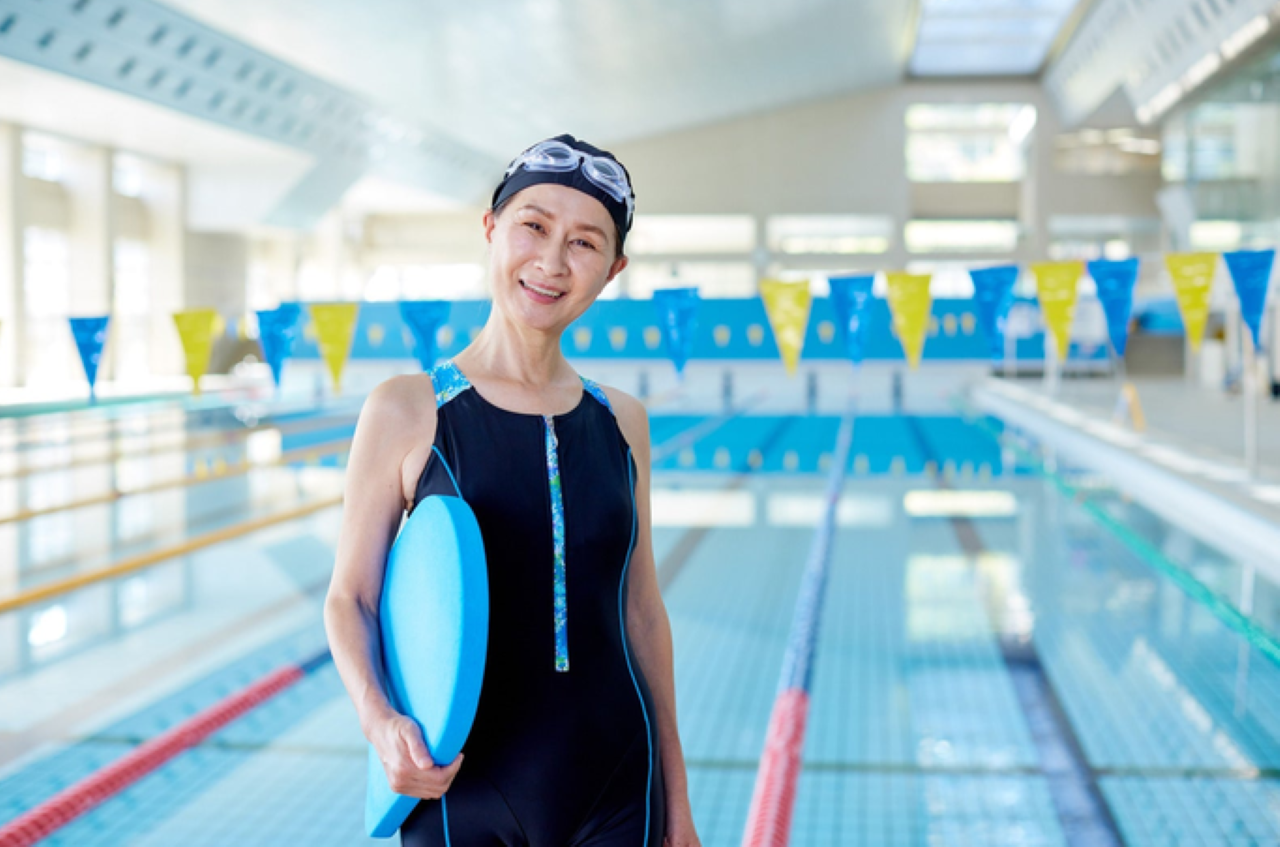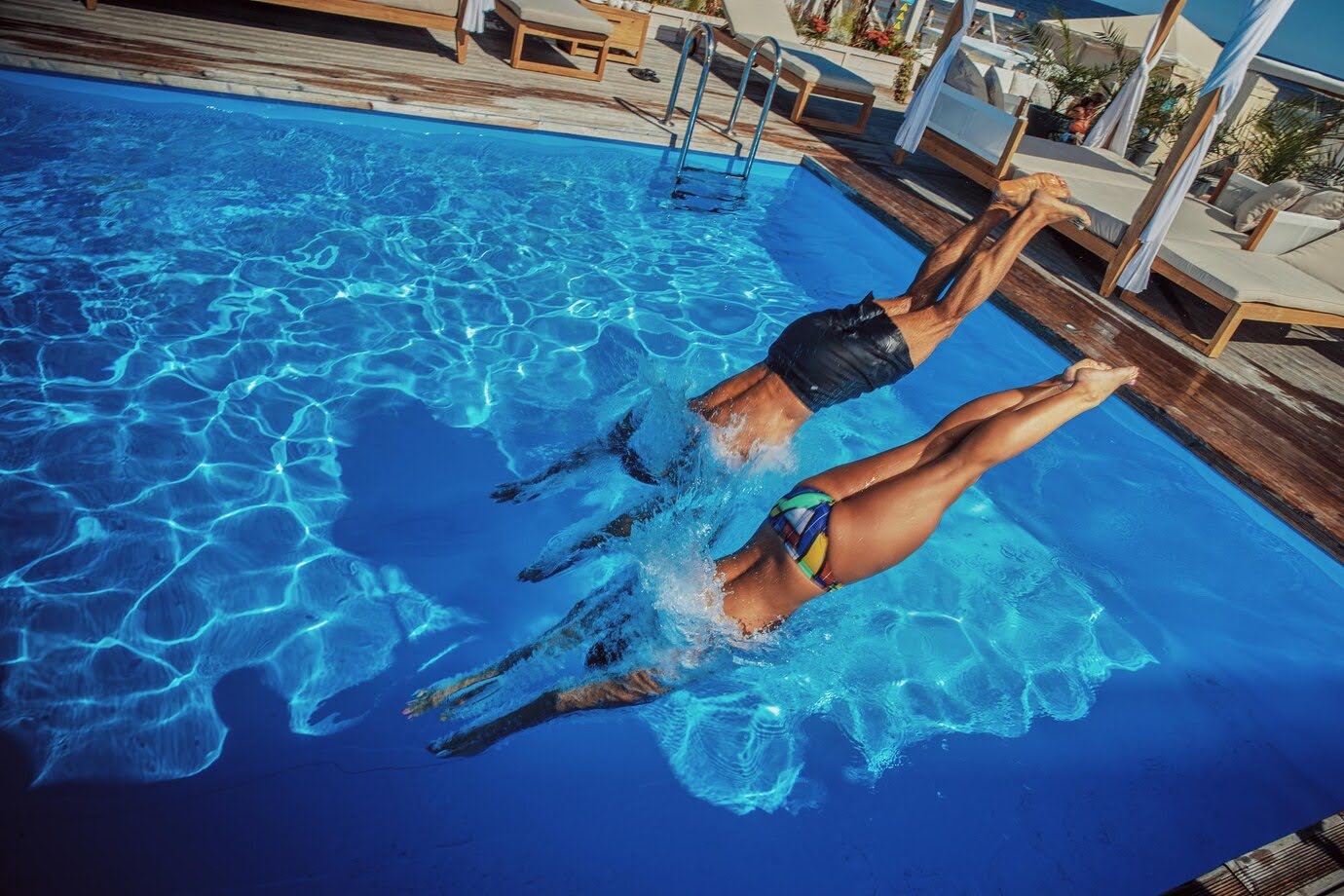

Swimming pool etiquette exists for one simple reason: pools are shared spaces.
A public pool in Singapore’s hot weather can see numerous visitors pass through in a single day, and each one affects the water quality, safety, and general swimming experience for everyone else.
Following basic swimming pool safety rules and general swimming rules — like showering first, choosing the right lane, or supervising your kids — helps create a safe and respectful environment where families, kids, and the elderly can all comfortably share the swimming pool area.
This matters just as much in Singapore’s condos and private pools as it does in ActiveSG complexes.
Without a lifeguard posted at every corner, pool users often rely on each other’s consideration and common sense for pool safety.
Learning proper pool etiquette early doesn’t just help avoid accidents — it helps maintain the pool’s cleanliness and turns every trip to the pool into a more pleasant experience for everyone involved.
Showering before entering the pool is one of the simplest things you can do for the right swimming pool hygiene, and it’s a standard requirement at ActiveSG swimming complexes and most public pools in Singapore.
A proper rinse with shower gel removes sweat, sunscreen, and other contaminants before they end up in the water, which in turn helps the pool maintain proper water chemistry and lowers the risk of recreational water illnesses.
It’s a quick step, but it makes a noticeable difference to the pool’s cleanliness for every person who comes after you.
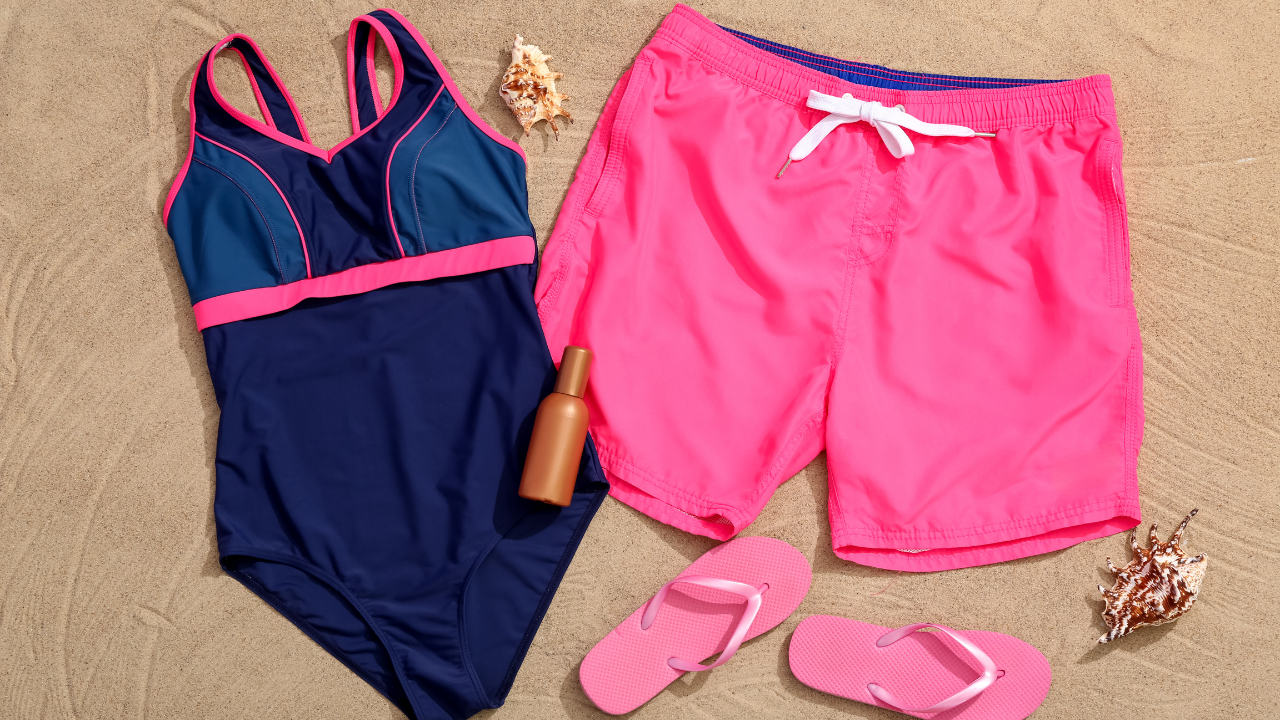
Most pools require appropriate swimwear for safety reasons, such as proper swimwear made from snug-fitting nylon or lycra.
Be sure to avoid wearing anything made of cotton, as it can get heavy and even interfere with pool filtration systems.
For infants and toddlers, regular diapers are usually prohibited in pools because they are not water‑resistant and can leak, introducing other contaminants into the water.
Instead, use water‑resistant swim diapers that can help keep the pool clean and comply with hygiene expectations for small children.
If you have a cold, an open wound, or a contagious illness, it’s best to sit this swim out. And the same goes for anyone experiencing diarrhoea and an upset stomach to avoid contamination.
It’s also wise to avoid swimming on a very full or completely empty stomach, and to stay out of the water if you’re feeling dizzy or faint, as these conditions can make it harder to stay safe.
Also, take regular bathroom breaks, avoid swallowing pool water and leave the pool immediately if you suddenly feel unwell.
These small habits are all part of practising appropriate health hygiene at the pool, protecting both you and everyone else around you.
Running is one of the fastest ways to get hurt at a pool. Wet surfaces around the pool deck dramatically increase the risk of falls, especially near shallow areas, steps, and shower stalls.
That’s why you should always walk, never run, on the pool deck, and keep the pathways clear of towels, bags, and slippers.
Wearing swimming shoes can also help reduce slipping, especially in hot weather when you rush to avoid the heat — these habits can go a long way to preventing accidents!
Most pools display clear pool rules: no diving into shallow areas, no rough play, and no glass bottles or containers on the pool deck. These rules increase safety by protecting pool users from avoidable injuries.
Guidance linked to the International Life Saving Federation stresses checking the water depth before diving, and only using diving boards or designated areas if you’re a confident, capable swimmer.
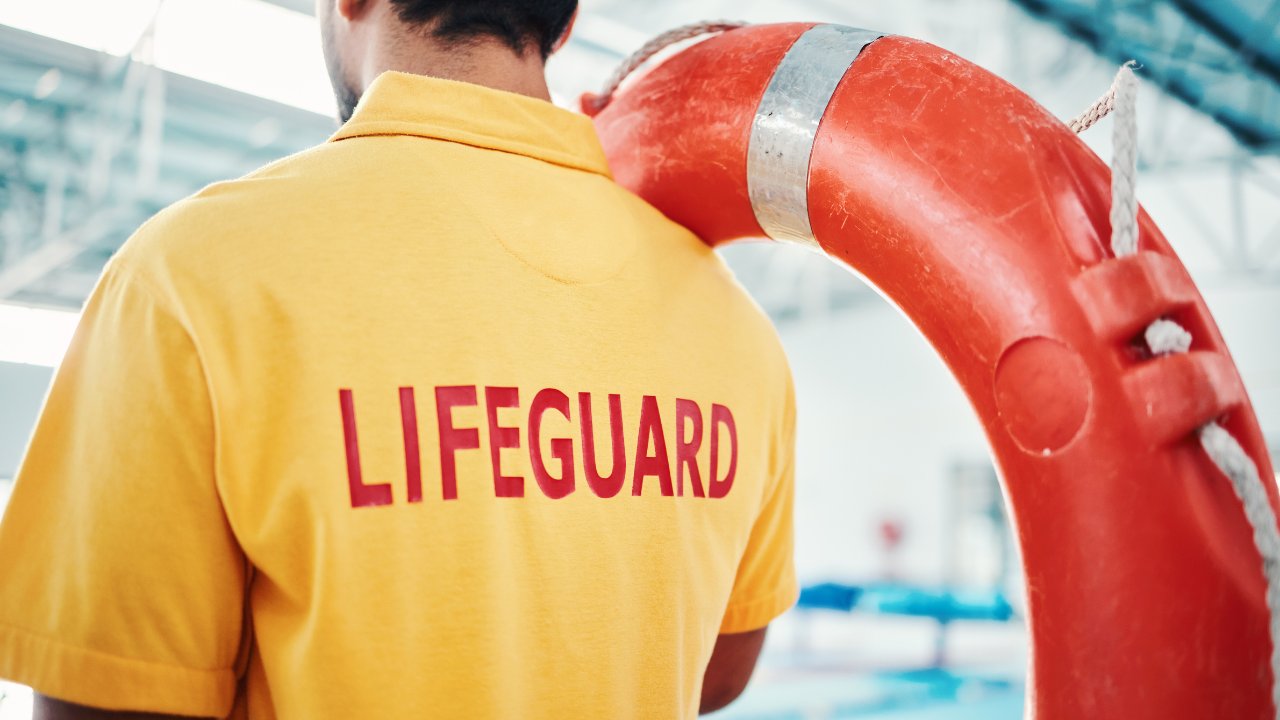
It’s also worth knowing where emergency equipment like life rings and rescue poles is kept, and learning basic CPR, just in case.
Small children should always be within arm’s reach of a supervising adult — a rule reflected in ActiveSG’s own pool regulations, which require children aged six and under to stay within arm’s reach of an adult at all times.
It helps to designate one sober “water watcher” who isn’t distracted by phones or conversations.
Also, keep in mind that inflatable toys and arm floats aren’t reliable safety devices; weak swimmers should rely on flotation devices like a properly-fitted, approved life jacket instead.
If your child is new to the water, structured kids swimming classes can help them build genuine water confidence and safety awareness well beyond what floaties provide.
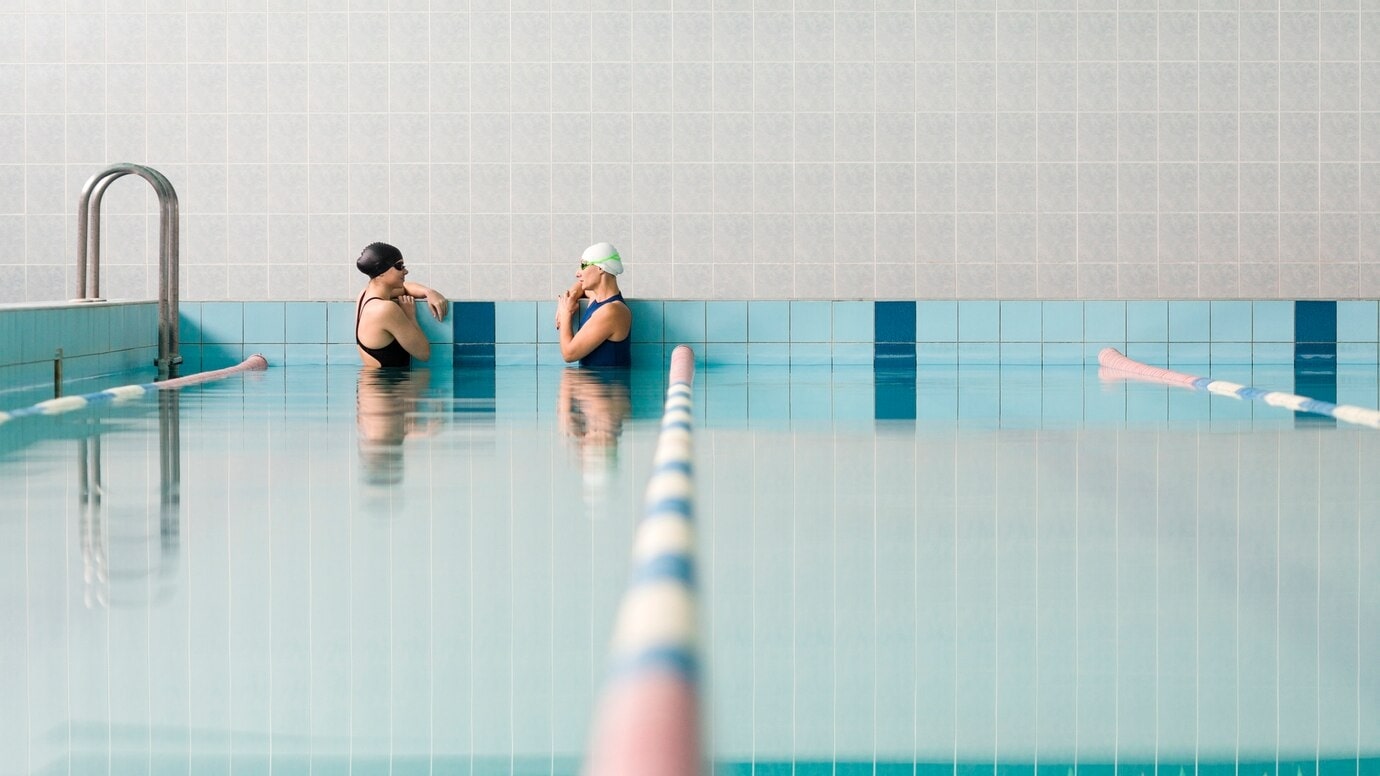
Most pools mark their swimming lanes by pace — usually slow, medium, and fast — to keep lap swimming organised and collision-free.
Before jumping in, take a moment to watch the swimmers already in a lane and pick one that matches your swimming pace.
Beginners and slower swimmers are often better off in a slower lane where they can pause at the wall without disrupting faster swimmers. It’s a small decision that saves everyone a lot of frustration.
Additionally, those who are not proficient at swimming should generally stick to areas where the water only reaches their belly.
If you’re returning to swimming after years away often find that structured adult swimming classes help build both the pace and the confidence needed to hold your own in a lap lane.
When three or more swimmers share a lane, proper pool etiquette calls for circle swimming: everyone swims in a counterclockwise loop, keeping to the right side of the lane on both the way up and back.
If you need to overtake a slow swimmer, a light tap on their foot signals your intention to pass. There’s no need for them to stop, just to ease toward the lane line.
Try to keep a sufficient distance from other swimmers rather than swimming right on someone’s heels. This respects their personal space and helps avoid accidental kicks or collisions.
If you’re resting mid-set, tuck into the corner of the lane near the wall rather than lingering in the middle, so other swimmers can turn safely at the next wall.
Once you’re done with kickboards, pull buoys, or noodles, return them to their storage area instead of leaving them floating in the lane, where they can become obstacles for fellow swimmers.
A quick, friendly word to your lanemates when joining or changing pace is simple, considerate behaviour that keeps the whole lane a respectful environment.
Excessive splashing, rough play, and loud noise might seem harmless, but they can easily disturb other swimmers, particularly small children, beginners, or anyone simply trying to relax.
That’s why you should keep horseplay to a minimum and be mindful of how close you are to people who are resting or swimming laps nearby.
If someone else’s behaviour feels unsafe, it’s better to flag it to a pool staff member than to confront them directly — especially in a crowded public pool!
Before your next swim, run through a quick mental checklist:
Have you showered and rinsed off properly?
Are you and your kids in appropriate swimwear?
Have you checked which lane or area suits your swimming pace today?
If you’re supervising someone — a child, a nervous beginner, or a friend who can’t swim yet — have you agreed on where they’ll stay and who’s watching?
If you’re still building confidence in the water, there’s no shame in starting slow: stick to shallow areas, use the buddy system, always enter feet first rather than diving into the unknown, and build up to lap swimming as your comfort grows.
None of these habits happen overnight, and that’s perfectly normal. Most confident swimmers today started out exactly where you are.
Joining a well-run lesson can also help you understand how your swimming pool complies with safety guidelines and etiquette expectations, so the rules feel like second nature rather than a list to memorise.
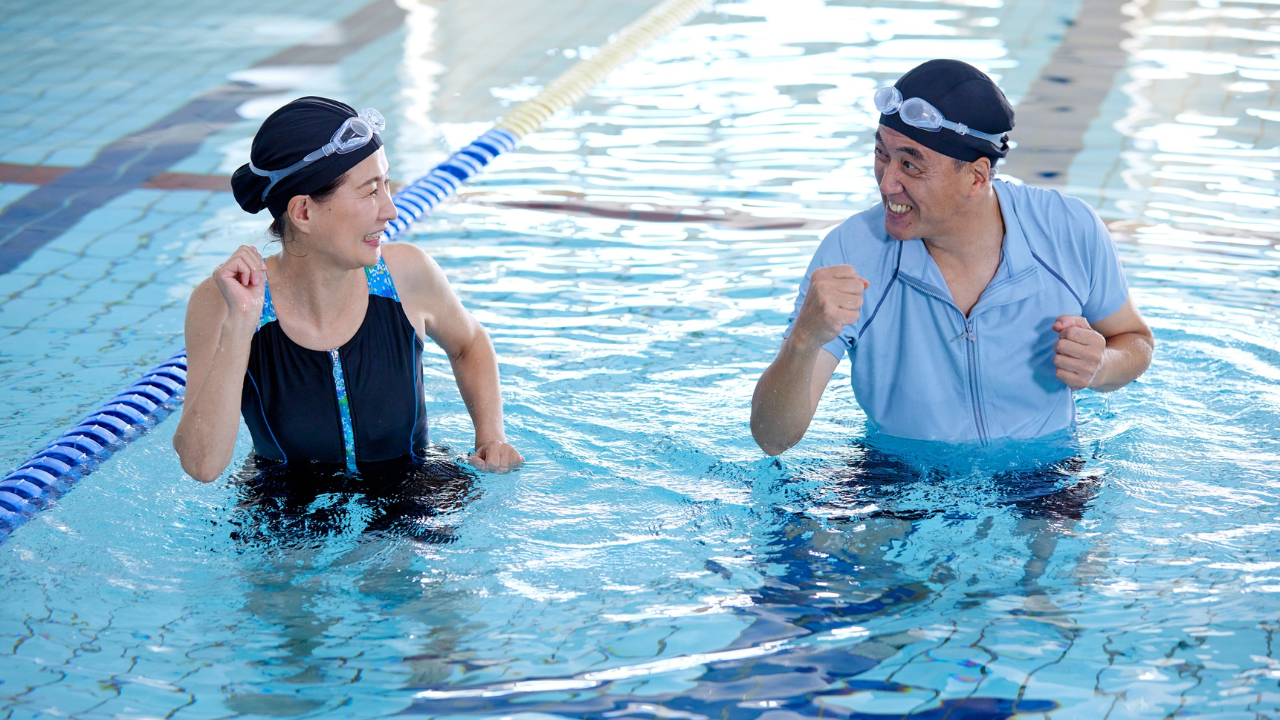
Swimwerks offers guided lessons designed to help both kids and adults in Singapore build real skills and water safety awareness at their own pace.
For those who never quite got comfortable in the water, or who want a more private, pressure-free setting, female swimming classes and private swimming lessons offer a more personalised way to learn proper technique, lane etiquette, and pool safety without feeling rushed or self-conscious.
Our instructors can also help you get familiar with your specific pool environment, whether that’s a condo pool or an ActiveSG complex, so the rules and routines feel less like a checklist and more like an enjoyable experience.
Got questions about which class fits you best, or want to check pool schedules near you?
Reach out to our team on WhatsApp — we’re happy to help you find the right fit and get you started on safer, more confident swimming!